IISPPR

Climate Action
Sneha Majhi

Carbon Accounting: Measuring and Managing Emissions for a Sustainable Future

This post clearly outlines a methodology for carbon accounting to support effective calculation and control of greenhouse gas emissions by organizations. Firstly, it defines the organizational boundaries and identifies sources of emissions in three scopes: direct, indirect, and supply chain emissions. The methodology focuses substantially on systematic data collection as well as relevant application of emission factors to all entities with consequent calculation of the total carbon footprint in CO2e. Additionally, it requires that reduction targets are brought down, continued tracking and reporting, as well as stakeholder engagement, meaning that companies need to meet their compliance in addition to becoming better at enhancing their efforts towards sustainability. By so doing, companies will be able to make systematic contributions to mitigating climate change while furthering environmental responsibility.

Read More »
Blog
Theresa Jose

Delhi’s Monsoon: An Urban Nightmare

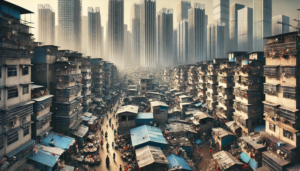
By Theresa Jose Delhi is a very densely populated city and there has been a growth of informal settlements throughout the city which has led to many urban challenges including waterlogging. These challenges mainly arise due to poor urban planning by the civic authorities which is creating a nightmare for the people living in the city. Especially in the areas which are the main hubs of the UPSC coaching centres like Karol Bagh, Patel Nagar and Rajinder Nagar which have recently been in the media for the concerns raised by the residents and people on the issues of exposed open wires, overflow of manholes and sewage and the problem of high rents but with poor facilities. This lack of quality living conditions has increased the demand for affordable study spaces for students, resulting in many libraries being set up in basements (Bhandari, 2024). So when the new centre of Rau’s IAS was established in the Old Rajinder Nagar on the request of the students they also set up a library that was illegally operating in the basement of the building which was supposed to be utilised for parking and storage (Menon, 2024).  On July 27th night, heavy rainfall led to waterlogging in Old Rajinder Nagar. The high force of water led to it entering the basement of  Rau’s IAS Study Circle in Old Rajinder Nagar and this led to flooding in the library which had 30 students in it but only 27 managed to escape or were rescued by the fire department, National Disaster Response Force (NDRF) and Delhi Police while the 3 UPSC aspirants who were trapped lost their lives (Tewari, 2024; ET Online, 2024). The gross negligence by the MCD officials was brought to light by the revelation that a month before this tragic incident a student from the coaching centre filed a complaint regarding the illegally operating library in the basement but the authorities did not take any appropriate actions (Herald, 2024). The negligence of the MCD officials was strongly reprimanded by the Delhi High Court  (The Hindu Bureau, 2024). In the aftermath, immediate actions were taken by the Municipal Corporation of Delhi (MCD) including shutting off at least 13 coaching centres which were violating the rules under the Delhi Master Plan 2021 which mandates statutory clearance to use the basement and was strongly against using the basement for commercial purposes (Sharma, 2024; Tewari, 2024).  In Old Rajinder Nagar the property owners construct buildings which cover the drains which is also a common issue in Delhi as revealed by the MCD’s investigation. This obstruction by buildings on the drains has made it difficult to clean the drains and also affects the flow of stormwater which results in waterlogging. So there is a need to implement legislative frameworks like the ‘Storm Water and Drainage Act for the NCT of Delhi’ which emphasizes preventing any future illegal barrier on the city’s drainage system (Press Trust of India & Business Standard, 2024). The Coaching Centre tragedy is alleged to be mainly due to the inefficient drainage system and the violation of the building laws but this is not an isolated incident. 27 people’s lives were claimed due to electrocution past year as per the reports  (Ujwal Jalali et al., 2024). On July 22nd, a UPSC aspirant was electrocuted when he slipped while walking on a waterlogged street of Patel Nagar and held on to an iron gate which was in contact with an exposed motor wire (Tewari, 2024). The city also witnessed an incident where two fires broke out in Mukherjee Nagar last year which resulted in 61 students of a caching centre injured, the latter incident led to the fire department conducting a survey which showed that 461 coaching centres did not have any proper safety measures (Tewari, 2024). All this put the city’s civic body authorities in the spotlight for their failure to address the urban crisis that has been affecting the city’s residents and their lack of action against the violation of building regulations.  The solution to the recent waterlogging in the capital city when there are heavy downpours is not just by desilting the drains which is just a temporary solution but also through revamping the city’s drainage system which could help prevent the recurring waterlogging in the long term. However, the construction of a new drainage system that has to be suitable for the densely populated and unplanned colonies of Delhi could be a task that needs at least 4 years to be fulfilled and large investments (Mathur, 2024). When it comes to funds required to implement the new project the city authorities don’t have enough because of the freebie culture that is supported by the government which keeps the revamping of the city’s infrastructure on hold and this action of the government was strongly reprimanded by the Delhi High Court. Presently the existing drainage system of the city faces problems like outdated design with the sewerage system being combined and the inability of the system to handle heavy rains as the existing one’s designed to only handle 50 mm of rainwater within 24 hours in a city which has witnessed a downpour of 228 mm of rainwater in a day which underscores the immediate need to design a drainage system which could help handle more water and lessen the vulnerability of the city to the monsoon waterlogging crisis (Ujwal Jalali et al., 2024). The sewerage system is of two types, combined and separate sewerage with the former which carry both the stormwater and wastewater together while the latter carries both separately. Currently, separate sewage systems are in demand as they help in controlling the stormwater separately, prevent combined sewer overflow and stop sewage from getting into the environment. This could help in avoiding flooding during heavy downpours in low-lying areas, even after this flooding occurs it would just be rainwater and not sewage waste which could spread diseases (Stauffer & Spuhler, n.d.). However, there is a downside to the construction of a separate

Read More »
Blog
Theresa Jose

The Unseen Victims: Environmental Casteism and India’s Marginalized

By Theresa Jose India is united by its diverse cultures, languages and religions but divided by a caste system. This is a deeply ingrained social structure that determines occupation, status, and access to resources. While the Brahmins occupy the highest position, Dalits (formerly known as untouchables) occupy the lowest and they face great discrimination due to their position in the social hierarchy. Consequently, the ramifications of caste extend beyond the socioeconomic disparity but also to how citizens experience environmental challenges like climate change and natural disasters. The marginalised communities are disproportionately impacted by environmental action while the discrimination and exploitation they face due to environmental injustices are overlooked by mainstream society. This harsh reality of the marginalised communities especially the Dalits in India gives rise to the phenomenon of Environmental Casteism which addresses the intersection between caste-based discrimination and environmental injustice. Environmental injustice perpetuates unequal access to clean water and air which results in heightened exposure to pollution and other hazards by the marginalised communities compared to the higher castes within the society. A major factor contributing to these injustices is spatial segregation. The marginalised groups are often relegated to the peripheral spaces away from the affluent neighbourhoods and they are exposed to the harmful effects of industries, factories and landfills where they reside and work. Consequently, they bear a disproportionate burden of health risks and life-threatening conditions.  Despite the illegality of caste-based discrimination, it persists in many parts of the country. The marginalised individuals remain oppressed with them being forced into dehumanising jobs like manual scavenging. Despite the skills, they face obstacles to alternate jobs due to caste prejudice. This points out the inability of the marginalised section to escape the caste system and the immediate need for a societal transformation (Taylor, 2022). Manual scavenging exemplifies environmental casteism as it addresses the intersection between caste-based discrimination and environmental injustice. Despite being illegal still, people born into a lower caste were forced to do this dehumanising work. The Nara-Maveshi movement held in the 1950s and 1960s was the Chamar caste’s protest to the traditionally assigned jobs which were dehumanising tasks. However, their wish for alternate jobs where met with opposition, including economic sanctions and denial of employment opportunities (Sharma, 2022). Consequently, this has led to perpetual poverty, poor health and social exclusion for Dalits whose issues remain invisible to the mainstream society. To break free from this cycle of oppression there is a need for a transformative shift in societal attitudes and action. The marginalised communities have long struggled to get equal access to clean water. The Mahad Satyagraha of 1927, led by Dr. B.R Ambedkar was one of the earliest civil rights movements. Dalits gathered at the Chavdar Lake in Mahad, Maharashtra to assert their moral and legal right to access water and challenge the discriminatory norms practised by the higher caste. Despite the victory of the Mahad struggle the present reality shows that the marginalized communities still face difficulties in securing equal water access (Kashwan, 2024). In North Gujarat, the marginalised communities have historically relied heavily on groundwater for their needs. However, the construction of tube wells that are often built on private lands owned by upper castes has exacerbated water scarcity. These communities, unable to own land struggle for groundwater as it is now in the control of the upper caste who are known as “Water Lords”. This shows the reality of how social structure continues to dictate access to fundamental resources and perpetuate inequalities and exploitation. The very source that sustains life becomes a tool of oppression which fuels environmental injustice (Kashwan, 2024).  As discussed earlier, deep-rooted caste-based discrimination points out that Environmental casteism remains a prominent issue in our country. This phenomenon mainly arises due to the absence of Dalits in Environmental studies as the majority of the researchers and scholars are from the upper castes which leads to them overlooking the experiences and perspectives of the marginalized  (Waghre, 2023). Srilata Sicar, in a lecture on Environmental casteism, points out that people when discussing environmental policies and caste justice in India ignore the impact of the caste system which is to be considered while addressing the environmental issues. She also explains the idea of Bourgeoisie environmentalism, a phenomenon where the upper class are concerned about the environment and tries to practice eco-conscious activities but tends to overlook the setting up of businesses and industries, the major polluters which exacerbate this issue. The marginalised communities are disproportionately affected by disasters due to the lack of well-planned infrastructures which result in loss of houses, livelihoods and even loss of lives (Chhaya, 2024). Ignoring the caste perspectives’ interaction with the environment exacerbates structural inequalities as marginalized communities are denied their fundamental right to access resources. According to Suprakash Majumdar, a Pulitzer-Grantee Journalist, climate-related disasters get categorized based on who gets affected by it, if it is the low-income areas and people from low-castes who get affected it may be overlooked but if it impacts the upper-castes then it is declared as a disaster by the government. The triangle model of the caste system is still practised when it comes to urban planning, the Brahmins reside in the safest area and the lower castes live in the periphery of the city which makes them the most vulnerable to climate destruction (Chhaya, 2024). For instance, the cyclone that struck Orissa and Tamil Nadu impacted the landless Dalits, and farm workers the most as these people were the ones who were living on the outskirts of the villages, and were not provided with relief materials which shows how caste can influence even the distribution of compensations (“Environmental Cateism”, 2021). The lack of representation of Dalits in influencing environmental policies exacerbates their issues with their needs being overlooked by the government. So it is important to acknowledge the intersectionality of caste-based discrimination and environmental injustices so that it could lead to a more equitable society.  The influence of caste in ecological experiences was first recognised by Gati Omvedt an anti-caste scholar,

Read More »
Blog
Theresa Jose

Protection of Right to Life and Livelihood: The Landmark Judgement of Olga Tellis Case

By Theresa Jose Introduction India, saw large migrations from villages to cities by poor people seeking better job opportunities, these cities do not provide affordable housing for these groups and they are forced to settle on pavements. The main reason for the lack of housing is the lack of strict laws for the state to provide affordable housing to the poor which results in the creation of slums and the residents live every day in fear of eviction by the authorities as this could result in homelessness and deprivation of their livelihood (Thara et al., 2022). It is important to realize that these dwellers are the pillar of the city as they contribute immensely to the development of the cities (Tellis, 2015), despite the important role they play in the city, they are pushed out of the city when their labour is not necessary anymore. This paper will look into the case of Olga Tellis V Bombay Municipal Corporation, 1985 and the way the judiciary took action on the lives of the inhabitants of pavement and slum dwellings. The main issues raised due to the process of forced eviction without prior notice and rehabilitation are the violations of Articles 19(1)(e) which provides the right to reside anywhere within the country, 19(1)(g) which provides the right to practice any profession, occupation, trade or business and Article 21 which talks about the protection of life and personal liberty which shall not be deprived for any individual except according to the procedure established by the law (Olga Tellis et al. V Bombay Municipal Corporation et al.,1985). These Fundamental Rights will be analyzed through this paper in relation to the landmark Olga Tellis case (1985) to understand the rulings put forward by the court on the pavement and slum dwellers living on public lands and how the court viewed the right to life and livelihood of the slum dwellers through this case and how it impacted the future cases related to the informal settlers and the need for rehabilitation or resettlement.  Case Law and Analysis  The State of Maharashtra and the Bombay Municipal Corporation (BMC) in 1981 jointly imposed an order on the pavement dwellers to evict them by force from Bombay and drive them out to their place of origin or force them to move anywhere outskirts of the city (Olga Tellis et al. V Bombay Municipal Corporation et al.,1985). The municipal commissioner of the BMC under section 314 of the Mumbai Municipal Corporation Act, 1888 has the power to remove the encroachers without prior notice (Garg & Maheswari, 2020).  So the announcement of eviction of these pavement dwellers was justified by the CM of Maharashtra giving the reason that the government did not want these dwellers to live in this inhumane condition during the monsoon even though these dwellers have been residing here for many years, but as the government failed to give them rehabilitation this justification was not expected by the pavement and slum dwellers and was met with resistance. This led to Olga Tellis, a journalist filing a Public Interest Litigation (PIL) on the issue of the forced eviction of the pavement dwellers conducted by the BMC, this is the 1985 landmark Supreme Court judgement, Olga Tellis Vs Bombay Municipal Corporation (BMC) (Olga Tellis et al. V Bombay Municipal Corporation et al.,1985; Thara et al., 2022).  The petitioners were Olga Tellis and others who resided in these dwellings and the respondents were the BMC and others, who initiated the demolishing of these dwellings, this action was challenged by the petitioners as a violation of Fundamental Rights Articles 19 and 21 of the Constitution of India, a deprivation of their livelihood and right to life. Olga Tellis in a 2016 interview gave her views on the injustices faced by the slum dwellers of Bombay, she explained that “These dwellers were refugees of bad economic policies as it gave importance to the development of urban areas rather than the villages that were neglected which result in these people coming to Bombay looking for work” (Olga Tellis, 2016). As these people were not able to afford better housing facilities they settled in these pavements and slums near their workplace as it saves time and cost of commuting. The arguments given by the petitioners were that eviction and demolition of these dwellings lead to deprivation of their livelihood as they will lose their jobs when they are forced to be evicted from the pavements and live far from their workplace which is a means to survival (Olga Tellis et al. V Bombay Municipal Corporation et al.,1985). They also argued that without protecting their right to livelihood, protection of their right to life is futile (Garg & Maheswari, 2020). The respondents argued that these pavement dwellers have no right to reside on public property and if the BMC want to evict them they can do it as the petitioners are encroaching on the public space which is a violation of the municipal laws. The respondents argued that the fundamental right article 19(1)(e) should not be used as a permit to trespass on public spaces (Naukarkar, 2021). The BMC’s eviction process was carried out without providing prior notice or any proper rehabilitation to the pavement dwellers which deprived them of their right to livelihood which led to the endangerment of their right to life. The pavement dwellers’ rights under Article 21 were violated as they were by force evicted from their settlements where they were living for a long time without providing any kind of resettlement, this is a violation of the right to livelihood and life (Naukarkar, 2021). Also, their rights under articles 19(1)(e) and 19(1)(g) were also violated through this process of eviction by the authorities as their freedom to reside and do the job which has been their means of sustenance was taken away from them. The judgement of the Olga Tellis case led to expanding the ambit of the right to life under Article 21 by adding the right to livelihood

Read More »
No Poverty
VASUNDHRA B

Changing scenario of poverty centric policies in India

By Vasundhra B A Review of India’s Policy Initiatives and Research Gaps in Achieving Sustainable Development Goal 1 Sustainable Development Goal 1 (SDG 1) aims to “end poverty in all its forms everywhere” by 2030. The objective of SDG 1 is to eradicate extreme poverty, reduce poverty by at least half, implement social protection systems, ensure equal rights to economic resources, and build resilience to environmental, economic, and social disasters. In view of that, India has taken various policy initiatives to address SDG 1. The National Institution for Transforming India (NITI Aayog) is monitoring the progress of SDG 1 in the country. Some of the major initiatives include the Rashtriya Swasthya Bima Yojana (RSBY), a health insurance scheme for the poor. The government has also focused on slum rehabilitation and crop diversification for poverty alleviation. Notable case studies include the Pradhan Mantri Jan Dhan Yojana (PMJDY), which has significantly increased financial inclusion by opening millions of bank accounts for the unbanked, and the Direct Benefit Transfer (DBT) scheme, which aims to reduce leakages in welfare schemes by transferring subsidies directly to the beneficiaries’ bank accounts. However, challenges such as lack of awareness, poor implementation, delayed wage payments, and limited access to healthcare have hindered the success of these initiatives. The review highlights the need for better monitoring, improving infrastructure, market linkages, and financial support for sustainable livelihood programs. Additionally, it emphasizes the importance of research on income diversification strategies, improving the quality of veterinary services, and addressing discomfort and distress during slum rehabilitation.  Historical Context of Poverty Alleviation in India  Following its 1947 declaration of independence, India encountered formidable economic obstacles. The economy of the nation was undeveloped, with most of the advancements occurring in the robust cities. For 83% of those living in rural areas, agriculture was their primary source of income, although productivity was low (Thakur et al., 2021). Growing populations combined with the shortage of alternative jobs led to rural residents facing long-term unemployment and low incomes. Since 80% of India’s deprived lived in rural areas, the government realised the need to tackle this issue, thus in 1952, India introduced Community Development as its first initiative to reduce poverty (Thakur et al., 2021). This initiative marked the beginning of systematic efforts to uplift the rural poor. As a result, more focused job initiatives were introduced in the 1980s. In an effort to facilitate more jobs for the underemployed and unemployed in rural areas, the National Rural Employment Programme (NREP) was launched in 1980. It aimed to produce 300–400 million man-days of work in one year’s period of time while fostering the development of useful communal resources. The Rural Landless Employment Guarantee Programme (RLEGP) was also introduced in 1983. Its main objectives were to give every landless rural household member 100 days of work and to build durable assets that would support rural infrastructure. In 1989, these initiatives were combined to become the Jawahar Rozgar Yojana (JRY). JRY prioritised freed bonded labourers, Scheduled Castes and Scheduled Tribes, and the population below the poverty line. The program established a target of 30% employment for women and prioritised unskilled labour over mechanised jobs to expand employment prospects. The program involved Panchayat Raj Institutions in the construction of assets based on rural needs and functioned primarily during lean crop seasons.  Later, a part of JRY was combined with the Employment Assurance Scheme (EAS), which was implemented in 1,775 backward blocks, in 1993–1994. For 100 days of unskilled labour during low agricultural seasons, the EAS paid minimum wage. However, many of these programs prioritised wage employment as opposed to asset building and thus led to poorly planned, short-term development. The first program was the government’s answer to increasing urban poverty at the time that was partly caused by rural-urban migration in 1985. This meant a significant shift in strategies for poverty reduction because it recognized that being poor is not only confined to rural areas. As per Mahatma Gandhi National Rural Employment Guarantee Act (MGNREGA) of 2005, every rural household with adult members volunteering for unskilled manual work has the opportunity to be guaranteed 100 wage days within a financial year. It marked a substantial change in approach from earlier welfare-oriented programmes that focused on employment rights instead of welfare needs. In recent years India has adopted a more holistic set of policies towards reducing poverty that is consistent with Sustainable Development Goals (SDGs) as enshrined by the UN. Under this premise, the current Indian government’s policy also features targeted anti-poverty schemes implemented with a view to achieving full employment; which are assessed through national SDGs target indices and sustaining robust GDP growth rates. Employment, social security and meeting basic needs constitute three main kinds of existing government action today. The National Food Security Mission, Ayushman Bharat, Deendayal Upadhyay Grameen Kaushalya Yojana, Pradhan Mantri Jeevan Jyoti Beema Yojana (PMJJBY), National Rural Livelihood Mission, National Social Assistance Programmes (NSAP), and Pradhan Mantri Awas Yojana (PMAY) are some of the notable initiatives. In brief, the chapter discusses India’s poverty alleviation efforts since 1947. It brings focus on the transition from projects with a rural focus to more all-encompassing approaches, such as urban poverty initiatives. The Community Development program of 1952, the many employment schemes of the 1980s, and the MGNREGA of 2005 are considered significant milestones. Current strategies address employment, social security, and basic services through a number of programs that are in line with the UN Sustainable Development Goals.  Poverty alleviation programmes from 1950s to 1970s  India’s post-independence era witnessed the introduction of the Community Development Programme in 1952, marking the start of the country’s serious actions to reduce poverty. At the time, 80% of India’s impoverished lived in rural areas, so this project represented the first organised attempt to combat poverty (Thakur et al., 2021). Accepting the salient assumptions of the regulated system, during the first fifteen years of its premise, the economy appeared optimistic, as highlighted by an average absolute GDP per annum growth rate of 4.1%. While this did

Read More »
Miscellaneous
VASUNDHRA B

China’s Gaokao: Lessons for Indian Education System

By Vasundhra B    What is the Gaokao exam and what are the recent changes in the exam?  In 1952, China introduced its national university entrance exam known as Gaokao, which is one of the important standardized tests for university admission. This is a nine-hour long exam that usually goes on for two to three days covering different subjects such as literature, mathematics and a foreign language among others. In different provinces, the structure of the exam may differ although what is important here is that it is likely that an individual’s score can determine which university he or she will be placed into or even his/her future career. However, despite being merit-based in this densely populated country, gaokao has received criticism because it puts too much pressure on students’ mental health besides turning education into mere preparation for exams only. Among other reform initiatives are experimental programs that allow multiple retakes of subject papers as well as incorporating high school records into admissions. Nonetheless, parents still make considerable sacrifices in order to enable their children to prepare adequately for these tests because gaokao remains deeply entrenched within Chinese culture. There has also been a booming business around examination materials and tutoring institutions resulting from its pervasive effect; thus Gaokao serves crucial functions concerning educational access and socioeconomic mobility within modern-day china.   The new reforms to the Gaokao examination are substantial changes that were launched in Zhejiang and Shanghai in 2014, which will be applied across the nation by 2022. Among these changes is removing strict boundaries between science and arts, giving students an opportunity to select three optional subjects together with basic subjects, permitting multiple testing opportunities for certain subjects, and introducing a new system of grading incorporating raw marks and “ grade points” for electives. The aim of these reforms is to lessen the pressure and make them correspond more to students’ preferences and branches of study they take at university.   Gaokao exam’s Impact on Chinese Society The Gaokao exam has a high impact on Chinese society which greatly determines how one enhances their social status, finds employment or goes to school. With China’s fast modernization, its importance has increased, causing more and more strain on students, teachers and their parents. Once again, this exam emphasizes memorization to such an extent that there have been arguments as to whether it has an impact on imagination and originality. The Gaokao is a major force in shaping modern youth culture, regional disparities and class structure which stem from the ages-old imperial examination system. It serves to illustrate the relationship between heritage, meritocracy and social progress in contemporary China although there has been criticism against it as well as attempts at reforms. India’s Entrance Exams and Gaokao – a comparative study  There are big variances in approaches to university acceptance between India’s entry exam framework and that of China as evinced by noteworthy differences in both. For example, India’s policy is built around various distinct tests that are discipline-specific or university based such as NEET for medicine, JEE for engineering, CUET for central universities, CLAT for law and individual university entrance tests like DUET. This form of decentralisation allows much room for institutional independence alongside promoting various styles of teaching yet leads to disparities regarding the quality of education as well as putting more pressure on students to do well in many exams. On the other hand, China’s Gaokao happens to be a standardised nationwide exam which accounts most postsecondary enrolments therefore being simpler but sometimes curtails schools’ capacity to offer specialised courses and individuals’ ability or desire to go deeper into anything they are interested in. Whereas multiple tests under the Indian system may favour those who concentrate on particular areas or seek extra coaching sessions, broadness of the Gaokao depicts essentially what China realises as an all-round education. Both timing and frequency are not the same. Most Indian entrance tests take place annually while some admit candidates multiple times, Gaokao on the other hand occurs within a year giving students limited chances of retaking it again. The stakes as regards these examinations differ with Gaokao being the only determinant factor for university placements in China while JEE and NEET stand at the same level with respect to particular fields of study among others in India. The scale of such examinations is different too with Gaokao being such a huge nation-wide event that temporarily disrupts China’s social order while Indian entrance exams happen over a long time period and across states. Nevertheless, these two systems are similar in that they have cultural relevance as well as social dynamics that make exam performance capable of determining students’ lifetime paths causing stress to many families. Some critics from both sides say that this kind of system could lead to a focus on rote memorization at the expense of imagination and critical thinking thus prompting arguments about their integrity and efficiency in choosing the most suitable candidates for advanced education.    In conclusion, differences and similarities exist between two education systems that exhibit certain complexities due to political decisions made domestically regarding education, local cultural beliefs about learning, global ideologies on educational justice and human capital formation and lastly, social pressures related to gender roles.   What India Can Learn from the Gaokao    In order to enhance its own entrance to higher education, India can learn several lessons from the Chinese Gaokao system. For example, it is likely that combining all the entrance examinations would significantly reduce student strain and logistics. Currently, an Indian student has to go through the complicated maze of exams such as JEE, NEET, CLAT among many smaller tests set by different universities which is draining them emotionally as well as in terms of time. Therefore, a centralised method like that of Gaokao could help in offering a more equal and fairer procedure for higher education admission worldwide. Furthermore, India may also look at entrance assessments with greater diversity of themes like that found in

Read More »
Miscellaneous
VASUNDHRA B

China’s School System and Sports Development: China’s Plan for More Athletes

By Vasundhra B Introduction: China’s Plan for More Athletes  Chinese athletes have made remarkable achievements in the Olympics, improving their competitive edge over time after returning to compete from 1984 onward. Because of this, there are several reasons why China can generate more sportsmen; therefore, the factors contributing to this trend will be discussed in this paper. Initially, China’s sport growth was rooted upon international standing and national pride. Subsequently, purposefully targeted programs were launched by government officials aimed at nurturing athletic talents at all levels across the country. To say the least, one of the major reasons for China’s successful sports is government support for sport development as can be seen from its Five-Year Plans. The most interesting aspect of this plan is that it focuses on both winning and social welfare in general within the period of 2021 to 2025. Apart from that, it has also promised finances totaling 23.3 billion yuan (around 3.2 billion dollars) towards renovating or building 2,000 exercise centres by 2025 which represent up to 38.5 percent of its overall budget. Primary events for instance the 2008 Beijing Olympic Games and Summer Universiade in Shanghai show how funds have been distributed among amateur and professional sports throughout the country. The comprehensive strategy therefore helps for China to be considered as a leading global power in sports while promoting health through physical exercise programs within an approximated number of 600,000 rural localities distributed throughout its territory. Here’s a table showing China’s Olympic performance over the last 10 years:  YEAR  TOTAL PARTICIPANTS  GOLD  SILVER BRONZE 2012 396 38 31 22 2016 412 51 21 18 2020 406 38 32 18 2024 388 40 27 24 Finding Young Sports Talents in China The method used by China to identify young athletes is both thorough and systematic. Initially, the country has a plethora of sports institutions and specialised academies that are aimed at spotting and nurturing young athletes (Tan & Green, 2008). In addition, such institutions apply scientific approaches and standardised tests in evaluating physical characteristics, skills, and potential in different kinds of sports. Furthermore, in China, talent identification sometimes begins as early as kindergarten when physical education instructors are trained to recognize young promising sportsmen (Hong, 2004). Besides, the government has implemented initiatives like “Million Students Searching for Sports Talents” which aim to screen out many children with regards to athletic abilities (Wei et al., 2011). Therefore with time when these talents are recognized they are usually removed from their families to state-run training centres for intensive training. Additionally, it employs a pyramidal structure whereby it starts off with many young people who want to be athletes but end up only with outstanding individuals after a process of exhaustive selection (Houlihan & Green, 2008). There has been a shift in recent reforms towards combining sporting training with educational pursuits in view of earlier criticisms aimed at the system (Li et al., 2014). Consequently, promising young sportsmen and women can advance to state or national squads where they would acquire more specific training and resources. Finally, although this system has generated many Olympians, it has also attracted condemnation because of its severity and stress on children (Hong, 2004). Balancing Schoolwork and Sports The comprehensive approach of China towards sports development has been focused on harmonising academic pursuit with sports training. It has been suggested that incorporating sports into school systems can be useful because regular exercise can lead to better cognitive outcomes and improved academic performance (Zhang et al., 2023; Zheng et al., 2023). However, there have been criticisms against specialised training programs in these institutions for placing excessive demands on young athletes (Hong, 2004). To address this concern, recent reforms have aimed at striking a balance between sport development and education (Li et al., 2014). In the opinion of the Chinese government concerning sports public health, an essential aspect is education for athletes who perform well in class and (Dai & Menhas, 2020; Zhengtian & Shuting, 2024). Results and Future of China’s School Sports Program Today, given China’s aim of integrating sports into education, there has been a rise in significance accorded to sports. This has led to an amalgamation of both physiological enhancement and academic attainment which looks promising for the coming years. Some of these include “Sunshine Sports Programme”, “Specialised Football Programme” and “Campus Basketball Promotion Scheme .” Consequently, these programs have contributed to a more vibrant sporting culture within Chinese communities thereby increasing their physical fitness levels as well as cognitive functioning abilities (Zhang et al., 2023; Zheng et al., 2023). Another example is contests such as ‘National Youth Campus Games ’ or “Sports & Arts ‘2+1’ Project,” which pursue the ethos of holistic education that seeks to enhance global competitiveness in sports (Dai & Menhas, 2020; Zhengtian & Shuting, 2024). There are positive reasons for hope regarding school sport because stadiums indicate much investment in sports infrastructure, though it remains a challenge maintaining a balance between athlete training and academics. Nevertheless, much still needs to be done concerning high-training stressed syndrome which many young athletes suffer from (Hong, 2004; Li et al., 2014). Nonetheless, China’s strong commitment to creating a new generation of multi-sport athletes along with her inventive approaches render it the global champion in blending education with athletics.  To sum up, Chinese policies are intended to bring sports programs back in line with education in an attempt to achieve both sporting triumph and academic success. Comprehensive measures by the Chinese Government such as “Sunshine Sports Program” and dedicated schools for athletes have resulted in improved physical fitness levels and higher intellectual faculties among students. However, there have always been concerns over huge pressures on young athletes which recent reforms have tried addressing. Regardless, China still aims at raising rounded individuals through novel approaches that put it at the forefront of global endeavours for blending sports within educational systems. References  Zhengtian, C., & Shuting, L. (2024). Reform and Optimization of Physical Education Teaching in Guangxi Private Universities During the 14th Five-year

Read More »
Sustainable Cities and Communities
Neal Bharadwaj

The Urban Future with Green Development

Writer: Neal Bharadwaj Sustainable development, one of the lynchpins that have come under the tangent of urban growth, catalyzed by a host of challenges, the larger part of which emanates from rapid urbanization and climate change. Cities, courtesy of their populace that has driven major growth in most countries, have been majorly considered in engaging with SDGs. The paper is going to discuss strategies and solutions while dealing with urban area sustainable development from three dimensions, namely, environmental, economic, and social. It reflects on different ways of planning and developing cities that support the sustainable future, with the city-based case studies of Copenhagen, Curitiba, and Singapore. Introduction  It calls for the building of livable cities that are resilient and supportive of existing and future generations. From reducing carbon emissions to making economies more vital and fostering social equity, it ranges from everything. In this regard, cities such as Copenhagen, Singapore, and many others have led quite a remarkable path in the field of sustainable urbanism, carrying on with important lessons of how the many opposing objectives can be balanced. This article, therefore, discusses some of the central sustainability strategies adopted by these cities and what it means in terms of urban planning and development. Key Strategies and Remedies Talking about sustainable cities, one knows they require nothing less than the best solutions to be put into place with innovation and creativity. These can therefore be elaborated under three broad categorizations: environmental sustainability, economic sustainability, and social sustainability. Environmental Sustainability: In essence, it is on the management of natural resources and reduction in environmental impacts within the city. The ambitious goals set by the city of Copenhagen are to be carbon-neutral no later than 2025, using a mix of variable renewable energy sources, efficient building design, and sustainably managed transport systems. Some of the more basic strategies are: Renewable energy The town invested in renewable energies such as solar, wind, and bioenergy. For example, in the case of Copenhagen, investments were made in wind farms and district heating installations, intending to reduce the consumption of fossil fuel. These support mechanisms by cities can range from the provision of simple green open space, parklands, and urban forestry to supplying green roofs and walls in heat islands, managing storm water, and improving air quality. For instance, Gardens by the Bay in Singapore have been designed to raise biodiversity and improve the quality of life for city dwellers through integrated use of greens. This proves that sustainable mobility—that is cycling, walking, and public transport use—reduces dependence on private mobility and, therefore, emissions. The precedent set by bus rapid transit in Curitiba realized the dream that a well-managed public transport system could offer improvement in mobility in cities at the same time as reducing congestion. Economic Sustainability: Long-term economic growth should also involve little environmental degradation and social exclusion. This might perhaps be realized within cities where there is diversified economic activity, innovation, and smart governance. The key strategies are contained in: Mixed-use development: Residential, business, and industries locate close to each other. This realization allows for local economic development without the necessity for long-distance travels for economic agents. It results in the incentives toward walkability and neighborhood levels of business activities in accordance with the compact city model, such as Barcelona model, for example. Green Economy: Investments in green technologies and industries contribute partly to the goals of the green economy to be attained by creating jobs which trigger economic activities. Cities such as Freiburg in Germany target the aspects of originality, creativity, and through the promotion of renewable energies and building green industries, there is the realization of sustainable economic growth. Mobilization of the required resources and expertise by the governments and businesses that make partnerships with civil societies on sustainable urban projects. The URA in Singapore is working together with the private developers to implement more green building and smart city technologies, which can further strengthen the building of economic resilience. Social Sustainability: Social sustainability means communities that are inclusive, just, and cohesive in their nature. It is catered by giving its basics such as accessibility, social inclusion, and belonging to the same community. Some of the strategies in the same direction include: Affordable housing should, therefore, be socioeconomically diversified in order to avoid segregation in housing and as a way to chip in on social equity. Probably the best example is Vienna’s social housing, which is good quality yet really affordable, ranging across classes from all walks of life. Community Involvement: The participation of residents in decision-making processes engenders social capital and ownership in them. The participatory planning processes of programs and projects in a community help in shaping cities like Porto Alegre, Brazil, which are cohesive and resilient. Public Space that is Inclusive: All designs of the public space consider the factor of access and hence are inclusive for one and all. Interaction amongst people invites themselves to be involved in community building. High Line, New York City-public park built from an elevated rail-is a social space of dynamism, attracts diverse groups and eventually leads to community building.  Conclusion Sustainable development is the complex; burdened process of comprehensive planning and development of urban settlements. Developing cities to be more resilient, liveable, and inclusive is sustainable design in this light. All this explains that, indeed, sustainable urbanism is not an off-the-shelf solution; rather, it requires tailored strategies reflecting local context and needs. Cross-city learning from one another and models of public-private partnership give such pointers to undertake sustainable urban development in the world’s countries. It is that which will mark the need for original thought and increasing cooperation of all toward working for sustainable urban futures. Putting the concept of sustainability into the agendas will smooth the needs of the citizens today and ensure that further generations down the line will be in for a future brighter and safer than at present. Sources: https://kk.sites.itera.dk/apps/kk_pub2/pdf/983_jk1dWBWkPP.pdf https://www.gardensbythebay.com.sg . https://www.sciencedirect.com/science/article/pii/S0921800905002871  https://www.ura.gov.sg             https://www.thehighline.org

Read More »
Decent Work and Economic Growth
Middat Khan

Decent Work and Economic Growth – A Pathway to Sustainable Development

By Middat Khan The Sustainable Development Goals (SDGs), established by the United Nations in 2015, provide a global vision for achieving prosperity, equity and sustainability by 2030 Its goal is to promote inclusive and sustainable economic growth, employment and decent work for all, and to recognize the importance of economic development in reducing poverty and maintaining social stability. . In India, where the economy is diverse and dynamic, achieving SDG 8 is both a challenge and an opportunity.  Understanding SDG 8: Key Objectives and Targets SDG 8 has several key goals and objectives, including promoting sustainable economic growth, ensuring employment products and ensure fair employment for all. The specific goals and targets under SDG 8 are: Target 1: Sustainable Economic Growth Sustain per capita economic growth under national circumstances and aim for at least 7% GDP growth per annum in the least developed countries. Target 2: Diversify, Innovate, and Upgrade for Economic Productivity Achieve higher levels of economic productivity through diversification, technological upgrading, and innovation, particularly in high value added and labour-intensive sectors. Target 3: Promote Policies to Support Job Creation and Growing Enterprises Promote development-oriented policies that support productive activities, decent job creation, entrepreneurship, creativity, and innovation. Encourage the formalization and growth of micro, small, and medium sized enterprises, including through access to financial services. Target 4: Improve Resource Efficiency in Consumption and Production Improve global resource efficiency in consumption and production, aiming to decouple economic growth from environmental degradation by 2030. Target 5: Full Employment and Decent Work with Equal Pay By 2030, achieve full and productive employment and decent work for all, including equal pay for equal value work for both men and women. Target 6: Promote Youth Employment, Education, and Training By 2020, substantially reduce the proportion of youth not in employment, education, or training. Target 7: End Modern Slavery, Trafficking, and Child Labour Take immediate measures to eradicate forced labour, and modern slavery and human trafficking, and secure the prohibition and elimination of the worst forms of child labour. Target 8: Protect Labour Rights and Promote Safe Working Environments Protect labour rights and promote safe working environments, particularly for migrant workers and those in precarious employment. Target 9: Promote Beneficial and Sustainable Tourism By 2030, implement policies to promote sustainable tourism that create jobs and promote local culture and products. Target 10: Universal Access to Banking, Insurance, and Financial Services Strengthen domestic financial institutions to expand access to banking, insurance, and financial services for all. Target 11: Increase Aid for Trade Support Increase Aid for Trade support for developing countries, particularly least developed countries, to enhance trade-related technical help. Target 12: Develop a Global Youth Employment Strategy Develop and operationalize a global strategy for youth employment and implement the Global Jobs Pact of the International Labour Organization. India’s Progress and Challenges in Achieving SDG 8 India’s progress and challenges in achieving SDG 8 India, with its large population and complex economic landscape, faces unique challenges in achieving SDG 8. High levels of performance lawlessness, regional differences in economic growth and the need for skills development are some of the cases. Key Issues However, India has made significant progress through various policies and programs aimed at promoting decent work and sustainable economic growth. Policies and priorities in India support of SDG 8, it is increasing employment in various sectors. The aim of the program is to create a skilled workforce by providing short-term training, emphasis on prior learning (RPL) and specific programs to develop sectors. Key Policies and Programs in India Supporting SDG 8 1.Pradhan Mantri Kaushal Vikas Yojana (PMKVY) Launched: 2015 Status: Continuing Objective: From providing skill development training to the youth of India, raising their employability in various sectors. The program aims to create a skilled workforce by offering short-term training, recognition of prior learning (RPL), and special projects in developing sectors. Impact: As of 2023, PMKVY has trained over 13 million youth across the country in various skills. The scheme has seen an important push toward skill development in emerging sectors as digital technology, healthcare, and engineering. The placement rate for trained candidates stands at around 54%, showing the program’s effectiveness in enhancing employability. Start-Up India Initiative Launched: 2016 Status: Continuing Objective: To promote entrepreneurship and innovation by providing financial support, tax benefits, and to provide simpler rules for startups. The initiative aims to create jobs, promote economic growth, and encourage entrepreneurship across the country. Impact: The Start-Up India project has acknowledged over 100,000 startups since its inception. India has become the third-largest startup ecosystem in the world. In 2022 alone, Indian startups raised around $42 billion in funding. The initiative has also led to the creation of approximately 6.5 lakh jobs directly within the startup ecosystem, according to the Department for Promotion of Industry and Internal Trade (DPIIT). Make in India Reinvigorated: 2014, Status: Continuing with renewed focus Objective: To transform India into a global manufacturing hub by encouraging domestic and international companies to manufacture their products in India. The initiative focuses on creating jobs, enhancing skills, and supporting economic growth in sectors like electronics, textiles, and automobiles. Impact: The manufacturing sector’s contribution to GDP has increased from 15.06% in 2014 to 17.4% in 2023. The initiative has attracted FDI inflows worth $286 billion from 2014 to 2022. Main sectors like electronics, textiles, and automobiles have seen significant growth, with India becoming the second-largest mobile phone manufacturer globally by 2022.   Atmanirbhar Bharat (Self-Reliant India) Launched: 2020 Status: Continue Objective: In response to the economic challenges presented by the COVID-19 pandemic, this initiative aims to make India self-reliant by boosting local production, reducing dependence on imports, and creating jobs. It includes various financial incentives for small and medium enterprises, workers and farmers to promote economic growth and employment. Impact: The Atmanirbhar Bharat initiative has been involved in increasing domestic production, particularly in sectors like healthcare, manufacturing, and MSMEs. Under this initiative, over 10 million MSMEs have benefited from the Emergency Credit Line Guarantee Scheme (ECLGS), leading to the restoration of small

Read More »