
IISPPR

Miscellaneous
VASUNDHRA B

China’s Gaokao: Lessons for Indian Education System

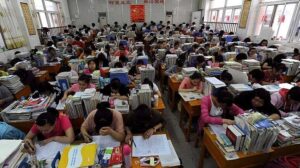
By Vasundhra B    What is the Gaokao exam and what are the recent changes in the exam?  In 1952, China introduced its national university entrance exam known as Gaokao, which is one of the important standardized tests for university admission. This is a nine-hour long exam that usually goes on for two to three days covering different subjects such as literature, mathematics and a foreign language among others. In different provinces, the structure of the exam may differ although what is important here is that it is likely that an individual’s score can determine which university he or she will be placed into or even his/her future career. However, despite being merit-based in this densely populated country, gaokao has received criticism because it puts too much pressure on students’ mental health besides turning education into mere preparation for exams only. Among other reform initiatives are experimental programs that allow multiple retakes of subject papers as well as incorporating high school records into admissions. Nonetheless, parents still make considerable sacrifices in order to enable their children to prepare adequately for these tests because gaokao remains deeply entrenched within Chinese culture. There has also been a booming business around examination materials and tutoring institutions resulting from its pervasive effect; thus Gaokao serves crucial functions concerning educational access and socioeconomic mobility within modern-day china.   The new reforms to the Gaokao examination are substantial changes that were launched in Zhejiang and Shanghai in 2014, which will be applied across the nation by 2022. Among these changes is removing strict boundaries between science and arts, giving students an opportunity to select three optional subjects together with basic subjects, permitting multiple testing opportunities for certain subjects, and introducing a new system of grading incorporating raw marks and “ grade points” for electives. The aim of these reforms is to lessen the pressure and make them correspond more to students’ preferences and branches of study they take at university.   Gaokao exam’s Impact on Chinese Society The Gaokao exam has a high impact on Chinese society which greatly determines how one enhances their social status, finds employment or goes to school. With China’s fast modernization, its importance has increased, causing more and more strain on students, teachers and their parents. Once again, this exam emphasizes memorization to such an extent that there have been arguments as to whether it has an impact on imagination and originality. The Gaokao is a major force in shaping modern youth culture, regional disparities and class structure which stem from the ages-old imperial examination system. It serves to illustrate the relationship between heritage, meritocracy and social progress in contemporary China although there has been criticism against it as well as attempts at reforms. India’s Entrance Exams and Gaokao – a comparative study  There are big variances in approaches to university acceptance between India’s entry exam framework and that of China as evinced by noteworthy differences in both. For example, India’s policy is built around various distinct tests that are discipline-specific or university based such as NEET for medicine, JEE for engineering, CUET for central universities, CLAT for law and individual university entrance tests like DUET. This form of decentralisation allows much room for institutional independence alongside promoting various styles of teaching yet leads to disparities regarding the quality of education as well as putting more pressure on students to do well in many exams. On the other hand, China’s Gaokao happens to be a standardised nationwide exam which accounts most postsecondary enrolments therefore being simpler but sometimes curtails schools’ capacity to offer specialised courses and individuals’ ability or desire to go deeper into anything they are interested in. Whereas multiple tests under the Indian system may favour those who concentrate on particular areas or seek extra coaching sessions, broadness of the Gaokao depicts essentially what China realises as an all-round education. Both timing and frequency are not the same. Most Indian entrance tests take place annually while some admit candidates multiple times, Gaokao on the other hand occurs within a year giving students limited chances of retaking it again. The stakes as regards these examinations differ with Gaokao being the only determinant factor for university placements in China while JEE and NEET stand at the same level with respect to particular fields of study among others in India. The scale of such examinations is different too with Gaokao being such a huge nation-wide event that temporarily disrupts China’s social order while Indian entrance exams happen over a long time period and across states. Nevertheless, these two systems are similar in that they have cultural relevance as well as social dynamics that make exam performance capable of determining students’ lifetime paths causing stress to many families. Some critics from both sides say that this kind of system could lead to a focus on rote memorization at the expense of imagination and critical thinking thus prompting arguments about their integrity and efficiency in choosing the most suitable candidates for advanced education.    In conclusion, differences and similarities exist between two education systems that exhibit certain complexities due to political decisions made domestically regarding education, local cultural beliefs about learning, global ideologies on educational justice and human capital formation and lastly, social pressures related to gender roles.   What India Can Learn from the Gaokao    In order to enhance its own entrance to higher education, India can learn several lessons from the Chinese Gaokao system. For example, it is likely that combining all the entrance examinations would significantly reduce student strain and logistics. Currently, an Indian student has to go through the complicated maze of exams such as JEE, NEET, CLAT among many smaller tests set by different universities which is draining them emotionally as well as in terms of time. Therefore, a centralised method like that of Gaokao could help in offering a more equal and fairer procedure for higher education admission worldwide. Furthermore, India may also look at entrance assessments with greater diversity of themes like that found in

Read More »
Miscellaneous
VASUNDHRA B

China’s School System and Sports Development: China’s Plan for More Athletes

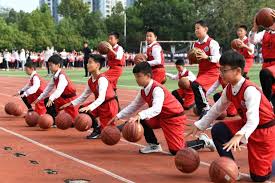
By Vasundhra B Introduction: China’s Plan for More Athletes  Chinese athletes have made remarkable achievements in the Olympics, improving their competitive edge over time after returning to compete from 1984 onward. Because of this, there are several reasons why China can generate more sportsmen; therefore, the factors contributing to this trend will be discussed in this paper. Initially, China’s sport growth was rooted upon international standing and national pride. Subsequently, purposefully targeted programs were launched by government officials aimed at nurturing athletic talents at all levels across the country. To say the least, one of the major reasons for China’s successful sports is government support for sport development as can be seen from its Five-Year Plans. The most interesting aspect of this plan is that it focuses on both winning and social welfare in general within the period of 2021 to 2025. Apart from that, it has also promised finances totaling 23.3 billion yuan (around 3.2 billion dollars) towards renovating or building 2,000 exercise centres by 2025 which represent up to 38.5 percent of its overall budget. Primary events for instance the 2008 Beijing Olympic Games and Summer Universiade in Shanghai show how funds have been distributed among amateur and professional sports throughout the country. The comprehensive strategy therefore helps for China to be considered as a leading global power in sports while promoting health through physical exercise programs within an approximated number of 600,000 rural localities distributed throughout its territory. Here’s a table showing China’s Olympic performance over the last 10 years:  YEAR  TOTAL PARTICIPANTS  GOLD  SILVER BRONZE 2012 396 38 31 22 2016 412 51 21 18 2020 406 38 32 18 2024 388 40 27 24 Finding Young Sports Talents in China The method used by China to identify young athletes is both thorough and systematic. Initially, the country has a plethora of sports institutions and specialised academies that are aimed at spotting and nurturing young athletes (Tan & Green, 2008). In addition, such institutions apply scientific approaches and standardised tests in evaluating physical characteristics, skills, and potential in different kinds of sports. Furthermore, in China, talent identification sometimes begins as early as kindergarten when physical education instructors are trained to recognize young promising sportsmen (Hong, 2004). Besides, the government has implemented initiatives like “Million Students Searching for Sports Talents” which aim to screen out many children with regards to athletic abilities (Wei et al., 2011). Therefore with time when these talents are recognized they are usually removed from their families to state-run training centres for intensive training. Additionally, it employs a pyramidal structure whereby it starts off with many young people who want to be athletes but end up only with outstanding individuals after a process of exhaustive selection (Houlihan & Green, 2008). There has been a shift in recent reforms towards combining sporting training with educational pursuits in view of earlier criticisms aimed at the system (Li et al., 2014). Consequently, promising young sportsmen and women can advance to state or national squads where they would acquire more specific training and resources. Finally, although this system has generated many Olympians, it has also attracted condemnation because of its severity and stress on children (Hong, 2004). Balancing Schoolwork and Sports The comprehensive approach of China towards sports development has been focused on harmonising academic pursuit with sports training. It has been suggested that incorporating sports into school systems can be useful because regular exercise can lead to better cognitive outcomes and improved academic performance (Zhang et al., 2023; Zheng et al., 2023). However, there have been criticisms against specialised training programs in these institutions for placing excessive demands on young athletes (Hong, 2004). To address this concern, recent reforms have aimed at striking a balance between sport development and education (Li et al., 2014). In the opinion of the Chinese government concerning sports public health, an essential aspect is education for athletes who perform well in class and (Dai & Menhas, 2020; Zhengtian & Shuting, 2024). Results and Future of China’s School Sports Program Today, given China’s aim of integrating sports into education, there has been a rise in significance accorded to sports. This has led to an amalgamation of both physiological enhancement and academic attainment which looks promising for the coming years. Some of these include “Sunshine Sports Programme”, “Specialised Football Programme” and “Campus Basketball Promotion Scheme .” Consequently, these programs have contributed to a more vibrant sporting culture within Chinese communities thereby increasing their physical fitness levels as well as cognitive functioning abilities (Zhang et al., 2023; Zheng et al., 2023). Another example is contests such as ‘National Youth Campus Games ’ or “Sports & Arts ‘2+1’ Project,” which pursue the ethos of holistic education that seeks to enhance global competitiveness in sports (Dai & Menhas, 2020; Zhengtian & Shuting, 2024). There are positive reasons for hope regarding school sport because stadiums indicate much investment in sports infrastructure, though it remains a challenge maintaining a balance between athlete training and academics. Nevertheless, much still needs to be done concerning high-training stressed syndrome which many young athletes suffer from (Hong, 2004; Li et al., 2014). Nonetheless, China’s strong commitment to creating a new generation of multi-sport athletes along with her inventive approaches render it the global champion in blending education with athletics.  To sum up, Chinese policies are intended to bring sports programs back in line with education in an attempt to achieve both sporting triumph and academic success. Comprehensive measures by the Chinese Government such as “Sunshine Sports Program” and dedicated schools for athletes have resulted in improved physical fitness levels and higher intellectual faculties among students. However, there have always been concerns over huge pressures on young athletes which recent reforms have tried addressing. Regardless, China still aims at raising rounded individuals through novel approaches that put it at the forefront of global endeavours for blending sports within educational systems. References  Zhengtian, C., & Shuting, L. (2024). Reform and Optimization of Physical Education Teaching in Guangxi Private Universities During the 14th Five-year

Read More »
Sustainable Cities and Communities
Neal Bharadwaj

The Urban Future with Green Development

Writer: Neal Bharadwaj Sustainable development, one of the lynchpins that have come under the tangent of urban growth, catalyzed by a host of challenges, the larger part of which emanates from rapid urbanization and climate change. Cities, courtesy of their populace that has driven major growth in most countries, have been majorly considered in engaging with SDGs. The paper is going to discuss strategies and solutions while dealing with urban area sustainable development from three dimensions, namely, environmental, economic, and social. It reflects on different ways of planning and developing cities that support the sustainable future, with the city-based case studies of Copenhagen, Curitiba, and Singapore. Introduction  It calls for the building of livable cities that are resilient and supportive of existing and future generations. From reducing carbon emissions to making economies more vital and fostering social equity, it ranges from everything. In this regard, cities such as Copenhagen, Singapore, and many others have led quite a remarkable path in the field of sustainable urbanism, carrying on with important lessons of how the many opposing objectives can be balanced. This article, therefore, discusses some of the central sustainability strategies adopted by these cities and what it means in terms of urban planning and development. Key Strategies and Remedies Talking about sustainable cities, one knows they require nothing less than the best solutions to be put into place with innovation and creativity. These can therefore be elaborated under three broad categorizations: environmental sustainability, economic sustainability, and social sustainability. Environmental Sustainability: In essence, it is on the management of natural resources and reduction in environmental impacts within the city. The ambitious goals set by the city of Copenhagen are to be carbon-neutral no later than 2025, using a mix of variable renewable energy sources, efficient building design, and sustainably managed transport systems. Some of the more basic strategies are: Renewable energy The town invested in renewable energies such as solar, wind, and bioenergy. For example, in the case of Copenhagen, investments were made in wind farms and district heating installations, intending to reduce the consumption of fossil fuel. These support mechanisms by cities can range from the provision of simple green open space, parklands, and urban forestry to supplying green roofs and walls in heat islands, managing storm water, and improving air quality. For instance, Gardens by the Bay in Singapore have been designed to raise biodiversity and improve the quality of life for city dwellers through integrated use of greens. This proves that sustainable mobility—that is cycling, walking, and public transport use—reduces dependence on private mobility and, therefore, emissions. The precedent set by bus rapid transit in Curitiba realized the dream that a well-managed public transport system could offer improvement in mobility in cities at the same time as reducing congestion. Economic Sustainability: Long-term economic growth should also involve little environmental degradation and social exclusion. This might perhaps be realized within cities where there is diversified economic activity, innovation, and smart governance. The key strategies are contained in: Mixed-use development: Residential, business, and industries locate close to each other. This realization allows for local economic development without the necessity for long-distance travels for economic agents. It results in the incentives toward walkability and neighborhood levels of business activities in accordance with the compact city model, such as Barcelona model, for example. Green Economy: Investments in green technologies and industries contribute partly to the goals of the green economy to be attained by creating jobs which trigger economic activities. Cities such as Freiburg in Germany target the aspects of originality, creativity, and through the promotion of renewable energies and building green industries, there is the realization of sustainable economic growth. Mobilization of the required resources and expertise by the governments and businesses that make partnerships with civil societies on sustainable urban projects. The URA in Singapore is working together with the private developers to implement more green building and smart city technologies, which can further strengthen the building of economic resilience. Social Sustainability: Social sustainability means communities that are inclusive, just, and cohesive in their nature. It is catered by giving its basics such as accessibility, social inclusion, and belonging to the same community. Some of the strategies in the same direction include: Affordable housing should, therefore, be socioeconomically diversified in order to avoid segregation in housing and as a way to chip in on social equity. Probably the best example is Vienna’s social housing, which is good quality yet really affordable, ranging across classes from all walks of life. Community Involvement: The participation of residents in decision-making processes engenders social capital and ownership in them. The participatory planning processes of programs and projects in a community help in shaping cities like Porto Alegre, Brazil, which are cohesive and resilient. Public Space that is Inclusive: All designs of the public space consider the factor of access and hence are inclusive for one and all. Interaction amongst people invites themselves to be involved in community building. High Line, New York City-public park built from an elevated rail-is a social space of dynamism, attracts diverse groups and eventually leads to community building.  Conclusion Sustainable development is the complex; burdened process of comprehensive planning and development of urban settlements. Developing cities to be more resilient, liveable, and inclusive is sustainable design in this light. All this explains that, indeed, sustainable urbanism is not an off-the-shelf solution; rather, it requires tailored strategies reflecting local context and needs. Cross-city learning from one another and models of public-private partnership give such pointers to undertake sustainable urban development in the world’s countries. It is that which will mark the need for original thought and increasing cooperation of all toward working for sustainable urban futures. Putting the concept of sustainability into the agendas will smooth the needs of the citizens today and ensure that further generations down the line will be in for a future brighter and safer than at present. Sources: https://kk.sites.itera.dk/apps/kk_pub2/pdf/983_jk1dWBWkPP.pdf https://www.gardensbythebay.com.sg . https://www.sciencedirect.com/science/article/pii/S0921800905002871  https://www.ura.gov.sg             https://www.thehighline.org

Read More »
Decent Work and Economic Growth
Middat Khan

Decent Work and Economic Growth – A Pathway to Sustainable Development

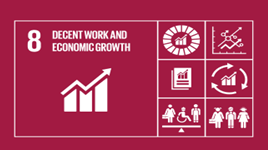
By Middat Khan The Sustainable Development Goals (SDGs), established by the United Nations in 2015, provide a global vision for achieving prosperity, equity and sustainability by 2030 Its goal is to promote inclusive and sustainable economic growth, employment and decent work for all, and to recognize the importance of economic development in reducing poverty and maintaining social stability. . In India, where the economy is diverse and dynamic, achieving SDG 8 is both a challenge and an opportunity.  Understanding SDG 8: Key Objectives and Targets SDG 8 has several key goals and objectives, including promoting sustainable economic growth, ensuring employment products and ensure fair employment for all. The specific goals and targets under SDG 8 are: Target 1: Sustainable Economic Growth Sustain per capita economic growth under national circumstances and aim for at least 7% GDP growth per annum in the least developed countries. Target 2: Diversify, Innovate, and Upgrade for Economic Productivity Achieve higher levels of economic productivity through diversification, technological upgrading, and innovation, particularly in high value added and labour-intensive sectors. Target 3: Promote Policies to Support Job Creation and Growing Enterprises Promote development-oriented policies that support productive activities, decent job creation, entrepreneurship, creativity, and innovation. Encourage the formalization and growth of micro, small, and medium sized enterprises, including through access to financial services. Target 4: Improve Resource Efficiency in Consumption and Production Improve global resource efficiency in consumption and production, aiming to decouple economic growth from environmental degradation by 2030. Target 5: Full Employment and Decent Work with Equal Pay By 2030, achieve full and productive employment and decent work for all, including equal pay for equal value work for both men and women. Target 6: Promote Youth Employment, Education, and Training By 2020, substantially reduce the proportion of youth not in employment, education, or training. Target 7: End Modern Slavery, Trafficking, and Child Labour Take immediate measures to eradicate forced labour, and modern slavery and human trafficking, and secure the prohibition and elimination of the worst forms of child labour. Target 8: Protect Labour Rights and Promote Safe Working Environments Protect labour rights and promote safe working environments, particularly for migrant workers and those in precarious employment. Target 9: Promote Beneficial and Sustainable Tourism By 2030, implement policies to promote sustainable tourism that create jobs and promote local culture and products. Target 10: Universal Access to Banking, Insurance, and Financial Services Strengthen domestic financial institutions to expand access to banking, insurance, and financial services for all. Target 11: Increase Aid for Trade Support Increase Aid for Trade support for developing countries, particularly least developed countries, to enhance trade-related technical help. Target 12: Develop a Global Youth Employment Strategy Develop and operationalize a global strategy for youth employment and implement the Global Jobs Pact of the International Labour Organization. India’s Progress and Challenges in Achieving SDG 8 India’s progress and challenges in achieving SDG 8 India, with its large population and complex economic landscape, faces unique challenges in achieving SDG 8. High levels of performance lawlessness, regional differences in economic growth and the need for skills development are some of the cases. Key Issues However, India has made significant progress through various policies and programs aimed at promoting decent work and sustainable economic growth. Policies and priorities in India support of SDG 8, it is increasing employment in various sectors. The aim of the program is to create a skilled workforce by providing short-term training, emphasis on prior learning (RPL) and specific programs to develop sectors. Key Policies and Programs in India Supporting SDG 8 1.Pradhan Mantri Kaushal Vikas Yojana (PMKVY) Launched: 2015 Status: Continuing Objective: From providing skill development training to the youth of India, raising their employability in various sectors. The program aims to create a skilled workforce by offering short-term training, recognition of prior learning (RPL), and special projects in developing sectors. Impact: As of 2023, PMKVY has trained over 13 million youth across the country in various skills. The scheme has seen an important push toward skill development in emerging sectors as digital technology, healthcare, and engineering. The placement rate for trained candidates stands at around 54%, showing the program’s effectiveness in enhancing employability. Start-Up India Initiative Launched: 2016 Status: Continuing Objective: To promote entrepreneurship and innovation by providing financial support, tax benefits, and to provide simpler rules for startups. The initiative aims to create jobs, promote economic growth, and encourage entrepreneurship across the country. Impact: The Start-Up India project has acknowledged over 100,000 startups since its inception. India has become the third-largest startup ecosystem in the world. In 2022 alone, Indian startups raised around $42 billion in funding. The initiative has also led to the creation of approximately 6.5 lakh jobs directly within the startup ecosystem, according to the Department for Promotion of Industry and Internal Trade (DPIIT). Make in India Reinvigorated: 2014, Status: Continuing with renewed focus Objective: To transform India into a global manufacturing hub by encouraging domestic and international companies to manufacture their products in India. The initiative focuses on creating jobs, enhancing skills, and supporting economic growth in sectors like electronics, textiles, and automobiles. Impact: The manufacturing sector’s contribution to GDP has increased from 15.06% in 2014 to 17.4% in 2023. The initiative has attracted FDI inflows worth $286 billion from 2014 to 2022. Main sectors like electronics, textiles, and automobiles have seen significant growth, with India becoming the second-largest mobile phone manufacturer globally by 2022.   Atmanirbhar Bharat (Self-Reliant India) Launched: 2020 Status: Continue Objective: In response to the economic challenges presented by the COVID-19 pandemic, this initiative aims to make India self-reliant by boosting local production, reducing dependence on imports, and creating jobs. It includes various financial incentives for small and medium enterprises, workers and farmers to promote economic growth and employment. Impact: The Atmanirbhar Bharat initiative has been involved in increasing domestic production, particularly in sectors like healthcare, manufacturing, and MSMEs. Under this initiative, over 10 million MSMEs have benefited from the Emergency Credit Line Guarantee Scheme (ECLGS), leading to the restoration of small

Read More »
Quality Education
Middat Khan

Quality Education – India’s Journey Toward Inclusive and Equitable Learning

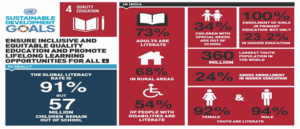
Sustainable Development Goal (SDG) 4, established by the United Nations in 2015, aims to ensure inclusive, equitable, and quality education for all by 2030. Recognizing education as a fundamental human right and a crucial lever for social and economic development, SDG 4 seeks to address educational access, quality, and equity challenges across the globe. This includes foundational education, technical and vocational training, and higher education, with a focus on lifelong learning and sustainable development.
The article examines the significance of quality education as a transformative force, bridging socioeconomic disparities, promoting gender equality, and fostering global citizenship. India’s commitment to SDG 4, through initiatives like the National Education Policy (NEP) 2020, Sarva Shiksha Abhiyan, and Pradhan Mantri e-Vidya, reflects its efforts to improve access to education, close gender gaps, and enhance learning outcomes. Despite commendable progress, India continues to face challenges such as teacher shortages, dropout rates, digital divides, and infrastructure gaps, particularly in rural and marginalized communities.

Read More »

From Silence to Screen: Empowering Middle Eastern Voices through Film

By Vedica Karnik Cinema has played a significant role in giving a voice to Middle Eastern people by providing a platform for filmmakers to express their cultural identity and share their stories with the world. Arab cinema was born at the beginning of the twentieth century and initially consolidated as popular entertainment art and a tool with which to assert Arabs’ group identity in the face of colonial powers. It has emerged as a tool for challenging the prevalent stereotypes and misconceptions about the region and its people, by presenting intricate narratives that go beyond the simplistic misrepresentations often perpetuated in mainstream media (Doane, 1980). Going to see an Egyptian film spoken in Arabic constituted for the populations of the Arab lands as an act of faith and an immersion in their culture and language (Attia, 2016). Over the past decade, film has enjoyed a revival in the Middle East amid a cultural revolution, despite societal challenges (Ajaka, 2016). In an era of globalization where information is widely accessible, Middle Eastern cinema has allowed people from the region to share their stories, their struggles, and achievements, thereby humanizing the portrayal of Middle Easterners and breaking away from stagnant, distorted images. It captures the multiplicity of the Middle Eastern experience, emphasizing the diversity and dynamism of the region instead of reducing it to monolithic caricatures of conflict and terrorism. The impact is two-fold: it empowers Middle Eastern individuals to assert their identities, while exposing global audiences to alternative narratives that replace homogenized stereotypes with a deeper understanding of the region’s cultural, political and social contexts. The lens of Middle Eastern cinema not only encapsulates the vibrant cultures and traditions unique to the region, but also includes the resilience and strength of its people in the face of adversity. Through the distinctive storytelling of these films, the global audience can gain a nuanced understanding of the rich tapestry of life in the Middle East, and the people who are seldom given a chance to tell their own stories in the global dialogues. Thus, cinema plays a critical and transformative role in amplifying Middle Eastern voices and constructing narratives from the region (Woods, 2019). The power of cinema as a means to communicate has been effectively utilized to provide a voice for Middle Eastern people, often marginalized in narratives associated with global cultural discourses. Notionally, cinema has the capacity to bring to light the rich culture, profound history, and complex lives of these people. Films like “Zero Dark Thirty” (2012), which chronicled the decade-long hunt for al-Qaeda terrorist leader Osama bin Laden, offers a distinctive perspective on Middle Eastern geopolitics and the subsequent ripple effects on its people (Diaconu, 2016). Similarly, the Turkish film “Mustang” (2015), which narrates the story of five teenage girls navigating the obstacles of tradition and modernity, counters the stereotype of Middle Eastern women, showcasing their dreams, resilience, and fortitude in the face of societal pressures (Dönmez, 2016). However, it’s pivotal to acknowledge the disparity in representation, with a majority of Middle Eastern characters appearing in crime or geopolitical dramas, often as terrorists or villains, reinforcing harmful stereotypes (MCLAUGHLIN, 2015). This has prompted Middle Eastern writers in the US film and TV industry to call for greater representation, demanding characters that reflect the diverse experiences and identities within the Middle Eastern community. While negative stereotypes persist, organizations like Alwan for the Arts, a New York-based organization, working towards promoting Middle Eastern cultures through events and movie screenings, signify a shift towards more authentic portrayals. Therefore, cinema’s role in giving a voice to Middle Eastern people is multi-faceted, serving both to challenge prejudices and to illuminate the complex realities of Middle Eastern lives (ramadan, 2004). More than often, media has depicted a distorted image of the Middle East, associating the region with terrorism, violence, and cultural oppression, primarily after the 9/11 attacks. Such representation has had severe consequences, including discrimination, racial profiling, and an overall degradation of the Middle Eastern identity. However, cinema has taken up the task of challenging these stereotypes and misconceptions, presenting a more profound insight into the lived experiences of people from this region. Films like “Suleima” have started focusing on the grassroot narratives rather than concentrating on the international political landscape. These films offer a comprehensive understanding of the complexities of the region, its culture, traditions, and the vibrant diversity of Middle Eastern people. “Wadjda” stands as a groundbreaking cinematic achievement, being the first full-length film to emerge from Saudi Arabia’s creative landscape. Behind its creation is the visionary Haifa Almansour, an accomplished Saudi female writer and director. The film revolves around a determined young Saudi girl, resolute in her quest to defy certain societal norms. Central to the tale is her aspiration to buy a bicycle, a simple desire hampered by customary limitations. As the plot unfolds, her journey unfolds — an odyssey entailing her involvement in a Qur’anic recitation contest to win the cash prize. This cinematic masterpiece casts a revealing illumination upon the challenges faced by Saudi women as they navigate the intricate web of societal restrictions. Organizations such as the MENA Arts Advocacy Coalition are working towards increasing the visibility of Middle Eastern performers, thus providing them with a global platform to challenge narratives and dispel stereotypes (KHATAMI, 2018). Hence, cinema is no longer just a source of entertainment; it is a powerful tool of social commentary and a reflection of the cultural memory of a region, and for the Middle East, it is a platform to voice their experiences, struggles, and triumphs. Consequently, the role of cinema in giving a voice to Middle Eastern people is becoming increasingly significant and impactful. Cinema also holds an influential role in how societies perceive themselves and how they are perceived by others. In the case of Middle Eastern representation, cinema has been examined as a key player in providing a platform for the voices of Middle Eastern people, but its effectiveness and limitations are critical to scrutinize. Films like Yousry Nasrallah’s Cannes-nominated “After the Battle” (2012) have highlighted the complex

Read More »

Sustainable Tourism and its impact on local communities

Introduction Tourism and sustainability often may not go hand in hand, after all, tourism is all about leisure whereas sustainability is about consciousness. However, in recent times, several attempts have been made to amalgamate the two. This Tertiary Sector Industry that offers significant contribution to the economic facade of a country has been in the process of being, or at least trying to be, more and more green. Sustainable Tourism is essentially creating an environment-loving industry essentially set in the backdrop of culture, history and heritage. Sustainability may only be a neoteric occurrence of protecting and preserving the environment, but sustainable Tourism in India is no newfangled phenomenon.  For years the local Indian communities have been striving to protect nature and preserve it for the future.  As the tourism sector continues to expand globally, researchers have increasingly focused on understanding the benefits and challenges of sustainable tourism development. Sustainable Tourism essentially leads to environmental benefits, but another major plus to it is the benefit to the local communities. When sustainable tourism practices grow, it leads to greater reliance on local resources and the utilization of the local manpower, which naturally elevates the economic well-being of local communities who are often at the forefront of promoting these measures. The closer together sustainability and tourism move, the further the well-being of local communities grows. Sustainable tourism also leads to several positive outcomes in terms of its impacts of enhancing the cultural identity and heritage of a community and place while honouring its local history. This creates a sense of belonging and pride, enhancing the roots and traditions of local culture. Another benefit is the enhancement of tourist & local community relationships, built on the ground of shared fondness for a culture rooted in history and heritage, presented as a great outcome of local resources and hardship of local people. Sustainable Tourism lies on its three pillars built on social factors, environmental factors and economic factors. These three alongside being codependent in many ways are also a determinant of how well the sustainability initiatives are fairing up in a region. Critical Appraisal The demands of increasingly affluent consumers for further common and ‘exotic’ situations have made an upsurge in ecotourism, especially in developing nations. Concurrently, inside western nations wild regions and lands involved by inborn people groups have been opened up to the tourism industry. It is accurately these more inaccessible, less created tourism zones that ecotourists look for which are most powerless to social disturbance and environmental degradation. While a few journalists accentuate the potential for ecotourism to advance the well-being of both nearby people groups and their situations, others caution us from uncritically tolerating ecotourism as a common great. Numerous administrative offices and tourism scholastics have been caught up in the ‘modern’, as far as anyone knows ‘new’, shapes of tourism such as ecotourism and social tourism. There is to some degree mixed-up conviction that these shapes of tourism are by one means or another morally predominant. At home, with the terms ecotourism and social tourism regularly being utilized simply as showcasing instruments, such shapes of tourism are now and then morally second rate. When commerce is the primary driving constraint behind ecotourism it is not shocking that the wanders that develop may serve to estrange, or maybe benefit, neighbourhood communities. A community-based approach to ecotourism addresses that ecotourism should inherently have twofold benefits, improving the quality of life of the local people and ensuring the conservation of resources. In some African Communities, for example, it is recognised that the local communities should be financially compensated for the loss of resources due to various development projects. In New Zealand, meanwhile, Maori communities are using ecotourism as a means of sustainably utilizing physical resources at their disposal in a way that can provide employment options. Ngai Tahu, for example, are trained local people who deliver information to complement various tourist activities. They aim to ensure that Ngai Tahu people are trained to ensure ecotourism is both socially and economically sustainable, and the respect for lost traditions are also revived as local livelihood improves. One way to to perceive sustainable tourism is to look at it from a developmental perspective while working on the environmental, social and economic faces. The key is to ensure the best interest of the host communities. The advantages can often be short-termed, which in the long run does more harm than good for these communities. There is still a section of people, quite substantial in number, who view sustainable ecotourism as purely an environmental motive, its factors set out to work in the favor of the environment and not the people surrounding it, or at best, prioritizing the environment over local communities. Whether this approach is right or wrong is debatable, afterall how is one to decide what’s more important, the welfare and advancements of Indigenous people and local communities who have faced the turmoil of loss of livelihood for centuries for development’s sake, or the constantly depleting environment which calls for urgent action before things become inevitably bad. Impact on local communities: There are both advantages and drawbacks of sustainable tourism for local communities. First, we’ll delve into the perks- The advantages range through various economic advancements, such as creation of new jobs and greater demand for local resources. This leads to more income opportunities for people living in or near tourist spots. The advantages are beyond just economic and financial, as ecotourists have the opportunity to learn more about a culture’s customs, beliefs, language, and food habits. This leads to the preservation of local culture and heritage and even further enhancement. As travellers from across the globe have a taste of local culture and local people get the opportunity to showcase their local traditions and the humanities, an amiable association is built between the two, strengthening global oneness. There Are also considerable drawbacks to this practice. Oftentimes we see local people losing their traditional way of life. Locals can be exploited in various ways, such

Read More »

Europe’s Immigration Crisis: A Deep Dive into Challenges, Stories, and Solutions

By Anuradha Kakati Introduction Europe’s immigration crisis has been a defining issue for the continent over the past decade. The influx of refugees and migrants, primarily from Africa, the Middle East, and Asia, has highlighted both humanitarian imperatives and political tensions. This blog explores the complexities of Europe’s immigration crisis, presenting recent facts, contemporary examples, personal stories, and discussing potential solutions. The Scale of the Crisis The European migration crisis reached its peak in 2015 when over a million refugees and migrants crossed into Europe, fleeing conflicts in Syria, Afghanistan, and Iraq. Although the numbers have decreased since then, the flow of migrants remains significant. In 2023, the European Union (EU) recorded around 330,000 irregular border crossings, marking a notable increase from previous years (European Commission, 2023). This ongoing influx continues to strain the resources and political will of European countries. Humanitarian Challenges Dangerous Journeys Migrants often undertake perilous journeys to reach Europe, risking their lives in the process. The Mediterranean Sea remains one of the deadliest routes. Since 2014, over 20,000 migrants have died or gone missing attempting to cross it (International Organization for Migration [IOM], 2023). Many migrants travel in overcrowded, unseaworthy boats, facing the threat of drowning or being abandoned by smugglers. Overwhelmed Asylum Systems Countries like Greece and Italy, which are often the first entry points into Europe, struggle to process the large number of asylum applications. Greece’s asylum system, for instance, remains under immense pressure with thousands of migrants living in overcrowded camps under dire conditions (United Nations High Commissioner for Refugees [UNHCR], 2023). The lack of resources and infrastructure has led to significant delays in processing applications, prolonging the uncertainty and hardship for many migrants. Integration and Social Tensions Even when migrants are granted asylum, integrating into European societies presents significant challenges. Language barriers, cultural differences, and economic constraints often hinder their ability to assimilate. For example, many migrants find it difficult to secure employment due to language skills and lack of recognition for their qualifications. Moreover, the influx of migrants has sometimes fueled xenophobia and anti-immigrant sentiment, leading to social tensions and political backlash. In countries like Germany and France, there have been reports of increased incidents of hate crimes against migrants (Eurostat, 2022). Personal Stories A Syrian Family’s Journey The story of the Al-Hussein family from Syria illustrates the human aspect of the crisis. Fleeing the war in Aleppo, they embarked on a hazardous journey through Turkey and the Aegean Sea, eventually reaching Greece. After months in a refugee camp, they were relocated to Germany, where they are gradually rebuilding their lives. Their story highlights both the resilience of refugees and the critical role of supportive host communities (BBC News, 2023). An Afghan Interpreter’s Escape Ahmad, an Afghan interpreter who worked with NATO forces, faced threats from the Taliban after the withdrawal of international troops. Fearing for his life, he fled to Europe, leaving behind his family. Ahmad’s journey took him through Iran, Turkey, and the Balkan route, encountering numerous challenges along the way. His story underscores the plight of those who risk everything for safety and the bureaucratic hurdles they face in seeking asylum (The Guardian, 2023). Policy and Political Challenges EU’s Struggle for a Unified Response The EU has faced difficulties in developing a cohesive response to the migration crisis. Member states have often disagreed on the distribution of asylum seekers and the financial burden sharing. For instance, the 2015 EU-Turkey deal aimed to curb the flow of migrants by returning them to Turkey in exchange for financial aid and political concessions (European Commission, 2016). While it temporarily reduced the number of arrivals, it has been criticized for its ethical implications and limited long-term effectiveness. Rise of Populism: The migration crisis has contributed to the rise of populist and far-right parties across Europe. These parties often use anti-immigrant rhetoric to gain support, advocating for stricter border controls and reduced immigration. In Italy, the rise of Matteo Salvini’s League party is a testament to the growing influence of such sentiments. The political shift has influenced national policies, complicating efforts to develop compassionate and pragmatic migration solutions (Mudde, 2023). Proposed Solutions: Strengthening External Borders: Improving the security and management of the EU’s external borders is a key aspect of addressing the crisis. Enhanced cooperation with neighboring countries and the deployment of advanced surveillance technologies can help monitor and control migration flows. However, it is crucial to balance security measures with respect for human rights. The European Border and Coast Guard Agency (Frontex) has been instrumental in these efforts, although it has faced criticism for alleged human rights violations (European Border and Coast Guard Agency, 2023). Fair Distribution of Migrants: A fair and equitable distribution of migrants among EU member states is essential for alleviating pressure on frontline countries. The EU’s New Pact on Migration and Asylum, proposed in 2020, aims to establish a more balanced system by combining stronger border security with more equitable sharing of responsibility among member states (European Commission, 2020). However, its implementation has been slow and contentious, with some countries resisting mandatory quotas. Investment in Integration Programs: Effective integration programs are vital for helping migrants adapt to their new environments and contribute to their host societies. Language classes, vocational training, and community engagement initiatives can facilitate smoother integration. For instance, Germany’s integration courses include language lessons and cultural orientation, which have been shown to improve migrants’ prospects (Organisation for Economic Co-operation and Development [OECD], 2022). Successful integration not only benefits migrants but also enriches the cultural and economic fabric of host countries. Addressing Root Causes: Long-term solutions to the migration crisis require addressing the root causes of migration, such as conflict, poverty, and political instability. International cooperation and development aid can help improve conditions in migrants’ home countries, reducing the need for dangerous journeys to Europe. Initiatives like the EU’s Emergency Trust Fund for Africa aim to foster stability and economic opportunities in regions with high emigration rates (United Nations, 2023). Conclusion: Europe’s immigration crisis is a

Read More »

Post Brexit EU-UK Relations:Trade and Cooperation Agreement

By Tamanna Yadav The United Kingdom‘s departure from the EU had a significant impact on the continent. The UK was a member of the EU since January 1973, but unfortunately, its membership come to an end in January 2020. While the UK had turned into an independent state, it faced several economic setbacks as it was establishing itself as a non-EU member state. The Trade Corporation Agreement (TAC) was signed between the two countries in December 2020 to help maintain the relationship that had existed for 47 years. The TAC laid the basis for trade, cooperation, and governance between the two countries. The UK has been trying to establish itself as a resourceful, strong-headed country while facing challenges along the way. EU-UK Trade and Cooperation Agreement 2020: The United Kingdom exited the European Union on January 31, 2020, and both countries reached an agreement regarding their future relationship. The Trade and Cooperation Agreement was signed in December 2020 and, after the approval of the EU parliament, adopted by the British council (EU Trade Relations With the United Kingdom. Facts, Figures and Latest Developments., 2022). The United Kingdom (UK) European Union partnership is based on the Trade and Cooperation Agreement (TCA), which was applied on January 1, 2021, and came into force in May 2021. While the TCA is a trade agreement, it covers not just trade in sectors such as goods, services, and investment and also a range of areas falling in the EU’s interest, such as energy and sustainability, fishery, and air and road transport (EU-UK Trade and Cooperation Agreement | Access2Markets, n.d.). The TCA will by no means be able to match the standard of economic integration that existed when the UK was an EU member, but the TCA goes beyond traditional free trade agreements.  TCA provides a strong basis for preserving the longstanding relationship between the two countries, as it includes three major —-. First, a free trade agreement with cooperation on economic, social, environmental, and fishery issues. The FTA offers a new spectrum on issues of transport, energy, social security coordination, energy and sustainability, and state aid. Second, a close partnership on citizen’s security, which focuses on recognizing the need for cooperation between the judiciary and law enforcement authorities for fighting cross-border crime and terrorism. It also shed light on the fact that the UK being a non-EU state, will not receive the same facilities as before. Thirdly, an overarching horizontal governance framework. The horizontal agreement focuses on giving legal clarity to businesses and individuals about the functioning and process of the TAC. Furthermore, foreign policy, external security, and defence cooperation have not been covered by the agreement. There is therefore no framework set between the EU and the UK to coordinate the imposition of sanctions on countries since January 2021. As TAC is more focused on trade, it does not cover discussions on financial services, UK data protection regime. (The EU-UK Trade and Cooperation Agreement, n.d.) Impact of the UK’s exit from the EU: The United Kingdom’s economy has faced a hit to the economy since Brexit. Trade, investment, and jobs have faced major difficulties with the new system at hand. Companies trading with the EU had faced challenges with the new framework, new rules, and new checks put in place. This put in fear over 550 billion euros of trade between the UK and its trading partners (David, 2023). Significantly, the direct impact of Brexit was the introduction of trade barriers, tariffs and quotas. Small scale firms faced several challenges in exporting goods as they were operating at a smaller level (Portes, 2023). A total of 71 trade deals are in the process of completion but have been stuck, considering a vast majority of the deals have been replicated since Britain was a part of the EU. The UK has signed deals with Australia, New Zealand, but it is doubtful if they will help boost the economy. In addition, there are talks of deals with India and members of a trans-Pacific pact. But it will take time for development and establishment. Trade deals with the US and China remain difficult to establish as an independent country as opposed to when the UK was an EU member. The UK government should let in more workers in the country as a lack of workers has resulted in shortages and increased bills for the customers. According to a study done by the think tanks centre of the European Reform have noticed that there are 330,000 fewer workers for jobs after Brexit. It might be a small proportion of total workers but difficulties are being faced in sectors such as transport, hospitality and retail (David, 2023). In conclusion, the UK’s exit from the EU has resulted in economic turmoil and challenges in the country. TAC is one such agreement to redefine the relationship between the UK and the EU. The TAC will help in reinforcing ties and help the UK to become an independent country. However, it underscores the complexities and challenges to overcome the effect of its exit on the economy, particularly the financial sector and foreign policy coordination. As both sides aim to navigate an improved future, it aims for negotiation and adjustments its way seeking to maximize job opportunities, and balancing trade with new partners. References

Read More »

THE ROLE OF DHARMA IN THE CONTEMPORARY STRATEGIC THOUGHT OF INDIA.

The looming challenge in the contemporary world is often one to be contested in its vitality. In connection with the setting of our ever-evolving dimension, the choice of mannerisms that one must adopt, to excel in the selected sphere is a question that explores answers which outwit the excellence of the scenario. Regardless of the plethora of available solutions to the applicable situation, the individuals in question tend to make a choice that reproduces repercussions that are not predictable at the primary stance. Resulting from such unforeseen consequences arises the attribute of hollow satisfaction which further persuades the actor to complete the unfinished – by those means that are undefined and possess incomplete assurance of their nourishment. This blog aims to establish that even though Darvin’s thesis of ‘Survival of the Fittest’ lures immense favour in the perpetual 21st century, on being supplemented with a vital intersection of monism and dharma of Advaita and Righteousness, the contemporaries can experience a triumphant composure, not only at an individual but also in a collective milieu. This blog is divided into three sections. The first section broadly, yet briefly identifies the topics of Monism and Dharma as presented under the umbrella topics of Advaita and the Mahabharata. The second section is further bifurcated into three subsections that individually deal with the chief concepts of Advaita and Mahabharat, while also attempting the prime integration of monism and dharma in the quotidian task of individualistic decision-making. Finally, the third section exercises the dual attributes of primarily justifying the validity, utilisation as well as sustainability of the integration and subsequently, presents the various spheres of practicality, whereby the essentiality of the integration may differ from one connotation to another. Just as the contexts of space and time impersonate the vitality of dimensions, the 21st century and the combination of ethical and moral decision-making formulate the intensity of contentment after the execution of a decision that has been promulgated. What is more contentious is the duality of the contentment – whether the contentment is genuine or is it just a façade after all. The step–by–step methodology of actively exercising a decision is a three-fold activity. It begins with encountering the problem of the given case scenario, followed by the ideal identification of the proposition with respect to the case scenario and culminating with the appropriate resolve to the problem of the case scenario at hand, in accordance with the identified proposition/standpoint of the individual. While the three-fold procedure appears to be one that perhaps is a natural tendency for mankind to react to, without focusing with adequate consciousness, truth be told, the practicality of the same rather falsifies this assumption. This report, through means of constructively conceiving and integrating the notions of monism and dharma, also provides for the optional methodology of systematic analysis and formulation of individualistically appealing attributes that would further permit the enhancement of the decision-making capacity. Life, as understood by mankind, is an amalgamation of events, situations, and developments, which occur repeatedly, with or without the conscious knowledge of the actors/recipients even when they are active/passive participants in the cause-and-effect scenarios of momentary and daily phenomena. What appears to be the core matter of contention can be labelled as a two-fold symbiotic action-reaction of reception and reciprocation of manoeuvres pertaining to one’s lifestyle. It is this context of reception and reciprocation that poses the requirement of the person’s focus and intellect, to actively and comprehensively – not only attend to the individualistic minuscule details of the perceived scenario but also succeed in establishing a course of reactionary gestures that are in the best interest of all parties involved. To interpret this in layman’s language, it would mean that regardless of a person’s individualistic understanding of a given case scenario, they must formulate a reverberation that aims to enhance the lives of the involved individuals and further promote progress in society. As Deepshika Shahi, in her article Rethinking the absence of post-Western International Relations theory in India: ‘Advaitic monism’ as an alternative epistemological resource, points out, “The concept of Advaita (literally meaning non-dual or non-secondness) pre-supposes a monist epistemology that, unlike the conventional epistemologies based on a fundamental subject-object distinction, ties the perceiver (subject) and the perceived (object) together with a globe marked with ‘single hidden connectedness’ or Brahman.”1, we can grasp the fact that the entire concept of making a society-friendly decision is based on the subject-object divide. If the divide is nonexistent, the understanding, as well as the decision, is sure to be one that is societal-friendly. However, the contrary may employ a self–centred reaction, countering the very essence of Advaitic ideology. Thence, it is essential that despite the individualistic interpretation of a scenario, the doer must commit oneself to fix on an option that is beneficial for the common good of the masses, thereby nullifying the constructively obstructive divide. As a contemporary relation, let us assume the response of India towards Israel (spanning the diplomatic journey since  its declaration as a state) and Hamas (since the October 7, 2023 attack on the state of Israel). India’s Palestine policy has evolved over the years. When the UN General Assembly voted on a resolution to partition Palestine into a Jewish state, an Arab state and an international city (Jerusalem) in November 1947, India, along with Pakistan and the Arab bloc, voted against it. Prime Minister Jawaharlal Nehru had compared the settler Zionists in historical Palestine to the Muslim League of undivided India. His position was that India, having gone through the horrors of Partition, should not support the partition of Palestine. But when the state of Israel was declared in May 1948, India swiftly adopted a pragmatic line: in 1950, it recognised Israel, but stopped short of establishing full diplomatic relations. Throughout the Cold War, India, an advocate of Third World autonomy, was one of the most vocal supporters of the Palestine cause. To constructively imbibe the essence of the epic Mahabharata and also wisely interpret the underlying conveyed concept of Dharma,

Read More »