IISPPR

International Relations
Abhishek Kulkarni

French Colonial Legacy in Africa: A Deep Dive into Françafrique and Post-Colonial Influence

Discover the enduring impact of French colonial legacy in Africa, exploring Françafrique, migration patterns, military interventions, and cultural assimilation. This in-depth analysis reveals how historical ties continue shaping security, economics, and cultural identity, highlighting both resistance and influence in post-colonial Africa’s evolving relationship with France.

Read More »
Climate Action
Bharadwaj Vangipuram Sridhar

Economic Implications of Climate Policies in India, Brazil, and South Africa – COP 2024 Insights

Aarushi Mahajan, Sarabel Odero, V S Bharadwaj, Anil Tamsoy Introduction Climate change, although a global challenge, often imposes a dual problem on developing nations where the need for economic growth often conflicts with a move towards environmental sustainability.  Today, major emerging economies such as those of India, Brazil, and South Africa are confronting difficult trade-offs owing to their heavy reliance on carbon-intensive industries, such as agriculture, coal, and manufacturing which complicates their efforts to reduce emissions and embrace sustainable measures. Additionally, such a shift towards sustainability often involves significant economic costs such as the disruption of traditional industries, which in turn leads to a slowing GDP growth and the creation of short-term job losses. This article aims to examine the economic implications of climate change and climate policies introduced to mitigate this change. The analysis ultimately underscores the need for strategic investments, effective policy frameworks, and international cooperation to help these nations achieve climate goals without compromising their economic development. India As of 2024, India is the nation responsible for one-third of global emissions annually per capita. By avoiding carbon-intensive activities, it has set an example for economic development in emerging economies. Eleven years ahead of the 2030 deadline, it has already met the Nationally Determined Contributions (NDC) target of reducing emission intensity (Mohapatra, 2024). The proper separation of GDP growth rate and greenhouse emissions is a sign of sustainable development (Ministry of Finance, 2024). India has committed to using 50% of its installed capacity for electricity generation from non-fossil fuels by 2030 (Government of India, 2022). Sectoral Analysis As of May 2024, the non-fossil power capacity for the energy sector stands at 45.4%. The energy demand is expected to go up by double or triple times because of the increasing energy demands by the growing economy, especially the cement and steel industries (UNDP, 2024). To fulfil the sustainable energy objectives, India needs to increase renewable energy investments (Prasad, 2024). By 2047, India aims to eliminate energy poverty and energy objectives through a people-centred strategy (Chowdhary, 2024). Additionally, particularly in the wake of the Paris Agreement, India’s climate policies have shown to be quite effective and successful (Wahengbam, 2024). Reducing emission intensity is on track to meet the NDC Goal 3 of reducing overall emission intensity by 33–35% from 2005 (Vishwanathan et al., 2023). The Climate Compatible Development (CCD) scenarios for India predicted a 0.8% loss in Indian GDP in 2030 and a 1.1%–1.8% decline in 2050 because of the aggressive push for climate policies. However, India’s NDC targets and net-zero action plans may coexist with healthy economic growth, provided the implications of climate change on population health and well-being are taken into account. On the other hand, this effect will cause global employment to decline by 0.5% in 2030 and by 1% in 2050. However, jobs lost in fossil fuel industries will be offset by the jobs created by the renewable energy sector supplemented by specialized retraining programs (Vishwanathan et al., 2023). Climate Finance One of the key results of COP29 was the agreement to increase the climate finance for developing nations from USD 100 billion to 300 billion by 2035 under the New Collective Quantified Goal (NCQG) (UNFCCC, 2024). India set an annual goal of USD 1.3 trillion for the NCQG to support it, with USD 600 billion coming from grants or similar funds. The nation expressed concerns about the allocation and deficiency of climate funding, particularly the need for poor nations (Desk, 2024). Public-private partnerships (PPPs) allow the government to allocate funds for sustainable development from corporate and other income taxes. This financing will translate into new energy infrastructure by facilitating the transfer of knowledge, capital, technology and skills from the private to the public sector (Trivedi, 2023). The Green Climate Fund (GFC) highlights the significance of concentrating climate finance on the rural sector, where low-emission development and adaptation measures are desperately needed (Grants From Green Climate Fund, 2024). Brazil Brazil, as one of the largest economies in Latin America, is deeply impacted by climate change, with deforestation posing the biggest threat to key sectors of the country’s economy. Brazil’s economic vulnerability stems from its dependence on agriculture, hydropower and natural resources. The agricultural sector – vital for domestic food security and international exports – is especially vulnerable to droughts and temperature extremes that damage crops and reduce water availability for irrigation. Similarly, the energy sector, which relies heavily on hydropower, faces risks from reduced water availability and fluctuating rainfall patterns. The World Bank estimates that extreme weather events have led to an annual output loss of 0.13% of GDP in Brazil over the past 20 years (“The Economics of Climate Change in Brazil,” n.d.). Deforestation, particularly in the Amazon rainforest, exacerbates Brazil’s vulnerability to climate change. The destruction of this critical ecosystem not only disrupts water cycles but also threatens to push the Amazon to a tipping point, with severe consequences for the climate system. The Amazon’s collapse could reduce Brazil’s GDP by as much as 10% by 2050, with profound effects on agriculture, hydropower, and industry (Giz, 2024). Given that the Amazon plays a crucial role in carbon sequestration, its degradation also undermines global efforts to mitigate climate change. In response to these challenges, Brazil has developed and begun to implement a national climate policy. Since ratifying the Paris Agreement in 2016, Brazil has committed to reducing its greenhouse emissions by 50% in 2030, to achieve climate neutrality by 2050 (Chen et al., 2024). This ambitious agenda requires a comprehensive restructuring of national climate governance and a series of policy initiatives. Brazil’s national climate policy is built on several key areas, including enhancing transparency, climate finance and green growth. A monitoring system to track the impacts and progress of its Nationally Determined Contributions (NDCs) is being developed, along with mechanisms to reduce emissions from deforestation and forest degradation (REDD+) (Brazil Climate Change Country Profile | Climate | U.S. Agency for International Development, 2024). These measures aim to support Brazil’s low carbon transition and strengthen

Read More »
Public Policies
Piyush Chaudhary

Child Digital Safety Policy in India

This article comprehensively addresses the issue of child digital safety policy in India. It explores the problems of cyber abuse and cybercrime faced by children, identifies gaps in current Indian policies, and provides recommendations to address them effectively.

Read More »
FINANCE
Ravishen Jain

THE EMERGENCE OF BRICS: A NEW GLOBAL FORCE

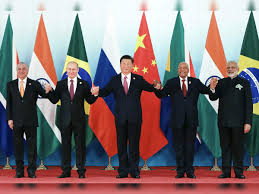
The BRICS coalition encompassing Brazil, Russia, India, China, and South Africa, has emerged as a significant force in transforming the global economic and political framework. Initially founded to foster economic cooperation among emerging economies, evolved into a multifaced platform addressing financial stability, geopolitical strategy, and sustainable development. This research explores the coalition’s origins, its role in challenging Western dominance, and its contributions to economic Cohesion and global governance.

Read More »
Health
Niharika Punia

CHILDHOOD TRAUMA AND ADULT PSYCHOLOGY

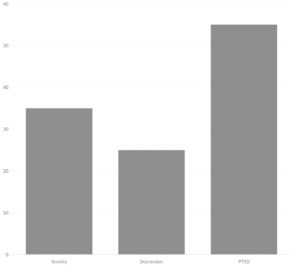
Childhood trauma profoundly affects psychological health, often resulting in anxiety, depression, and PTSD. Neurobiological changes, such as amygdala hyperactivity and hippocampal shrinkage, impair emotional regulation and memory. Early interventions like CBT, TF-CBT, and EMDR can promote recovery, emphasizing the importance of trauma-informed care and continued research.

Read More »
Climate Action
Adithyan P

FOUNDATIONS OF CLIMATE POLICY

This article examines the scientific foundations of climate change & it’s effects and how the public policies today are combating challenges like greenhouse gas emissions, carbon sequestration, and human activities like industrialization. It highlights evidence from current government practices historical data emphasizing the urgent need for sustainable solutions.
Key words-Climate Change,Greenhouse Gas Emissions,Sustainable SolutionsCarbon, ,Public Policies

Read More »
Health
khushi Jain

The Psychological Aftermaths of Traumatic Brain Injury

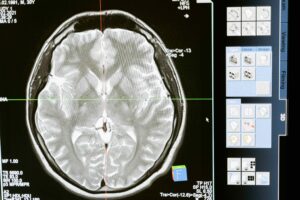
Bhumi Sharma, Khushi Jain Traumatic Brain Injury (TBI) can lead to overwhelming and lasting effects on a person’s cognitive, behavioural, emotional and overall psychological functioning. Issues like memory loss, mood swings, aggressive behaviour and in some cases psychological disorders like major depressive disorder, anxiety disorder; are not that uncommon in people who have suffered from a TBI. Research in this field can provide us with a better understanding of the psychological effects of a physical injury and can help us build better interventions and treatments. It can also help in exploring the relationship between TBI and development of psychological disorders and delve deeper into neuropsychology. This article will talk about long-term cognitive, emotional, and behavioral outcomes of TBI; and the relationship between TBI and the development of psychiatric disorders. The Multifaceted Impact of Traumatic Brain Injury on Mental Health  Traumatic brain injury (TBI) is the leading cause of disability in those aged under 40 years, commonly affecting young males injured in road traffic accidents. The injury interrupts the important developmental transition to independence and results in significant emotional distress (Ponsford et al. 1995). Clarification is also required concerning the contribution of pre-injury psychiatric history to post-injury disorders. The literature variously posits that preinjury disorders increase risk for post-injury disorder development (Deb et al. 1999; Ashman et al. 2004), that they are not significantly associated (Fann et al. 1995; Jorge et al. 2004), or that those without a pre-injury history have an increased risk of post-injury psychiatric disorder (Fann et al. 2004). Importantly, there are dramatic variations in reported incidence and prevalence rates between studies, with post-injury incidence of depression ranging from 15.3% to 33% and prevalence from 18.5% to 77% (Kim et al. 2007). Reported prevalence of anxiety disorder ranges between 19% (Rutherford et al. 1977) and 70% (Lewis, 1942). Traumatic brain injury (TBI) is a critical condition that impacts individual  cognitive functions (memory deficits, post-traumatic amnesia, and attention challenges), emotional stability (depression, anxiety, and PTSD), and behavioral functions (aggression, impulsivity, and social withdrawal).Historically, TBI has been linked to post-traumatic amnesia (PTA), a global cognitive disturbance characterized by confusion, disorientation, and difficulty in storing or retrieving new information. This stage often includes retrograde amnesia, significantly impacting patients’ ability to reintegrate into daily life (Halalmeh et al., 2023). Early studies on sports-related concussions identified that individuals with repeated concussions exhibit greater susceptibility to neuropsychological deficits and long-term cognitive impairments. Younger children, in particular, are at a higher risk of prolonged cognitive deficits, emphasizing age as a critical factor influencing recovery trajectories. Recent advancements highlight virtual reality (VR)-based rehabilitation as a promising intervention. Semi-immersive VR has shown superior results in improving attention, memory, and executive functions compared to traditional methods, offering an engaging approach to cognitive recovery post-TBI (De Luca et al., 2019). However, significant gaps persist. Given the individual variability in TBI experiences, these findings may not be generalizable across diverse populations. Personalized rehabilitation plans tailored to individual needs remain underexplored. However, future research must address the heterogeneity of TBI experiences to ensure equitable and effective interventions for all patients. TBI and Psychological Disorders Traumatic Brain Injury or TBI is when the brain suffers an injury from an external force and can range from mild to severe, which can even lead to death. The relationship between TBI and psychological disorders is intimate but complex. The interplay between neurological damage from TBI and the onset of psychiatric conditions is complex, and understanding this relationship is crucial for improving the treatment and outcomes for individuals affected by brain injuries. The most common consequences of TBI are psychological and psychosocial impairment and may result in a broad range of emotional and behavioural abnormalities. The most severe manifestation is in the form of psychological disorders. According to studies the frequency of psychiatric disorders in individuals is higher than in the general population and in individuals prior to injury. These suggest that the chance of mood and anxiety disorders to occur increases during the first year post injury. Around 70% of people after suffering from a Traumatic Brain Injury exhibited Sleep-wake dysfunction. Post-mortem detailed evaluations of the brains of patients who did and did not suffer from TBI showed a significant reduction in hypocretin neurons which causes excessive daytime sleepiness. Behavioral, Cognitive and Emotional Effects on TBI  Traumatic brain injuries extend far beyond physical damage, significantly impacting an individual’s daily functioning and overall quality of life. These effects are not limited to the individual but also influence their social environment and the people around them.This theme is vital as it sheds light on how various impairments such as memory loss, emotional instability, and social withdrawal, aggression, impulsivity undermines an individual’s independence and productivity. The complexity and uniqueness of each injury highlights the necessity for tailored interventions, as a standardized approach fails to accommodate the diverse challenges faced by TBI survivors. Understanding the multifaceted impacts of TBI is crucial for developing effective strategies to support individuals in regaining functionality and improving their quality of life, while also easing the burden on their caregivers and support systems. The interventions are necessary as the course of recovery for a TBI survivor can be lengthy and challenging both on the survivor and the caregiver as it requires proper care, timed medications, follow ups which can become a burdened in the caregiver’s life and it may result in emotional disturbances in caregivers such as anxiety or depression and its adverse effects may stay longer in their life. Hence tailored approaches, such as cognitive rehabilitation, psychotherapy, and structured support systems, help survivors regain independence while providing caregivers with the resources and coping strategies needed to manage their roles effectively. This holistic approach ensures better outcomes for both survivors and their support networks. TBI in Military Personnel: Unique Cognitive and Emotional Challenges Most studies presented previously describe TBI in civilian populations. However, given the high rates of TBI among veterans and military service members, it is crucial to understand how it affects their cognitive, emotional, and behavioral functions. The acute effects of

Read More »
International Relations
Manjiri Phansalkar

WOMEN AND CHILDREN UNDER ISIS

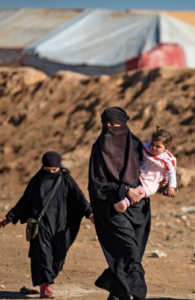
WOMEN AND CHILDREN UNDER ISIS __________________________________________________________________ By Manjiri Phansalkar ABSTRACT ISIS, also known as ISIL – the Islamic State of Iraq and the Levant (terrorist organisation) is a Sunni jihadist group with a particularly violent ideology that calls itself a caliphate and claims religious authority over all Muslims. With the quantum of attacks, incidents and undercover – sleeper cells persisting in the transient nexus of the twenty-first century, a very striking component of such an organisation is known to bear great repercussions as well as contribute significantly to its working. Women and children – generally considered to be the ‘softest targets’ in any area of conflict, are subjected to excessive torture and are awarded unforeseen, dreadful consequences on committing an apparent act of crime, which is deemed to be against the rules as dictated by their extremist law. It is such an unbecoming setting that calls for the long – due synthesis and analysis of the treatment offered to women and children under ISIS. This paper looks at three prime areas of detailed study, encountering the framework and mechanisms of ISIS, followed by the extremities experienced by women and children and finally a constructive analysis of the atrocities.  __________________________________________________________________ INTRODUCTION ISIS is short for the Islamic State of Iraq and Syria and is concurrently also known as ISIL or the Islamic State of Iraq and the Levant. Towards June 2014, ISIS chose to rename itself as the “Islamic State” accounting to the fact that it proclaimed the creation of a global caliphate. Abu Bakr al-Baghdadi, who was their leader since 2010, declared that he was the new caliph and, resultantly,  was now ruling all Muslims. ISIS, ISIL and IS appear to be mostly synonymous, however, in the particular case of ISIS, it has been long established that Abu Musab al-Zaqawi was the (extremist) founder of this organisation – in 1999 Within the next  five years, al-Zarqawi’s new group rapidly advanced in their recognition through their barbaric activities and simultaneously also chose to associate with Osama bin Laden and Al-Qaeda (AQI). They are known to and considered to be Islamic extremists, Islamists or Jihadists, closely linked to the dramatically popularised concept of Jihad or “struggle.” Various other terrorist organisations, such as the Taliban, Boko Haram, the Al-Qaeda, Hamas and Hezbollah have also been participating in the global realm of affairs and have been making the news for decades(especially now, considering the ongoing Israeli war in Gaza). However, ISIS appears to be in a strata of its own. In 2014, Al-Qaeda officially dissociated itself from ISIS, and subsequently became a self-sustained entity. Al-Qaeda refused to take responsibility for ISIS’ actions which they deemed to be “too extreme” in some cases. ISIS has proven to be a rather negatively growing potential in the acts of terror across the expanse of the globe, considering which, it has now become a force to be reckoned with. Women and children have always been a significant catalyst in events throughout history. In the case of women, it can be observed that women take various roles for the recruitment, and in that sense become agents for a shift towards radicalization and counter-extremism (Saltman, 2019). Women are the silent driving forces of society. Their involvements and dynamics directly impact the children of the society. Children are seen as the beacon to carrying such radicalised and extremist views forward for society. Focusing particularly on minors, adolescents, it is understood that they are indoctrinated for future jihad, emphasising the influential role that children can also play in terrorist operations (Spencer, 2016) . In this chapter, we attempt to analyse these roles and their impacts in current incidents, in relation to ISIS operations. DECODING : WOMEN AND CHILDREN UNDER ISIS While ISIS poses threats to the world in many ways that are manifested through unexpected scenarios, it is noticeable that not all of it is possible without the necessary requirement of manpower, which would / does essentially engage in acts of terror, in the name of an extremist-jihadist law. Although, from time immemorial, society has known itself to be patriarchal by nature, a similar algorithm applies to the mechanisms of ISIS as well. However, a surprising fact represents itself in the form of participation by women and children in acts of terror across the globe. Considering the popular opinion of women being the suppressed fraction of population under the ISIS, it is rather unlikely to witness women (and children) participation alongside men. Two reasons may be considered here. As a first, women may be subjected to forced participation, as a mandate enforced by the patriarchal guidance of laws, or perhaps they do so willingly, out of their personal choice. On the other hand, in the case of children, it is understandable that – a provocative environment- such as that of ISIS would demand only so much from a child so as to follow the traditions long-established by their forefathers, while also keeping in mind the fact that the children from those women who themselves indulge heinous acts of terror, are bound to bring their children up in a manner similar to theirs. In this section of examining the activities and treatment offered to women and children under the ISIS, a synthesis is observed through a framework of three sequential categories. Primarily, we dive into the ideology that ISIS aims to propagate, followed by the understanding of the linkage as established by the ISIS with women and children and finally produce a simple analysis of the  established linkage. ISIS – WHEREABOUTS ISIS follows a very extreme form of Islam known as Salafism (in Arabic al salaf al salih means the “pious forefathers”). It promotes violence and bloodshed to establish and maintain Qur’anic hegemony through a very strict adherence to the Qur’an and Shari’a law. ISIS adheres to an apocalyptic theology and believes that the Mhadi or “guided one” will soon arrive and redeem Islam. ISIS has declared jihad against all infidels. That includes westerners, Christians and Jews. But it also includes any

Read More »
International Relations
Manjiri Phansalkar

GWADAR: A CHINESE GIBRALTER

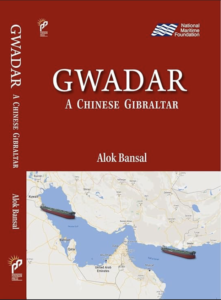
“GWADAR: A CHINESE GIBRALTER” Alok Bansal. New Delhi. Pentagon Press LLP, 2023. 224 pages, ISBN 978-81-951894-8-9. Rs 995 (Hardcover) Reviewed by: Manjiri Abhay Phansalkar In the current scenario of 21st century geopolitics and geostrategy, where countries and personalities are trying to establish their foothold as a global leader, China has delicately partnered with Pakistan to attain its goals of global leadership, economic hegemony as well as establish its geostrategic supremacy by means of mobilizing and exercising the deep-sea port of Gwadar on Pakistan’s Makran coast. The text by a retired Indian Naval Captain Alok Bansal, Gwadar: A Chinese Gibraltar highlights the strategic, economic and political attributes of Chinese operation of the Gwadar port while also representing the security concerns of the bordering nations and addresses the implications and influences of the operation of the upcoming deep-water port. The book, in totality discusses the importance of the Gwadar port especially with reference to the geopolitical entities in the neighborhood. “An established South Asian expert on Pakistan and a well-known defense analyst, Captain Bansal possesses impressive academic and experiential knowledge of multiple facets of South Asian geopolitics”. His book, Gwadar: A Chinese Gibraltar introduces and discovers various facets such as geopolitical significance, geostrategic implications, economic prowess, security matters and influences on neighboring entities in a series of six compact segments. In the initial phase, the book attempts to draft out a brief context of the region of Gwadar as well as the surrounding region in reference to the erstwhile occupants, the dynamic history, demographic evolution as well as geographic features of the arena.  The author continues to bring out the significance of the Gwadar deep-sea port. This aspect is practiced in relevance with the firstly the geographical location (and the possibility of  the port being exercised as an alternative to the previously existing ports at Omara and Karachi), secondly the advancements and innovations being implemented during the development of the deep-sea port (inviting investments and partnerships from key players in the global arena) and thirdly, presenting the short comings and limitations of the operation of the port post the idealization of the state-of-the-art facilities being established at the location. Further, the book delves into the security implications for Pakistan, in both the dimensions of Internal and External Spheres. On the External Sphere of security, the main highlights are presented in the form of Maritime security-whereby Pakistan envisages a respite from possible naval blockades and trade hinderances faced by the Indian Navy. In the context of Reducing Economic Vulnerability whereupon the operation of Gwadar port in addition to the ports at Omara and Karachi provides not only an added factor of security, but also guarantees flexibility and extravagance in matters of international trade, commerce and an option of transshipment leadership Finally, merging Pakistan’s security strategies with that of China’s so as to establish safety, stability, as well as superiority in the region of tumultuous events. On the Internal Sphere of security, the author introduces the two main aspects of development of Gwadar and the impact on the region of Balochistan as well as the rection of the Balochi locals to the developments taking place on their land. It is noticeable herein, that the Balochis are particularly apprehensive of the developments on the Gwadar port, as it comes as an action to jeopardies their land so that the owners reap negligible benefits of the port. China, a decisive player in the upgradation of Balochistan via the development of the Gwadar deep-sea port is shown to have heightened importance in the book. China’s efforts to assist Pakistan in this developmental project is viewed to be firstly, an attempt to enhace its geostrategic as well as economic standing on the global sphere and secondly, allow Pakistan to establish itself as a major stakeholder in global trade while also act as a lynchpin in the commerce of the land-locked countries within the Asian continent. The author addresses the Gwadar port as a major stakeholder in China’s CPEC, i.e. China-Pakistan Economic Corridor and is considered to be a leading project under China’s BRI i.e. Belt and Road Initiative. Venturing into the latter section of the book, the author attempts to bring out the primary impacts on Regional Security that majorly concern the bordering region of Pakistan, as well as the influences on the extra-regional powers. With regards to Afghanistan and Central Asian Regions (once a part of the Soviet Union), it is discovered that the Gwadar port emerges as the soul of their trade and commerce with regions outside of Asia. However, the issue of resistance by the local Baloch population remains a matter of concern for the development of the deep-sea port. In context of Iran, the Gwadar port is a clear competitor to the Chabahar port being developed by the Iranian government, in collaboration with the Indian government. Referring to the United States, the book brings out the intricacies of the global economic competition between China and the US, because of which China’s rise as a global hegemon is becoming inevitable. Also citing the intricate relationship with Russia, the Gwadar port emerges as a combined effort to exercise relations on economic forums. In the last section of the book, the author deals with the implications of the deep-sea port on India and states prime issues such as naval surveillance not only by the Pakistani Navy but the Chinese Navy as well, coupled with an attempt to jeopardies the maritime trade of the Indian subcontinent by mobilizing Gwadar as the hotspot for Asian commerce. Lastly, Chinese efforts on the Gwadar deep-sea port is visible intent to promulgate the concept of String of Pearls which aims to detrimentally harm India’s geostrategic posturing. In the concluding segment of the text, the author presents certain engaging theories and fruitful recommendations for India to effectively negate the detrimental influence of the Gwadar port on Indian trade. One striking feature is the suggestion for India to engage with Baloch nationals and promote Chabahar port over Gwadar as a preferred gateway to

Read More »