Authors: Pranati Singh, Sunaina Kansal, Swastika Mukherjee, Kirtika Dixit, Arshin Ragesh
INTRODUCTION
Public expenditure on school education plays a key role in increasing access, equality and human development in India. However, a disparity exists between financial allocation and ground-level achievement. This discrepancy is most evident in secondary education, where the current dropout rate in India is 14.1% and the transition rate to higher secondary level is 71.5% in accordance with the UDISE+ (2023–24), despite sustained investment in public schools and welfare schemes. Existing studies of Bose & Sharma (2023) have pointed out that there exists disparity in expenditure, infrastructure, policy implementation, and educational equity. However, students’ lived experiences remain an unexplored issue.
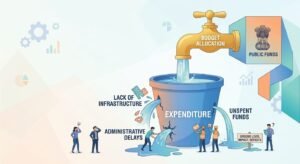
Further studies suggest that increased public expenditure does not automatically guarantee improved educational outcomes, as the effectiveness of investment depends on how resources are allocated, managed and translated into practice. This implementation dimension can be understood through Pressman and Wildavsky’s (1973) and his ‘Implementation Theory’, which argues that policy formulation is only the beginning of the policy process and that policy outcomes may be weakened as implementation passes through multiple administrative levels due to delays, coordination problems and bureaucratic mismanagement. This perspective helps explain why higher budgetary allocations may not necessarily result in effective expenditure or improved educational experiences.
The implementation process can be further understood through Michael Lipsky’s (1980) and his theory on ‘Street-Level Bureaucracy’, which shifts attention towards frontline officials who are directly involved in delivering public policies. Their decisions and discretion can shape how government programmes are ultimately experienced by citizens. In public education, teachers, school administrators and local education officials play an important role in determining how educational resources and government schemes reach students.
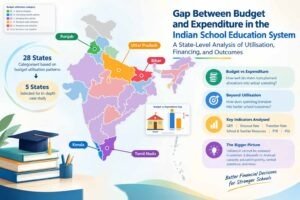
Unlike previous research, this study therefore centres student voices as a validity test of whether budget allocations translate into on-ground educational realities. Focusing on Delhi and Maharashtra, it examines two distinct policy contexts through expenditure and policy analysis alongside semi-structured interviews with government-school students aged 12–18. Both Delhi and Maharashtra have witnessed substantial public investment in school education but differ with regard to policy-making, governance systems and population size. The two contexts also adopt varied means of policy implementation. Thus, they provide a useful basis for examining how educational expenditure is translated into student-level experiences.
Research Objectives
- To examine how public education budget allocations in Delhi and Maharashtra translate into tangible, lived improvements experienced by government-school students aged 12–18, across dimensions such as infrastructure, welfare provision, and teacher engagement.
- To identify which group of students report benefiting from these allocations and which do not, understanding how access to the outcomes of allocations varies within the same policy context.
- To assess the gap between the budget allocation and student-reported experience, by using student accounts as a lens to evaluate whether policy intentions are being realized at the point of delivery.
- To conduct a contextual comparative policy analysis of Delhi and Maharashtra, to examine how different implementation frameworks and practices shape the relationship between educational expenditure and experience in each state.
Research Questions
- How have the budgets allocated to public education in Delhi and Maharashtra translated into tangible, lived developments for government-school students aged 12–18, along with the factors that shape which students benefit and which do not?
- What are the various gaps that exist between education budget allocation and students’ actual experiences of infrastructural and welfare provision, and teacher engagement, and further how the existing implementation framework explains these gaps?
- How is the relationship between public expenditure and educational experience different across the distinct policies and their implementation contexts in Delhi and Maharashtra.
LITERATURE REVIEW
2.1 Education Financing and Public Investment
Public spending plays an important role in improving access, equity and the quality of education in India. Existing literature broadly establishes public investment as a necessary foundation for human capital formation and inclusive socio-economic development. Motkuri and Revathi (2020); Ansari (2019) emphasised that sustained public expenditure and shared fiscal responsibility between the Centre and States are essential for educational development and long-term economic growth. This continued emphasis on public investment is also reflected in the rising education budget documented by Patel (2026), which increased from ₹99,312 crore in 2020–21 to ₹1,28,650 crore in 2025–26, alongside greater focus on interventions such as Samagra Shiksha, PM Poshan, PM SHRI Schools, digital education and teacher training.
However, the literature increasingly questions whether higher financial allocation by itself is sufficient to improve educational outcomes. Varughese and Bairagya (2025) suggested that public expenditure is more effective when it complements household investment and improves access to essential educational facilities. Similarly,Ghumman (2025) highlights considerable inter-state differences in the efficiency with which educational resources are converted into secondary school completion, even where levels of public expenditure may be comparable. Thus, while increased allocation creates the necessary financial conditions for educational development, its impact depends significantly on how resources are distributed and utilised.
This concern becomes particularly relevant when examining the implementation of centrally supported education programmes. Bose (2024), for instance, points to declining central support for Samagra Shiksha and the increasing emphasis on selective programmes such as PM SHRI Schools, raising concerns regarding the equitable implementation of education spending across states. The COVID-19 period further demonstrated how changing priorities can influence the utilisation of education budgets. Alvi and Gupta (2020) note a shift towards digital learning, online teacher training and food security measures in response to the disruption of schooling. However, Bazan (2025) shows that limited digital access, inadequate technological infrastructure and regional disparities constrained the effectiveness of these interventions despite increased investment.
The distinction between financial allocation and actual educational improvement is also evident in infrastructure and learning outcomes. Rajeshwari and Rassendren (2021) find that improvements in infrastructure and enrolment were not accompanied by proportional improvements in learning outcomes, highlighting the importance of effective utilisation, monitoring and accountability. Taken together, these studies suggest that the effectiveness of public investment depends not simply on the amount allocated but also on the extent to which funds are released, utilised and translated into educational inputs and outcomes.
Therefore, the literature reflects a gradual shift from viewing education financing primarily as a question of how much is allocated to examining how effectively allocated resources are implemented and utilised. While existing studies provide evidence on education expenditure, infrastructure, programme implementation and educational outcomes, comparatively less attention is given to systematically examining the gap between budget allocation and actual expenditure at the state level. This creates a need to investigate the factors that contribute to such gaps and to understand how variations in allocation, fund utilisation and implementation affect public education spending. This study addresses this gap by examining the budget–expenditure gap in government secondary and senior secondary education budget allocation and further trends,presented in Figure.1, with particular focus on Delhi and Maharashtra during 2018–2026.
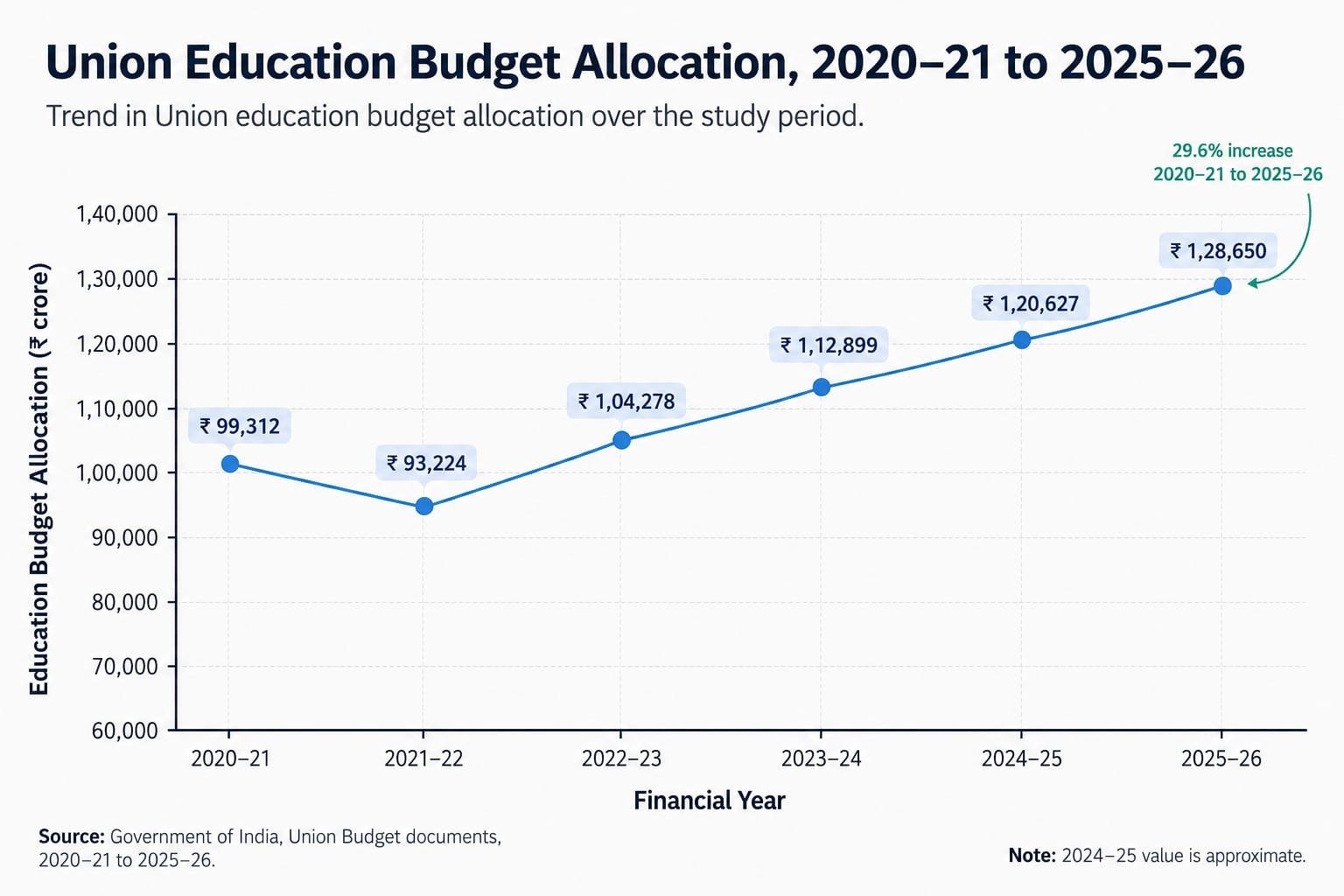
Figure 1. Union Budget Trend in Education Expenditure (2020-2026)
2.2 Education Policy & Budget Implementation
While increased public expenditure has strengthened educational investment in India, the literature suggests that its effectiveness depends not only on the level of financial allocation but also on how effectively policies and schemes are implemented. Consequently, recent scholarship has increasingly shifted from examining budgetary commitments alone towards understanding the institutional and administrative factors that shape the translation of financial resources into educational outcomes.
2.2.1 Implementation of Major Education Policies and Schemes
The literature on major education policies and schemes—including the National Education Policy (NEP), 2020, the Right to Education (RTE) Act, 2009, Samagra Shiksha and PM SHRI—largely converges on the view that policy expansion alone does not guarantee improvements in educational outcomes. While these initiatives seek to improve access, inclusion, infrastructure and quality, their effectiveness is strongly influenced by the availability, release and utilisation of financial and administrative resources. The NEP (2020) for instance, recommends increasing public expenditure on education to 6% of GDP, highlighting the importance of adequate public financing, while the World Bank (2022) along with Patel (2026), Ghumman (2025) amongst many other noted that the actual public expenditure though stands at a considerable low of 3.8%. However, the literature also indicates that the challenge extends beyond the availability of funds. Studies examining the implementation of RTE, Samagra Shiksha and other government interventions identify delays in fund release, limited institutional capacity, weak retention and utilisation of funds, and uneven implementation across states.
Thus, while some studies emphasise the adequacy of financial resources, others draw attention to the capacity of institutions to convert allocated resources into actual expenditure and educational outcomes. These perspectives are complementary rather than contradictory, as inadequate funding can constrain policy implementation while weak administrative capacity can prevent available resources from being effectively utilised. Taken together, the literature suggests that successful education policy implementation depends on the interaction between financial allocation, fund utilisation and institutional capacity. This provides an important basis for examining whether gaps between budget allocation and actual expenditure reflect financial constraints, implementation challenges, or both.
2.2.2 Maharashtra and Delhi Case Study
Evidence from Delhi and Maharashtra further demonstrates that educational outcomes cannot be explained solely by differences in financial allocation. In Delhi, where public investment in school education has been relatively high, Bose and Sharma (2023) identify implementation challenges such as classroom shortages and declining utilisation of Samagra Shiksha funds during the pandemic. This indicates that higher financial allocation does not necessarily translate into proportional utilisation or improvements in educational infrastructure. Evidence from Maharashtra presents a similar pattern, although within a different institutional and socio-economic context. Studies by the Accountability Initiative (2012) highlights persistent infrastructure gaps, educational inequalities and administrative challenges despite improvements in enrolment and access.
Although the specific constraints identified in the two states differ, the studies point towards a common issue: the conversion of financial resources and policy provisions into actual educational delivery is mediated by governance and implementation capacity. Delhi therefore illustrates how relatively greater investment may still be accompanied by utilisation and implementation challenges, while Maharashtra demonstrates how improvements in access may coexist with infrastructure and administrative limitations. The comparison suggests that the effectiveness of educational expenditure depends not simply on how much is allocated, but on how efficiently resources are released, utilised and translated into intended outcomes.
However, existing studies largely examine individual policies, schemes or state-specific implementation issues, with limited comparative attention to the relationship between budget allocation and actual expenditure in Delhi and Maharashtra over a consistent time period. This creates a research gap that the present study seeks to address by examining the budget–expenditure gap in government secondary and senior secondary education in the two states during 2018–2026, while also considering the implementation and institutional factors that may contribute to this gap.
2.3 Theoretical Grounding of Policy Implementation
While existing literature establishes that public expenditure on education has increased over time, scholars increasingly argue that financial allocation alone cannot guarantee effective policy implementation or improved educational outcomes. The relationship between expenditure and outcomes is mediated by the institutional processes through which policies and resources move from higher levels of government to schools and, ultimately, to students. Two complementary theoretical perspectives, Pressman and Wildavsky’s (1973), Implementation Theory and Lipsky’s ‘Street-Level Bureaucracy’, help explain these processes.
Pressman and Wildavsky (1973) emphasise that policy formulation is only the beginning of the policy process and that implementation becomes increasingly complex as policies pass through multiple administrative and institutional levels. Each stage creates possibilities for delays, coordination failures and administrative constraints, which can weaken the intended outcomes of a policy. This perspective is particularly relevant to education financing, where funds and policy directives may move across several levels before reaching schools. Thus, a higher budget allocation may not necessarily result in equivalent expenditure or effective delivery if implementation is disrupted at intermediate levels.
Lipsky (1980) extends this institutional perspective by shifting attention from administrative structures to the frontline actors who translate policies into everyday practice. Teachers, school administrators and local education officials exercise discretion in allocating time, resources and attention while implementing government programmes. Consequently, even when funds reach schools, their actual impact may vary depending on how these actors interpret and implement policy provisions. In this sense, Lipsky’s (1980) perspective complements Pressman and Wildavsky (1973) while the latter helps explain where and why implementation can break down across administrative levels, Lipsky helps explain how implementation is shaped at the point of delivery.
Together, these theories provide a useful framework for understanding the relationship between budget allocation, expenditure utilisation and educational experience. Implementation Theory draws attention to institutional coordination and administrative processes, whereas Street-Level Bureaucracy highlights the role of frontline actors in determining how policies are experienced within schools. The combined framework therefore suggests that an expenditure gap should not be viewed merely as a financial discrepancy; it may also reflect institutional bottlenecks, administrative decisions and variations in implementation at the school level.
This theoretical perspective also reveals an important limitation in existing research. Much of the literature evaluates implementation through administrative indicators such as expenditure utilisation, infrastructure provision and programme coverage, while comparatively less attention is given to how these implementation processes are experienced by students. The present study builds on this theoretical gap by examining how public expenditure and policy implementation translate into the everyday educational experiences of students in government schools in Delhi and Maharashtra.
2.4 Evidence on Educational Outcomes
Empirical research on public expenditure in education has primarily assessed its effectiveness through outcomes such as learning achievement, enrolment, retention, school completion and infrastructure. However, the evidence indicates that improvements across these indicators do not necessarily occur simultaneously, suggesting that the relationship between expenditure and educational outcomes is influenced by the effectiveness with which resources are implemented and utilised.
Recent evidence from ASER (2024) and UDISE+ (2023–24) illustrates this distinction. ASER (2024) reports signs of post-pandemic recovery in foundational learning, particularly among students in government schools, but also identifies a substantial proportion of children who continue to struggle with basic reading and mathematical skills. UDISE+ (2023–24), in comparison, records improvements in enrolment, school infrastructure and the availability of basic facilities, while continuing to highlight gaps in digital access. The contrast between improvements in institutional indicators and the persistence of learning deficits suggests that the provision of infrastructure and other educational inputs does not automatically translate into equivalent improvements in learning.
This relationship between resources and outcomes is further supported by recent empirical studies. Varughese and Bairagya (2025) emphasise that the effectiveness of public expenditure depends on the efficiency with which educational resources are converted into improvements in access and educational attainment. Similarly, Ghumman (2025) identifies considerable interstate variation in the efficiency with which public educational expenditure translates into secondary school completion. While these studies differ in their indicators and analytical approaches, they converge on the importance of resource utilisation and institutional efficiency, rather than expenditure levels alone, in determining educational outcomes.
Taken together, the evidence from large-scale datasets and empirical studies suggests a layered relationship: financial resources influence the availability of educational inputs; implementation determines how effectively these resources are converted into services; and the quality and accessibility of these services shape educational outcomes. This also connects the empirical evidence with the theoretical perspectives discussed above. The implementation challenges identified by Pressman and Wildavsky (1973) and the frontline discretion highlighted by Lipsky (1980) can help explain why similar levels of public investment may produce different outcomes across schools and states.
However, existing research generally examines these dimensions separately. Studies of public expenditure focus on allocation and efficiency, policy research examines implementation, and outcome-based studies primarily assess enrolment, infrastructure or learning achievement. Comparatively limited research brings these dimensions together to examine how budget allocation, expenditure utilisation , policy implementation , educational experience and outcomes are connected. Moreover, students’ own experiences of how public expenditure and government schemes translate into classroom resources, learning environments and access to services remain relatively underexplored.
The present study seeks to address this gap by connecting financial allocation and expenditure with policy implementation and the everyday educational experiences of students in Delhi and Maharashtra.
2.5 Delhi and Maharashtra as Policy Contexts
Existing literature demonstrates that public expenditure in education cannot be understood only in terms of the amount allocated, but must also be examined through governance, implementation and the extent to which financial resources translate into educational outcomes. Motkuri and Revathi (2020) and Ansari (2019) highlight the importance of public expenditure nstitutional processes in shaping educational provision, while Bose and Sharma (2023) further emphasise the role of governance and implementation in determining the effectiveness of educational investments. Similarly, study Patel (2026) illustrates how variations in expenditure, infrastructure and policy implementation influence the functioning of education systems across states. The Accountability Initiative (2012) further complements these findings by demonstrating that the effectiveness of public spending is closely connected to implementation and institutional capacity.
Within this broader literature, Delhi and Maharashtra provide useful comparative contexts because their education systems reflect different patterns of public investment and implementation. Delhi has received considerable attention for its relatively higher public investment and governance-oriented reforms, whereas Maharashtra presents a more diverse educational landscape characterised by regional variations in educational provision and implementation. Thus, while existing studies establish that expenditure and governance matter, comparing these two contexts can help examine whether differences in public investment and implementation are reflected in students’ educational experiences.
However, the existing literature has predominantly evaluated education systems through administrative and measurable indicators such as budget allocation, infrastructure, enrolment, transition rates and scheme implementation. Although Motkuri and Revathi (2020), Bose and Sharma (2023) and the Accountability Initiative (2012) provide important evidence on expenditure and implementation, these approaches provide limited insight into how students themselves experience the outcomes of public investment. Consequently, the connection between and ifinancial allocation and students’ everyday experiences of infrastructure, classroom environments, digital resources and welfare schemes remains insufficiently explored.
This limitation is particularly relevant for Delhi and Maharashtra because much of the existing empirical work examines the two states separately rather than through a comparative framework. State-specific studies provide valuable information about expenditure and educational development, but they offer limited evidence on how differences in financial allocation and policy implementation may produce different experiences among students. Moreover, the literature relies heavily on secondary sources such as UDISE+ (2023-2024), government budget documents, policy reports and administrative datasets. While these sources are useful for assessing institutional performance and expenditure patterns, they cannot fully capture students’ perceptions of whether educational resources and government schemes are adequate or accessible in their everyday lives.
Therefore, the present study seeks to bridge these strands of literature by bringing together public expenditure, policy implementation and students’ lived experiences within a comparative framework.
By examining Delhi and Maharashtra alongside students’ perspectives, the study moves beyond assessing whether funds are allocated and implemented to exploring whether public investment translates into meaningful educational experiences at the secondary and senior secondary levels. In doing so, it addresses the gap between financial inputs, implementation processes and the experiences of the intended beneficiaries of public education.
2.6 Gaps in Existing Literature
The review of existing literature identifies three major gaps:
First, existing literature has primarily examined public expenditure through an institutional and administrative lens, while limited attention has been paid to students’ lived experiences as the primary beneficiaries of educational investments Motkuri & Revathi (2020), Rajeshwari & Rassendren (2021) UDISE+ (2023–24), ASER (2024).
The present study addresses this gap by examining how students themselves perceive the adequacy of educational resources, government schemes and school experiences, thereby incorporating the beneficiary perspective into the analysis of public expenditure.
Secondly, the comparative policy analysis of Delhi and Maharashtra with respect to differences in public expenditure and their impact on students’ lived realities remains limited, as these states have largely been examined independently (Bose & Sharma, 2023; Accountability Initiative, 2012).
This study addresses this gap through a comparative analysis of Delhi and Maharashtra to examine how discrepancies in public expenditure and policy implementation are reflected in students’ educational experiences across the two states.
Third, the existing literature lacks a consolidated analytical framework that connects budget allocation, policy implementation and students’ educational experiences within a single study (Pressman & Wildavsky, 1973; Lipsky, 1980; Rajeshwari & Rassendren, 2021).
The present study addresses this gap by examining the relationship between public expenditure, policy implementation and students’ lived experiences within a comparative framework, thereby providing a more extensive understanding of the effectiveness of educational expenditure
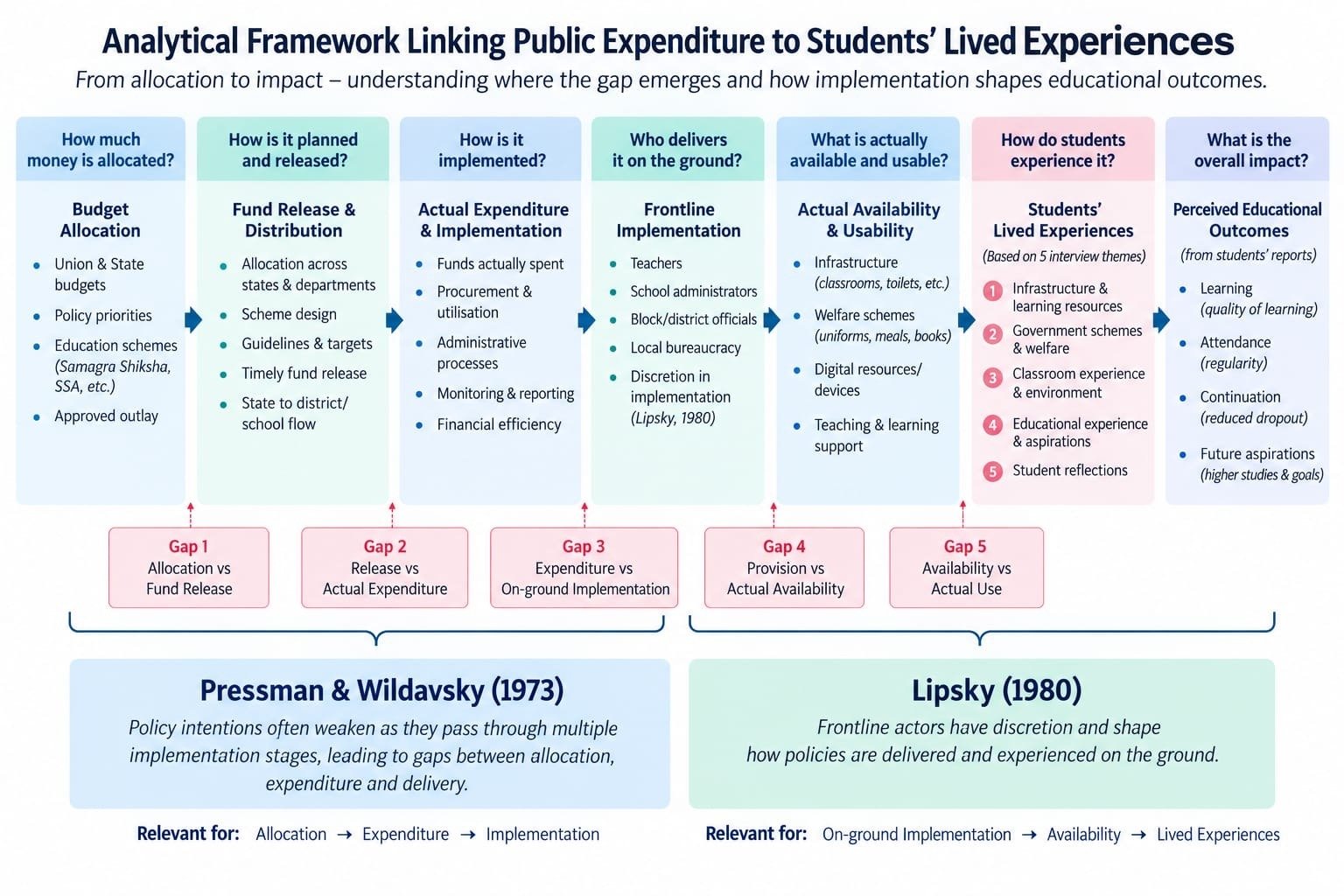
Figure 2. Analytical Framework of the Study
METHODOLOGY
3.1 Research Design
By adopting a qualitative research design, this study comparatively examined how quantitative public expenditure on education impacts students’ lived educational experiences through policy implementation in Delhi-NCR and Maharashtra.
Considered an appropriate methodological approach, the study helped in understanding students’ perceptions and experiences, which have not been adequately recorded through administrative or institutional indicators alone. By bridging this gap, the study combined secondary analysis of education budgets, expenditure allocations, policy reports and official datasets with primary data collected through semi-structured interviews with government school students.
3.2 Study Area
The study was conducted across Delhi-NCR and Maharashtra, providing a comparative insight into two different educational and administrative contexts.
Both settings have witnessed public expenditure on education alongside the implementation of major welfare and educational reforms. Instead of simply distinguishing the performance of the two states, the research examined how these policy commitments were understood and experienced within different governance systems, demographic contexts and administrative structures, thereby shaping students’ educational experiences in distinct ways.
3.3 Sampling Strategy
By selecting the Purposive Sampling method, this study narrowed down the participants based on their relevance to the research objectives. Public school students were chosen as they are the direct recipients of the government’s educational policies and schemes. The age group 12–18 years was selected as the target age group since students were able to communicate their educational experiences in a meaningful way.
A total of 33 participants were selected to facilitate in-depth analysis of their experiences and perceptions as presented in Figure 3.
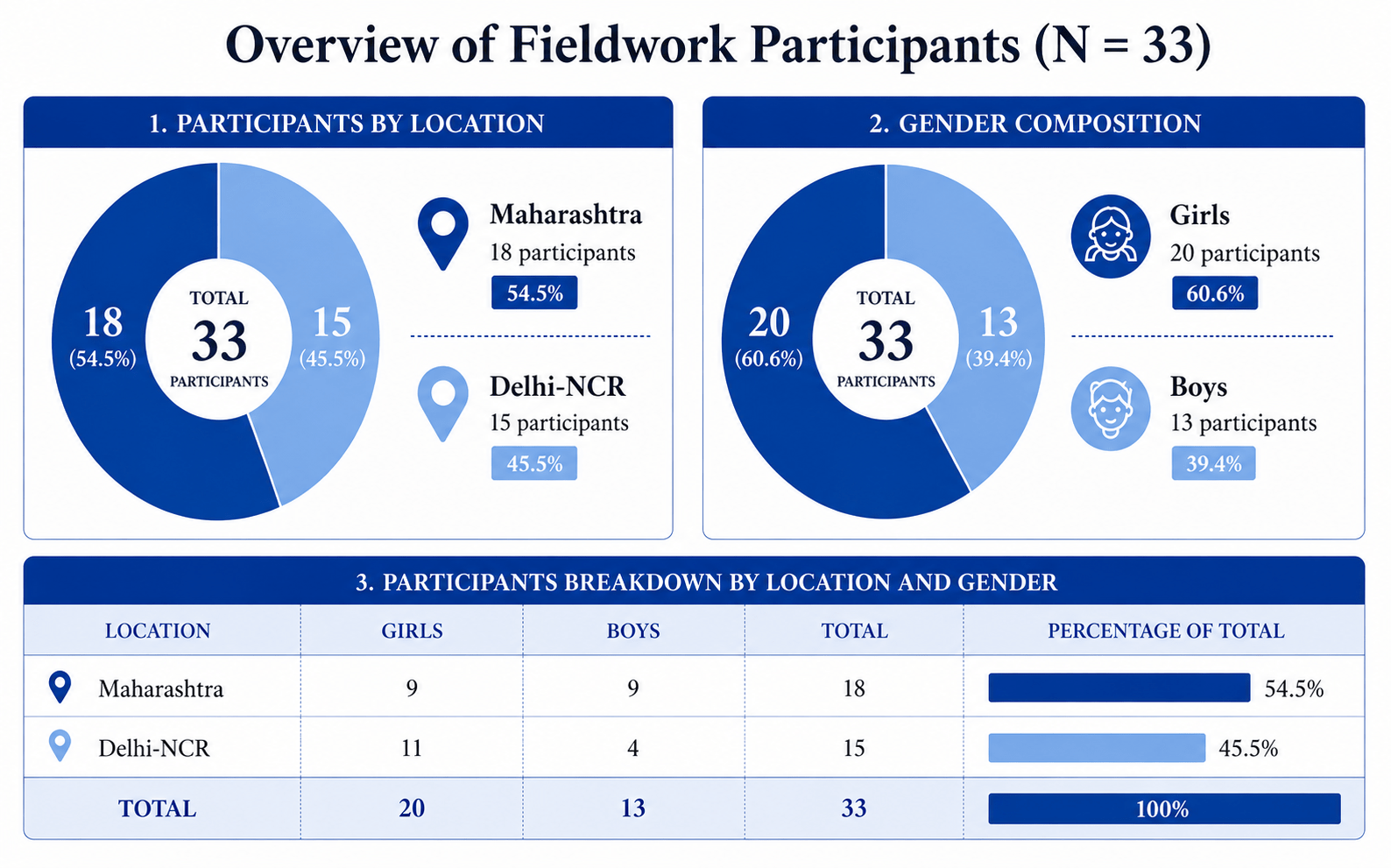
Figure 3..Profile of Study Participants (N = 33)
3.4 Field Site
Interviews were conducted in residential communities rather than on institutional grounds to create a neutral and familiar environment where students could express their views freely, without the influence of teachers, school authorities or the institutional setting.
This setting helped to reduce response bias, encouraging more honest and detailed accounts of their educational experiences. Prior to participation, respondents went through a screening process to confirm their enrolment in government schools in Delhi-NCR and Maharashtra and that they fell within the study’s target age group of 12 to 18 years.
3.5 Data Collection
To obtain descriptive insights from the students, data collection relied on semi-structured interviews to capture detailed, firsthand accounts of students’ lived experiences. The interviews were guided and developed around core themes including public expenditure effectiveness, COVID-19 and post-COVID-19 barriers, digital infrastructure access and school infrastructure. These interviews were supplemented by detailed field notes recorded during school visits and documented observations regarding school infrastructure alongside students’ responses to the resources provided.
3.6 Data Analysis
The collected interviews were transcribed and coded through thematic analysis to systematically identify recurring patterns within participants’ responses. Codes and patterns that were alike were grouped into broader themes related to ground-level policy implementation, resource distribution and utilisation, educational equality and students’ lived educational experiences. Taken as an analytical lens, these themes helped understand how public expenditure was experienced at the ground level in Delhi-NCR and Maharashtra.
3.7 Ethical Considerations
The study was conducted in accordance with ethical norms. Prior to data collection, participants were asked for their verbal consent, and children’s assent was sought. Participation was voluntary, with the right to withdraw at any point. All respondents were guaranteed anonymity and confidentiality, and no personally identifiable information was shared.
3.8 Limitations of the Study
As this study was limited to a small qualitative sample of public school students from Delhi-NCR and Maharashtra,the findings cannot be generalised to the wider population of government school students.
Keeping in mind the geographical remoteness of some researchers, the study was conducted not only through an assessment of the available secondary data but also through the researchers’ accessibility to the field sites. As only a few members of the research team were based in these states, participant outreach was rather constrained, which geographically limited the researchers’ exposure to children across different locations and restricted the range of experiences that could be captured through the fieldwork.
Consequently, the findings remain context-specific and reflect the experiences of participants who could be reached within the practical constraints of the study.
Additionally, the study relied on students’ self-reported experiences, which reflect their individual perceptions and recollections of educational resources, welfare schemes and policy implementation. Differences in students’ awareness, understanding and recall may have influenced their responses. However, the use of semi-structured interviews allowed students to describe their experiences in their own words and provided insights that may not be captured through administrative or institutional data alone.
FINDINGS AND ANALYSIS
The qualitative data gathered from the semi-structured interviews gives a chance to explore public expenditures beyond budgetary allocation and performance metrics.
Through the identification of the students as the target population for the educational policy, the research explores the manner in which financial investments have resulted in practical experiences of learning within the two states of Delhi and Maharashtra. It is important to note that the study does not seek to compare the two states in order to place them into some form of that the study does not seek to compare the two states in order to place them into some form of ranking, but to conduct a contextual policy analysis.
4.1 Provision of Infrastructure and the Utility of Public Spending
The primary fieldwork data indicates that public spending has supported basic educational infrastructure across both states. Electricity, blackboards, computer labs and washrooms were reported as present. In Maharashtra, all 18 participants who had studied in public schools for periods ranging from 3 to 10 years described visible improvements in facilities over this period.
All students across Classes VI to XII also narrated the addition of “Smart Board Projectors” in classrooms, along with similar infrastructural improvements, thus supporting Patel’s (2026) analysis of increasing infrastructural development as one of the main objectives of welfare schemes and programmes.
Although in Delhi-NCR, participants’ lived realities pointed to a distinction between the presence of infrastructure and its everyday usability. Electricity shortages, washroom conditions, weak internet connectivity and underused computer labs shaped how available infrastructure could actually be used. All 15 students across Classes VI to XII in different localities described the washrooms as unclean and unusable, and all 11 girls in particular reported that they waited throughout the school hours rather than using them, which sometimes led to sickness.Reaffirming the observation of Bose and Sharma (2023) that Delhi’s educational conditions cannot be analysed simply through spending levels alone.
In Maharashtra as well, variations appeared between institutions. While Vidyavihar’s robotics and smart classrooms existed, Vikhroli’s more basic facilities reflected the cumulative state of lack of implementation noted in Ghumman (2025) regarding uneven infrastructural provision in rural areas. Cumulatively, this suggests that in both contexts, the policy focus has moved beyond simply building infrastructural amenities towards their realistic maintenance and usability.
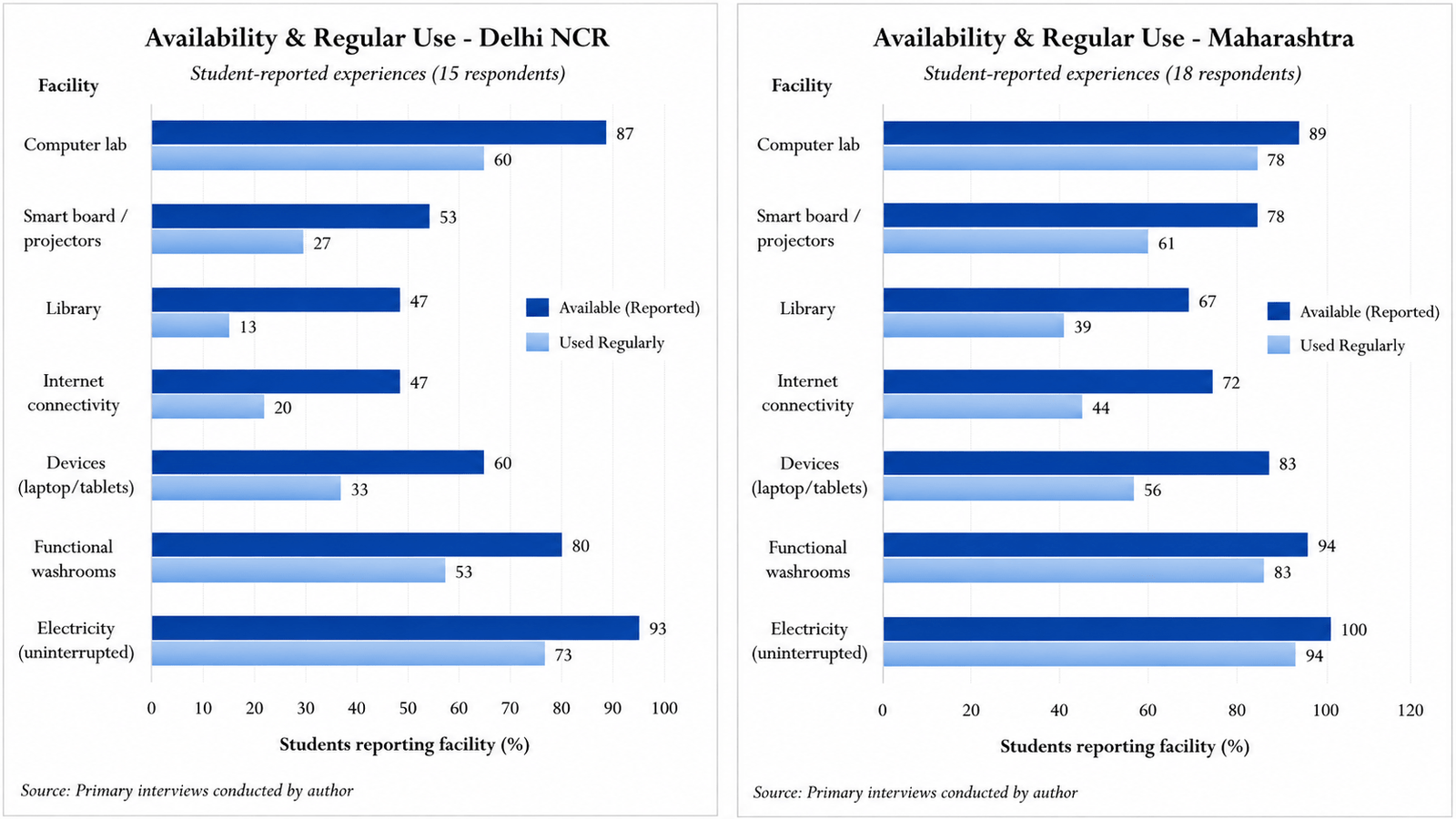
Figure 4. Depicts students’ reported access to and use of key school facilities across Delhi-NCR and Maharashtra, figures are based on the total number of participants in each setting, with Delhi-NCR (N=15) and Maharashtra (N=18) each treated as 100%.
4.2 Welfare Spending and Educational Equality
Emerging welfare programmes and schemes represent a visible form of educational expenditure in both settings, forming a central part of the implementation strategy through schemes such as PM Poshan and Samagra Shiksha, Patel (2026).
In Maharashtra, students reported receiving textbooks, uniforms, shoes, medical check-ups and hygiene products, which helped offset the hidden costs of schooling. All 9 girls interviewed in Maharashtra reported consistent access to sanitary pads among the welfare benefits that reduced the financial burden on their families.
In Delhi-NCR, students described comparable forms of support, including uniforms, books and nutritional guidance, though accounts of inconsistent transfers were also reported, with some students receiving less support than others, or none at all. Among the 11 girls interviewed in Delhi-NCR, 6 reported receiving sanitary pads only once across their schooling years, while the remaining 5 reported never having received them.
This complicates Patel’s (2026) account of the Centre’s growing emphasis on “equitable access to education” as central to welfare scheme design, a claim also questioned by Ghumman (2025) which noted underuse of allocations among students outside flagship schemes. A few students also reported instances of “unequal funds” being credited to their accounts, intended for uniforms and study material.
These accounts align with Pressman & Wildavsky’s (1973) observation that access alone does not produce equity: welfare schemes can reduce cost barriers, but whether they reach students consistently is determined by the street level bureaucrats and if their interests align with the interest of those forming the policies . This highlights that the relevant question in each context is not simply whether welfare spending occurs, but whether it reaches students reliably enough to sustain their education.
The findings show greater consistency in welfare access in Maharashtra, while Delhi-NCR reflects more uneven delivery, particularly in access to sanitary products. This highlights the gap between the provision of welfare schemes and their consistent implementation at the student level.
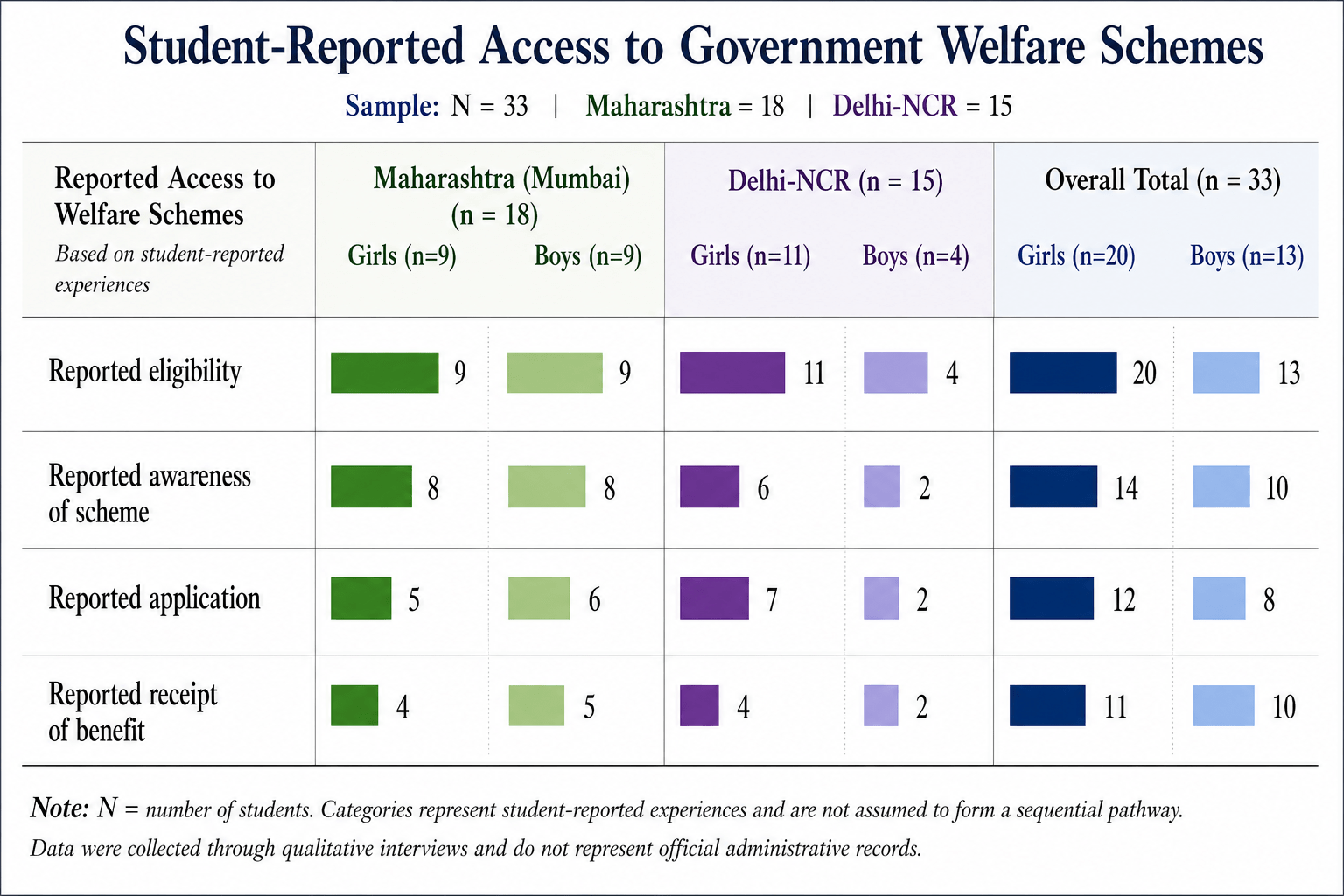
Figure 5. Helps understand the reported access to major welfare schemes among students across Delhi-NCR and Maharashtra.
4.3 Policy Translation and the Implementation Gap
Thus Pressman and Wildavsky’s (1973) ‘Implementation Theory’, described how policy outcomes can diverge from their original intentions across the various stages of implementation.
4.4 Teachers as Frontline Implementers of Educational Policy
Pedagogical relationships emerged as a significant dimension of implementation in both states. In Maharashtra, students described instances where teachers were supportive, regularly taking classes and creating a secure classroom atmosphere. All students of Classes XI and XII felt comfortable approaching teachers for academic support, describing them as encouraging and helping them map out their career paths. This brings out the importance of improving the three important aspects of public education: Research, Infrastructure and Skilled professionals, noted by Ghumman (2025).
In Delhi-NCR, student accounts varied more widely within the same policy context. While a few students described supportive and approachable teachers, others pointed to disengagement, absenteeism, uneven attention and even harsh discipline, with some relying on self-study to fill learning gaps. A majority of the students, Classes VII to XI, reported instances where they were asked to study several subjects at home instead of being taught within the classroom setting. These findings trace back to Lipsky’s (1980) ‘Street-Level Bureaucracy’ theory, which accounts for frontline workers as those who shape how policy is actually experienced by those it serves. Across both contexts, the findings suggest that classrooms, textbooks and welfare provisions depend on frontline engagement to translate into educational quality.
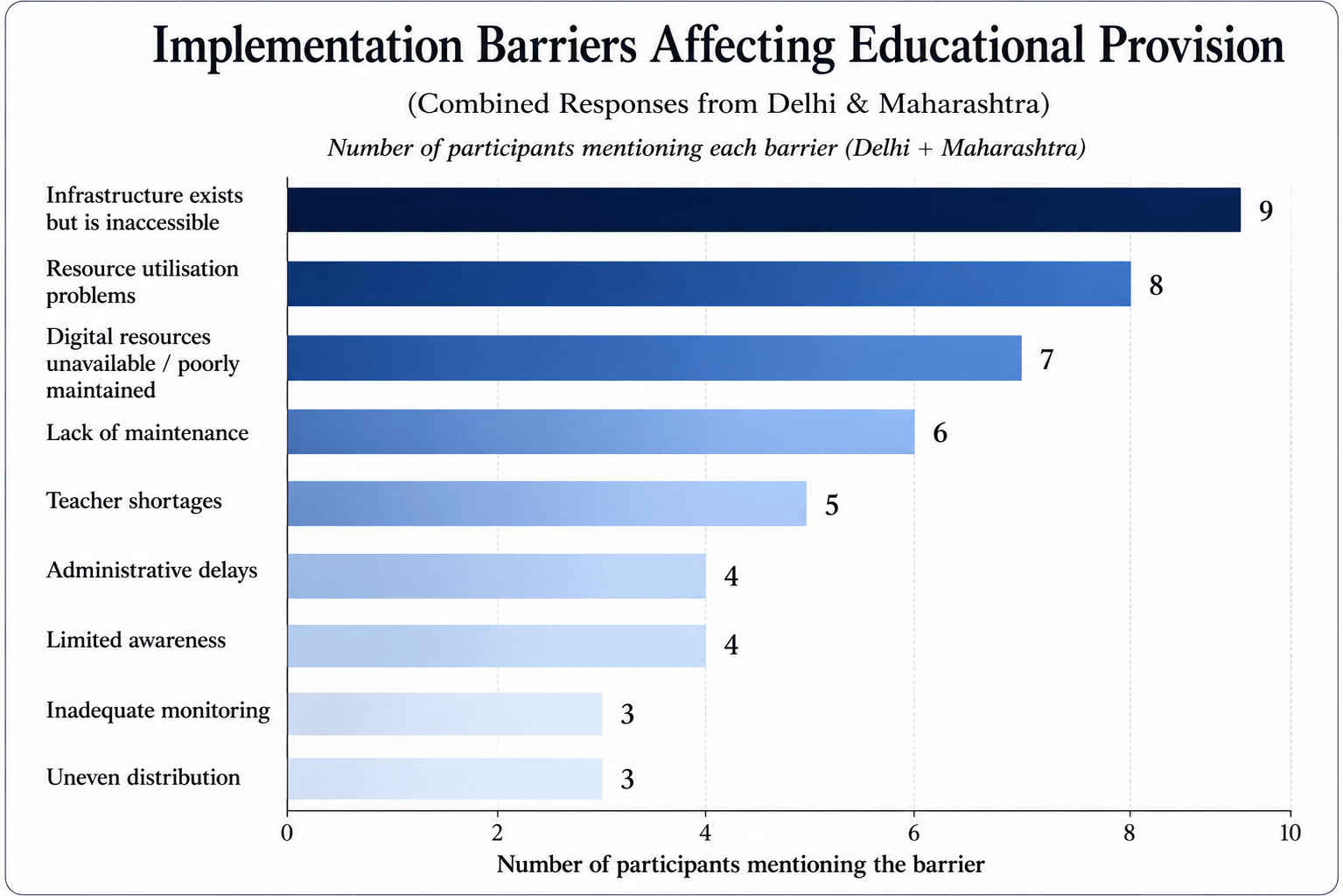
Figure 6. highlights the difference between the intended delivery of educational provisions and their actual experience at the school level, particularly in relation to welfare delivery, infrastructure, digital access and classroom support.
4.5 Digital Infrastructure and Educational Resilience
COVID-19 proved to be a natural test of implementation and its capacity in each setting. This was also a period that recorded a decline in the allocation of funds by the centre in 2021–2022, as noted by Patel (2026), which contributed to problems faced by students at the ground level.
In Maharashtra, 13–15 students out of the 18 described continuity of classes via Zoom despite having connectivity limitations. This helped maintain some continuity of learning. Students across Classes VII to XII expressed that online modes of teaching helped them continue their studies and cope with the curriculum until the onset of in-person classes.
A different perspective was recorded among students in Delhi-NCR, who described a different pattern, where all 15 students reported that online classes were often unavailable or irregular, contributing to learning loss after schools reopened. This pattern is consistent with Bose and Sharma’s (2023) documentation of lower Samagra Shiksha spending in Delhi during this period, also analysed by Patel (2026) through budget trends across 2020–2025.
All of the 7 students in Classes XI and XII described falling up to four years behind in their academic progress as a result of this disruption, highlighting the long-term vulnerability created by inconsistent digital access during the pandemic.
Together, these accounts suggest that digital infrastructure cannot be measured through hardware availability alone; it depends on connectivity, teacher readiness and institutional preparation. What these findings describe as digital educational resilience is therefore distinct from digital infrastructure itself.
4.6 Development and Support of Students
In Maharashtra, interviews recorded a wider choice of programmes, including self-defence, yoga, life skills education and sports, alongside supportive teacher–student relationships. Students expressed that these activities contributed to their overall development and practical learning, suggesting a broader approach to educational support beyond classroom instruction.
In a separate context, students in Delhi-NCR expressed a lack of extracurricular activities, counselling and mental well-being support. Older students, in particular, expressed uncertainty about further studies and career paths, alongside feelings of being demotivated and unheard. Students of Classes XI and XII pointed to a lack of career counselling and general support, alongside accounts of discriminatory behaviour faced by students of Humanities and Commerce.
As the sample spans ages 12 to 18, this gap in career-related support is not a marginal finding but points to a distinct service dimension worth attention in its own right. It serves as a reminder that educational experience is not captured by enrollment numbers and school buildings alone.
4.7 Public Expenditure as an Actualised Education Experience
Analysing these accounts together, both expenditure and educational experience are neither automatic nor unipolar, as they take different forms depending on the varying institutional contexts.
In Maharashtra, the visibility of welfare schemes, inclusion of holistic programmes and teacher support remained prominent themes, alongside variations between institutions. In Delhi-NCR, considerable infrastructure and policy presence coexisted with implementation gaps and uneven delivery.
Implementation quality, located in administrative processes by Pressman and Wildavsky (1973) and in frontline actors by Lipsky (1980), emerges as the key link between spending and experience in each context.Ultimately, the qualitative approach treats students not as inactive recipients but as informed observers of policy, revealing where expenditure is visible, where its value is diminished and where it fails to transform into lived educational experience.
DISCUSSION
The findings recorded that budget and expenditure data alone do not adequately explain the effectiveness of public education spending. Student lived experiences suggest that it is not only the level of investment, but how it is implemented, distributed and made accessible, that determines whether spending produces meaningful educational experiences.
Both Delhi-NCR and Maharashtra have witnessed investment in infrastructure and welfare schemes, yet the presence of these provisions does not confirm that they are being used effectively. Student lived realities continue to be shaped by inconsistent infrastructural maintenance, uneven teacher engagement, delays in welfare delivery, gaps in digital readiness and differences in wider student support.
Extending the theoretical arguments of Pressman and Wildavsky (1973) and Lipsky (1980), the findings affirm that policy outcomes are shaped by both the implementation process and frontline actors, rather than by initial allocations alone. The variations observed across infrastructure, welfare, teacher engagement, digital access and student support demonstrate that similar policy commitments can result in different educational experiences across institutional contexts. The policy implementation between Delhi-NCR and Maharashtra therefore highlights that expenditure becomes meaningful only when resources are consistently delivered, usable and accessible to students.
By highlighting the perspective of students, which is often absent from research focusing on financial and administrative data, this study extends past literature that largely concentrates on financial trends of expenditure. Student accounts provide a practical grounding to recorded expenditure, revealing where spending is visible, where its value is diminished through implementation gaps, and where it fails to transform into lived educational experience.
The study is limited to a small qualitative sample of public school students from Delhi-NCR and Maharashtra, restricting the generalisability of the findings. Geographical accessibility also constrained participant outreach, as only a few members of the research team were based in these states, limiting exposure to children across different locations. Additionally, as the study relies on semi-structured interviews, the findings reflect students’ self-reported experiences and perceptions. The experiences of younger children and those not enrolled in school also remain outside the scope of this study.
Despite these limitations, the study provides a student-centred perspective on education spending, demonstrating that public expenditure cannot be understood through financial allocation alone.
The findings ultimately suggest that the movement from expenditure to implementation and from implementation to lived educational experience is what determines how public spending is actually experienced by students.
CONCLUSION
This study observed that the increase in public spending does not confirm a better educational experience rather a ground-level implementation bridges financial resources and students’ lived educational experiences.
Drawing on interviews with 33 students across Delhi-NCR and Maharashtra, the findings suggest that while infrastructure was present across both contexts, its usability and maintenance varied. Delhi-NCR participants reported persistent issues around washrooms, electricity and connectivity, while Maharashtra participants reported more visible developments such as smart classroom technology, alongside wider welfare and developmental support.
These findings strongly reflect Pressman and Wildavsky’s (1973), ‘Implementation Theory’, which emphasises that policy outcomes depend on how successfully policies move through different stages of implementation. The presence of infrastructure and welfare provisions across the two contexts did not always ensure their effective utilisation. Delays in welfare delivery, inconsistent disbursement of resources, weak maintenance and administrative hurdles demonstrate how implementation processes can weaken the intended outcomes of public expenditure.
Tracing back to Lipsky (1980), and his ‘Street-Level Bureaucracy Theory’ ,the primary data particularly in relation to the role of teachers and other frontline actors plays an important role in shaping students’ actual experiences of educational policies. Variations in teacher engagement, classroom support, absenteeism and the treatment of students demonstrate that the implementation of educational policy is influenced not only by formal allocations but also by the actions and discretion of those responsible for delivering services at the school level.
Yet in both contexts, students did not consistently describe corresponding improvements in classroom learning quality, indicating that infrastructure gains, whether minimal or substantial, do not automatically translate into better educational experiences. Therefore reinforcing the central argument of this study, the effectiveness of public education expenditure depends not merely on the amount allocated, but on the quality of implementation and the manner in which policies are experienced at the school level.
By connecting public expenditure with implementation processes and students’ lived experiences, the study extends the existing literature beyond purely financial and administrative indicators.
The small, targeted sample limits generalisability, but the findings provide a student-centred perspective on how implementation processes shape the lived outcomes of public investment and lay the groundwork for future research across a broader demographic.
Future Suggestions
- Ensure Infrastructure Usability: Funding for infrastructure should also include regular maintenance. Secondary data shows continued spending on infrastructure, while students reported poor washrooms, weak internet and electricity shortages in Delhi-NCR. School Management Committees (SMCs) should therefore have a stronger role in monitoring and maintaining school facilities. This can also help address infrastructure gaps reported across Maharashtra.
- Standardise Welfare Flows: Welfare schemes should have simpler and more regular delivery systems. While secondary data shows continued spending on welfare schemes, students reported delayed uniforms, uneven transfers and inconsistent meal quality. Regular monitoring should ensure that benefits reach students on time and in the intended form.
- Strengthen Monitoring and Accountability: A stronger multi-level system of checks and balances should track resources from allocation to delivery. This can connect secondary budget data with students’ actual experiences and help identify where funds, materials or benefits are delayed or fail to reach the intended beneficiaries.
- Activate Local Government and Zonal Monitoring: Local government bodies should create zonal-level units to regularly check whether students are receiving the benefits recorded under government schemes. These units can conduct regular audits across schools and create a communication link between public educational institutions and the grassroots face of government, allowing gaps reported by schools and students to reach the relevant authorities.
- Enhance Frontline and Student Support: Teachers should be given fewer non-academic responsibilities to focus on classroom teaching. This is particularly important given the absenteeism and uneven teacher support reported in Delhi-NCR. At the same time, the supportive teacher–student relationships and wider programmes reported in Maharashtra can be strengthened, alongside career counselling, mental health support, sports and life-skills programmes.
REFERENCES
Accountability Initiative. (2012). PAISA district study. Centre for Policy Research. https://accountabilityindia.in/sector/district-ssa/
Alvi, M., & Gupta, M. (2020). Learning in times of lockdown: How COVID-19 is affecting education and food security in India. Food Security, 12(4), 793–796. https://doi.org/10.1007/s12571-020-01065-4
Annual Status of Education Report. (2024). ASER 2024. ASER Centre. https://asercentre.org/aser-2024/
Ansari, T. H., & Khan, M. A. (2018). An analysis of public expenditure on education in India. World Wide Journal of Multidisciplinary Research and Development, 4(4), 89–92.http://Ansari, T. H., & Khan, M. A. (2018). An analysis of public expenditure on education in India. World Wide Journal of Multidisciplinary Research and Development, 4(4), 89–92.
Bazan, M., Dhongde, S., & Shonchoy, A. S. (2025). School closures and learning loss during the pandemic: Evidence from rural India. 20th Annual Conference on Economic Growth and Development, Indian Statistical Institute, New Delhi, India.http://Bazan, M., Dhongde, S., & Shonchoy, A. S. (2025). School closures and learning loss during the pandemic: Evidence from rural India. 20th Annual Conference on Economic Growth and Development, Indian Statistical Institute, New Delhi, India.
Bose, S. (2024). Right to education and the Union Budget: Need for renewed focus. Economic & Political Weekly, 59(10), 14–17.http://Bose, S. (2024). Right to education and the Union Budget: Need for renewed focus. Economic & Political Weekly, 59(10), 14–17.
Bose, S., & Sharma, H. (2023). Public spending on school education in Delhi: The gaps that COVID-19 highlights. National Coalition for Education. http://nceindia.org.in/wp-content/uploads/2023/03/Public-Spending-Delhi.pdf
Impact and Policy Research Institute (IMPRI). (2025, February 6). Education, S&T, R&D and Union Budget 2025–26[Conference panel]. IMPRI – Impact and Policy Research Institute.http://Impact and Policy Research Institute (IMPRI). (2025, February 6). Education, S&T, R&D and Union Budget 2025–26[Conference panel]. IMPRI – Impact and Policy Research Institute.
Lipsky, M. (1980). Street-level bureaucracy: Dilemmas of the individual in public services. Russell Sage Foundation.http://Lipsky, M. (1980). Street-level bureaucracy: Dilemmas of the individual in public services. Russell Sage Foundation.
Ministry of Education. (2022). Analysis of budgeted expenditure on education 2018–19 to 2020–21. Planning, Monitoring and Statistics Bureau, Government of India.http://Ministry of Education. (2022). Analysis of budgeted expenditure on education 2018–19 to 2020–21. Planning, Monitoring and Statistics Bureau, Government of India.
Ministry of Human Resource Development. (2020). National Education Policy 2020. Government of India.http://Ministry of Human Resource Development. (2020). National Education Policy 2020. Government of India.
Motkuri, V., & Revathi, E. (2023). Public expenditure on education in India: Trends and Centre-State allocations. Journal of Development Policy and Practice, 8(1). https://doi.org/10.1177/24551333231163949
Patel, H. (2026). A five-year budget trend analysis and evaluation of important priority areas for education financing in India (2020–2025). International Journal of Multidisciplinary Research and Growth Evaluation, 7(1), 382–387. https://doi.org/10.54660/.IJMRGE.2026.7.1.382-387
PM SHRI. (2022). PM SHRI schools scheme. Ministry of Education, Government of India.http://PM SHRI. (2022). PM SHRI schools scheme. Ministry of Education, Government of India.
Pressman, J. L., & Wildavsky, A. (1973). Implementation: How great expectations in Washington are dashed in Oakland. University of California Press.http://Pressman, J. L., & Wildavsky, A. (1973). Implementation: How great expectations in Washington are dashed in Oakland. University of California Press.
Rajeshwari, U. R., & Rassendren, M. J. G. (2021). Does public spending on elementary education actually improve learning outcome in India? Elementary Education Online, 20(2), 237–250. https://doi.org/10.17051/ilkonline.2021.02.24
Right of Children to Free and Compulsory Education Act, 2009. (2009). Government of India.http://Right of Children to Free and Compulsory Education Act, 2009. (2009). Government of India.
Samagra Shiksha Abhiyan. (2018). Samagra Shiksha scheme guidelines. Ministry of Education, Government of India.http://Samagra Shiksha Abhiyan. (2018). Samagra Shiksha scheme guidelines. Ministry of Education, Government of India.
UDISE+. (2024). UDISE+ 2023–24 booklet. Ministry of Education, Government of India. https://dashboard.udiseplus.gov.in/report-new-v.6-demo2025/static/media/UDISE+2023_24_Booklet_nep.f2ab818294eb169c0adc.pdf
Varughese, A. R., & Bairagya, I. (2025). Public and household financing of education in India: Are they substitutes or complements? World Development Perspectives, 39, 100703. https://doi.org/10.1016/j.wdp.2025.100703
World Bank. (2022). Government expenditure on education, total (% of GDP). World Bank Data. World Bank Data — Government expenditure on education