Authors:
Jyothi Sri Sushma Nadimpalli, Srushti Sandeep Salvi, Tanvi Santosh Jadhav, Vanshika Dheer, Vedant Khanna, Manju Devi, and Shreya Sharma
Abstract
Background
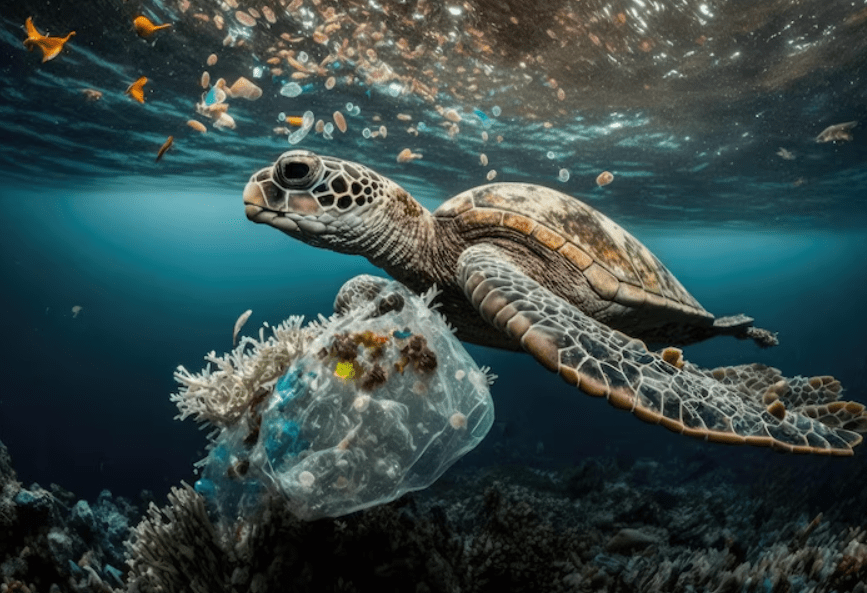
Plastic production and inadequate waste management are major threats to freshwater and marine ecosystems. While plastic leakage, transport, accumulation, and ecological impacts have been studied separately, this study adopts an integrated approach to assess the plastic pollution pathway and its ecological implications.
Methods
A descriptive secondary data analysis integrated four global datasets: OECD Global Plastics Outlook, UNEP Global Ocean Model, Atlas of Ocean Microplastics, and NOAA NCEI Marine Microplastics Database. Historical trends (1990–2019) and future projections (2019–2060) were assessed to examine plastic inputs, leakage, transport, accumulation, and ecological implications.
Results
Plastic production, waste generation, and leakage are projected to increase substantially by 2060 under the OECD business-as-usual scenario. Transport models and observational datasets show that plastic debris moves through interconnected aquatic systems and accumulates in hotspots, including subtropical gyres and high-risk river basins. The presence of macroplastics and microplastics indicates increasing ecological exposure and potential risks to aquatic organisms and ecosystems.
Conclusion
Integrating plastic leakage projections with transport and accumulation patterns provides a comprehensive understanding of the plastic pollution pathway. Effective waste management and leakage reduction strategies are essential to mitigate future ecological risks.
Introduction
At present time, excessive plastic waste of is one of the most common environmental problems and has a serious effect on both freshwater and saltwater environments. The continuous increase in the demand for the production of plastic, the development of the use of single-use plastics, the rapid urbanization process, and the poor waste management system for solid waste result in the continuous growth of plastic waste. Plastic waste can either be transported into the oceans by rivers (Meijer et al., 2021) enter the sea from coastal regions (Jambeck et al., 2015) and ships (Ryan et al., 2021), or be generated directly during use, e.g., through fishing activities. Unlike many biodegradable materials, plastic is unable to break down into harmless substances. The plastic production rate is increasing over time due to its diverse applications and advantages, and projections indicate that by 2060, the global plastic production rate could increase by 1100 Mt (Dris et al., 2017), potentially resulting in a substantial increase in plastic leakage into terrestrial and aquatic ecosystems, accelerating the formation of micro and macro plastic pollution, threatening biodiversity, disrupting ecosystem functions and species.
The degree to which plastic pollution affects ecosystems is not determined by the volume of plastic dumped into water today, but by the way it collects in water bodies. Microplastics are widely distributed in aquatic environments including freshwater, coastal, open ocean, deep sea and polar regions (Eo et al., 2019). The movement and fate of plastics in the marine environment is influenced primarily by hydrodynamic forces, such as discharge from rivers, ocean currents, tides, wind, and wave action. Thus, plastics do not disperse evenly and accumulate in specific areas in response to prevailing environmental conditions, leading to the development of concentrations of plastics, thereby altering ecological relationships in the marine ecosystem.
Plastic pollution is a phenomenon that has been studied a lot already, and it seems there is ample literature on this subject; however, most papers that deal with this topic only take one aspect of it into consideration, leaving out the other aspects of it. Previous research has examined trends in plastic production, waste generation, and environmental leakage, as well as future estimates, providing important insights into changes in plastic inputs into aquatic environments. However, these studies do not necessarily address how increasing plastic inputs may influence subsequent transport pathways, accumulation patterns, and ecological outcomes. Similarly, research on plastic transport and accumulation in aquatic systems has advanced understanding of the distribution and concentration of plastic debris. Still, it frequently does not consider potential impacts on aquatic organisms and ecosystem functioning. Therefore, an integrated strategy linking plastic leakage, transport pathways, accumulation patterns, and ecological implications is required to better understand the effects of increasing plastic pollution in aquatic environments.
To address this limitation, the present study adopts an integrative approach that links projected environmental plastic leakage with plastic inputs into rivers, their transport through interconnected aquatic systems, and the subsequent accumulation of macroplastics and microplastics, together with their potential ecological implications. It should be acknowledged that the future ecological consequences of plastic pollution depend not only on increasing plastic inputs into aquatic environments but also on the transport and accumulation processes that ultimately determine where plastic debris persists. Accordingly, this study is based on the proposition that, with environmental plastic leakage projected to increase by 2060, riverine and ocean transport processes are likely to contribute to greater accumulation of macroplastics and microplastics within aquatic hotspots, potentially increasing ecological pressures on aquatic ecosystems and threatening aquatic food webs.
Literature review
The rapid expansion of global plastic production and consumption has been widely recognised as a key driver of the escalating plastic pollution crisis. Since the large-scale commercialization of plastics in the 1950s, their low cost, durability, and versatility have led to widespread use across sectors such as packaging, healthcare, agriculture, and construction. Consequently, global plastic production has increased dramatically, rising from approximately 2 million tonnes annually in 1950 to an estimated 8.3 billion tonnes of virgin plastic produced by 2015, generating more than 6.3 billion tonnes of plastic waste (Geyer et al., 2017). This upward trend is expected to continue over the coming decades, with projections indicating a substantial increase in global plastic production under current production and consumption patterns (Mohajan, 2025).
The ongoing rise in worldwide plastic production has created escalating demands on waste management systems across the globe. As plastic waste volumes keep increasing, current waste management and recycling infrastructures have struggled to keep up, leading to a growing quantity of improperly managed plastic waste (Geyer et al., 2017). Plastic leakage into aquatic ecosystems has become one of the most significant consequences of inadequate waste management. Massive volumes of plastic waste continue to escape into the environment and ultimately enter freshwater and marine ecosystems, contributing to the growing burden of aquatic plastic pollution. Without effective interventions, plastic leakage into aquatic ecosystems is projected to continue increasing under current production and consumption trajectories (Jambeck et al., 2015; Borrelle et al., 2020).
Plastic waste enters aquatic systems through multiple pathways, including drainage networks, rivers, estuaries, and coastal waters. It is then transported through interconnected freshwater and marine environments before reaching downstream marine ecosystems. River systems play a critical role in this process, serving as major transport pathways that convey land-based plastic debris over long distances. Because natural waterways connect regions and countries, plastic debris can be redistributed far from its original source, transforming localized pollution into a global environmental challenge (Lebreton et al., 2017; Meijer et al., 2021; van Emmerik & Schwarz, 2020).
However, rivers do more than simply transport plastic to the oceans; they also act as temporary reservoirs where debris can be retained, redistributed, and remobilized. The transport and retention of plastic within river systems are influenced by hydrological and geomorphological factors, including river flow, channel morphology, vegetation, and seasonal fluctuations, which determine whether plastic is transported downstream or temporarily retained within river channels and floodplains. (van Emmerik & Schwarz, 2020; Roebroek et al., 2021).
Additionally, plastic transport is not distributed uniformly across river systems. Hydrological modelling studies consistently demonstrate that riverine plastic emissions are highly concentrated, with a disproportionate share of plastic transported by a relatively small number of rivers, although the extent of this concentration varies between modelling approaches (Lebreton et al., 2017; Schmidt et al., 2017; Meijer et al., 2021). Global modelling studies further indicate that the highest riverine plastic export rates occur in river basins across Asia, Africa, Central America, and South America, with rivers in Asia and Africa contributing the majority of globally exported macroplastics via rivers (Strokal et al., 2023).
Plastic transported through interconnected aquatic systems does not remain uniformly distributed but accumulates within localized environmental hotspots where hydrological and oceanographic conditions favour its retention. Such hotspots occur across a range of aquatic environments. For example, estuarine fronts have been identified as important accumulation zones, where river discharge, tidal currents, salinity gradients, suspended sediments, and biofouling interact to promote the trapping, transformation, and prolonged retention of plastic debris (Wang et al., 2022). Similarly, once plastics enter marine environments, ocean currents transport floating debris over long distances before concentrating it within large convergence zones such as subtropical ocean gyres, where plastics can remain trapped for extended periods, promoting their persistence (Eriksen et al., 2017).
These accumulation hotspots increase the environmental persistence of plastic debris and provide favourable conditions for its continued fragmentation into progressively smaller particles. As plastics persist within aquatic environments, prolonged exposure to sunlight, wave action, mechanical abrasion, and other weathering processes progressively transforms larger plastic debris into smaller particles. This transformation alters the environmental fate of plastics, increasing their persistence, mobility, and interaction with aquatic organisms, with their ecological impacts strongly influenced by physical characteristics such as particle size, shape, and surface physicochemical properties (Xu et al., 2020).
The biological impact of plastic particles on aquatic creatures are influenced by these physical attributes. Because of their bigger size, macroplastics mostly damage aquatic animals through ingestion, entanglement, and habitat deterioration, which hinders their ability to move, feed, grow, survive, and reproduce (Gregory, 2009; Kühn et al., 2015). While macroplastics primarily exert their impacts through physical interactions, continued environmental fragmentation generates microplastics that pose additional ecological challenges. Owing to their small size, diverse shapes, and surface physicochemical properties, microplastics exhibit greater mobility and environmental persistence than larger plastic debris, allowing them to remain suspended within the water column and accumulate in sediments. These characteristics increase their availability to aquatic organisms, resulting in widespread ingestion across a broad range of species. Once ingested, their small size enables them to penetrate biological tissues and translocate to internal organs, thereby increasing their potential to cause adverse biological effects (Egbeocha et al., 2018; Ma et al., 2020).
Following ingestion and internalisation, microplastics can disrupt normal physiological and cellular processes in aquatic organisms. Exposure to microplastics induces oxidative stress through the excessive production of reactive oxygen species (ROS), leading to inflammation, tissue damage, immune dysfunction, and disruption of normal cellular metabolism (Ma et al., 2020). These physiological disturbances compromise organismal health and increase vulnerability to environmental stressors (Li et al., 2021; Ali et al., 2024).
The ecological consequences of microplastic pollution extend beyond individual organisms to disrupt the structure and functioning of aquatic food webs. Lower trophic level species, such as zooplankton, phytoplankton, benthic invertebrates, oysters, mussels, and other filter feeders, easily consume microplastics. Once consumed, they facilitate trophic transfer to higher trophic levels in freshwater, estuarine, and marine ecosystems through predator-prey interactions. This transfer encourages the buildup of microplastics and related pollutants in aquatic organisms, changing their feeding habits, decreasing their access to energy, and hindering their capacity to grow and reproduce. The stability and functionality of aquatic food webs may be jeopardized if these effects spread across aquatic populations, disrupting trophic interactions and changing species composition (Xu et al., 2020; Benson et al., 2022; Ali et al., 2025).
The disruption of aquatic food webs has implications beyond individual species, affecting the structure, functioning, and resilience of entire aquatic ecosystems. Alterations in trophic interactions and energy transfer may reduce biodiversity, modify community structure, and impair essential ecosystem processes, including nutrient cycling, water purification, primary productivity, and carbon sequestration. As plastic pollution continues to accumulate across interconnected freshwater and marine environments, these cumulative ecological impacts may reduce the capacity of aquatic ecosystems to maintain ecological balance and recover from additional environmental disturbances, highlighting the need for integrated pollution management and mitigation strategies (Borrelle et al., 2020).
Collectively, existing studies have substantially advanced our understanding of aquatic plastic pollution by identifying major sources of plastic leakage, predicting future trends, elucidating riverine transport pathways, mapping accumulation hotspots, and demonstrating the ecological impacts of macroplastics and microplastics on aquatic organisms and food webs. These studies have established a strong scientific foundation for understanding the environmental fate and ecological consequences of plastic pollution across aquatic environments. However, differences in research approaches, datasets, and assessment methods mean that these components are often examined separately, limiting understanding of how changes in plastic inputs may influence transport, accumulation, and ecological consequences across interconnected aquatic systems.
Although previous research has identified accumulation hotspots and the hydrological and oceanic mechanisms contributing to their formation, these insights have rarely been integrated with future plastic leakage scenarios. Therefore, this study adopts a comprehensive approach by integrating projected environmental plastic leakage with transport pathways, accumulation patterns, and ecological evidence to better understand the progression and potential consequences of plastic pollution in aquatic ecosystems.
Research Methodology
The research design of this study is descriptive, and secondary data is used. Rather than collecting new data through experiments or surveys, it draws on the analysis of existing global datasets related to plastic pollution in water bodies. The methodology combines quantitative comparisons of historical and projected information with qualitative synthesis, integrating findings from multiple datasets to develop a comprehensive understanding of microplastic contamination in water bodies.
Data Source
Four major datasets were used for this research: the UNEP/Chassignet Global Ocean Model, which tracks the movement of marine litter, the Atlas of Ocean Microplastics (AOMI), which maps microplastic concentrations, the OECD Global Plastics Outlook, which provides data on plastic use, waste, and leakage from 1990 to 2060, and the NOAA NCEI Marine Microplastics Database, which offers long-term field measurements dating back to 1972.
These datasets were selected because together they cover different aspects of the problem, modelling, mapping, policy projections, and real-world measurement, giving a more complete picture and more valid information than any single source could provide.
Method of analysis
The data collected was analysed using comparative studies and trend analysis, comparing the historical data (1990-2019) with the future projections (2019-2060). No single dataset can answer all the questions; the real value comes from using these datasets together.
For tracking the source and movement of the microplastics, OECD data was used to quantify how much plastic leaks from each country, and the UNEP model tracked where it goes. The UNEP model also predicted where the plastic concentration is the highest;
The OECD projections were complemented by the NOAA NCEI and AOMI datasets, which provided observed marine microplastic concentrations and highlighted the spatial variability of microplastic distribution across different geographic locations and oceanographic conditions.
With the AOMI focus on surface microplastics, and NOAA NCEI also including the sediment and structural data. These together capture the visible tip and the accumulated stock of the problem.
Analysis
Analysis of the OECD Plastic Database has revealed a substantial increase in global plastic production and consumption, and the rapid growth in plastic consumption has resulted in a corresponding increase in plastic waste generation between 1990 and 2019. OECD baseline projections further indicate that global plastic production and waste generation are expected to continue increasing between 2019 and 2060 under the business-as-usual scenario. As shown in Figure 1, global plastic production is projected to almost triple during this period. Primary plastic production is expected to increase from just over 400 million tonnes in 2019 to approximately 1.1 billion tonnes by 2060. Although the production of plastics made from recycled materials is also projected to increase during this period, recycled plastics are expected to contribute only around 100 million tonnes of total plastic production, with primary plastics continuing to dominate.
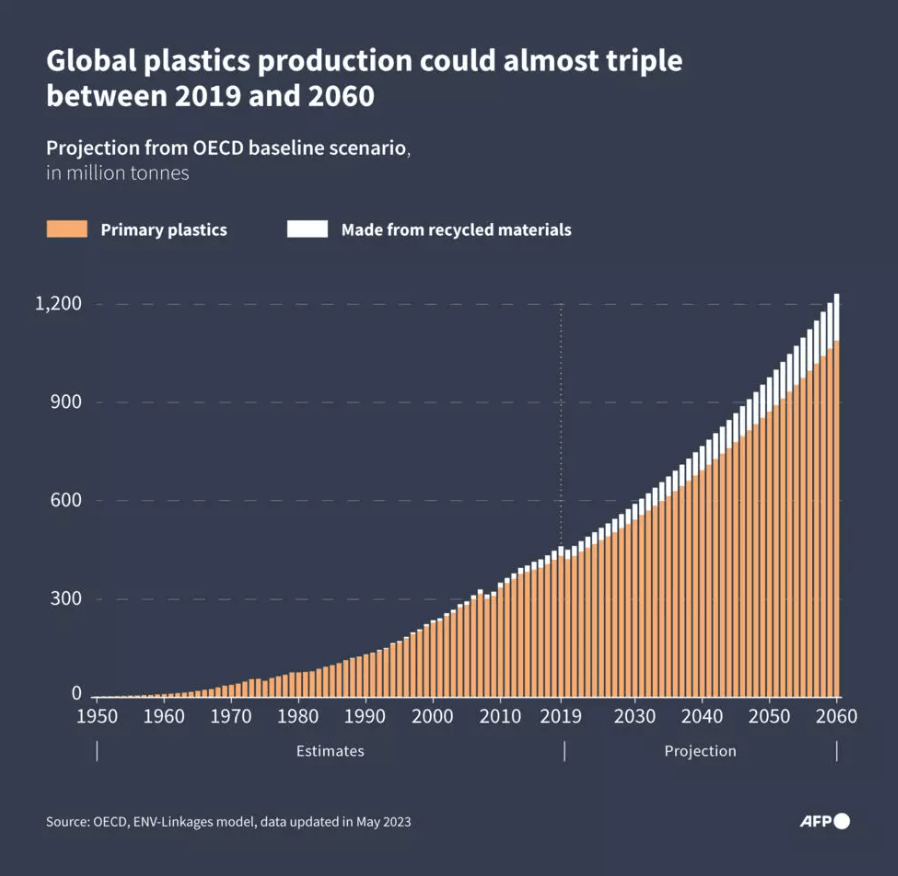
Figure 1. Projected global plastic production under the OECD baseline scenario (2019–2060)
The projected increase in plastic production is expected to generate substantially larger volumes of plastic waste. As illustrated in Figure 2, global plastic waste generation is projected to continue increasing throughout the study period. Although recycling is expected to improve over time, it is not projected to keep pace with the overall increase in plastic waste. Landfills are expected to continue being the primary method of waste disposal, predicted to handle approximately 50% of all plastic waste by 2060, while the volume of plastic waste directed to incineration and those left mismanaged is also anticipated to rise under the business-as-usual scenario. Correspondingly, with the projected increase in mismanaged plastic waste, environmental plastic leakage is also projected to increase through 2060 under the OECD baseline scenario.
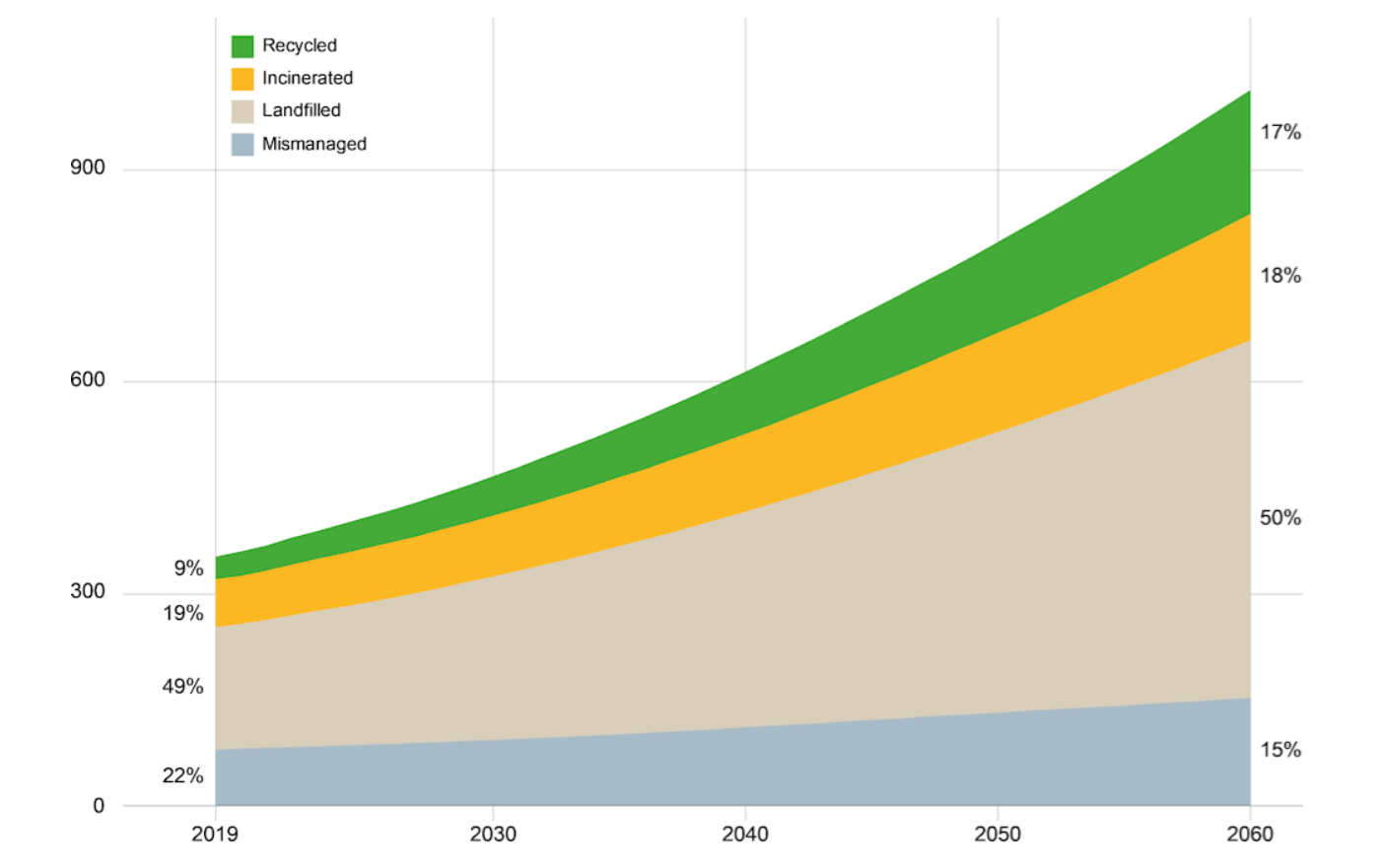 Figure 2. Projected global plastic waste by management category under the OECD baseline scenario
Analysis of the UNEP Global Ocean Model demonstrates that plastic debris originating from different regions is redistributed over long distances through global ocean circulation systems. Figure 3 identifies the North Pacific, South Pacific, North Atlantic, South Atlantic, and Indian Ocean gyres as the major long-term accumulation regions for floating plastic debris, where continued accumulation has led to the formation of large garbage patches containing both macroplastics and microplastics.
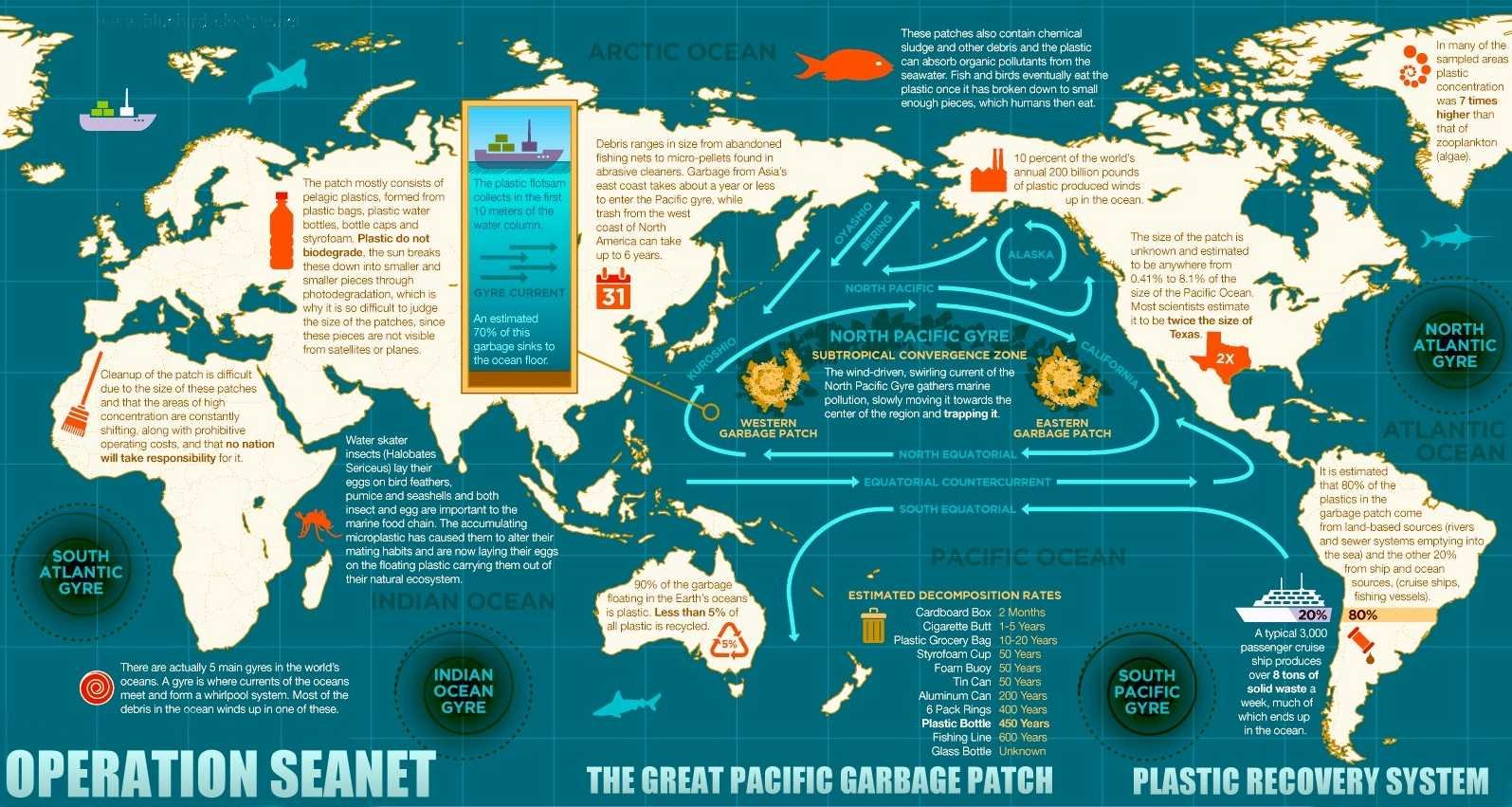
Figure 3. Global ocean circulation showing five major plastic accumulation zones
Atlas of Ocean Microplastics provides further evidence of plastic accumulation. The atlas indicates that microplastics are not uniformly distributed across marine environments but are concentrated in distinct hotspots. Higher concentrations are reported in the North Pacific Ocean, North Atlantic Ocean, Mediterranean Sea, Arabian Sea, Bay of Bengal, and parts of the Indian Ocean. These observations support the role of oceanic accumulation regions in concentrating microplastics across global marine environments.
Furthermore, the Marine Microplastic Concentration Datasets reveal that microplastic contamination levels differ significantly across marine settings, depending on geographical factors, oceanographic conditions, and proximity to pollution sources. Among the particle types identified, fibre-shaped microplastics were the most common, with fragments, filaments, pellets, and foams also frequently observed. These results further illustrate the extensive presence and variety of microplastic pollution throughout global marine ecosystems.
Discussion
By linking trends in plastic production, waste generation, and environmental leakage to transport routes and accumulation patterns, the combined analysis provides an integrated understanding of plastic pollution in aquatic environments. The results demonstrate that the pathway of plastic pollution is interconnected, with rising plastic inputs causing leakage into aquatic systems, subsequent transport, and accumulation in specific hotspots. This study links anticipated changes in plastic inputs to observed distribution and accumulation patterns by combining OECD projections, the UNEP transport model, AOMI, and NOAA datasets. This integrated approach offers more comprehensive insights into how ecological risks within aquatic ecosystems may be exacerbated by increasing plastic leakage.
The historical and anticipated trends identified in this study align with previous findings that highlight the significant rise in global plastic production and waste generation, which has exerted greater pressure on waste management systems and led to larger amounts of mismanaged plastic waste (Geyer et al., 2017). The future projections examined in this study indicate that without changes in production and consumption habits, unmanaged plastic waste is likely to keep rising, consistent with past forecasts (Mohajan, 2025). Additionally, the expected increase in the environmental leakage of plastic supports earlier studies suggesting that without effective waste management strategies, the ongoing rise in plastic production and consumption will exacerbate plastic pollution in aquatic ecosystems (Jambeck et al., 2015; Borrelle et al., 2020).
The patterns of transport and accumulation observed in this study align with earlier findings that suggest ocean circulation systems gather floating plastic waste in subtropical gyres, leading to enduring hotspots of marine debris accumulation (Eriksen et al., 2017; Lebreton et al., 2017). Likewise, the variations in marine microplastic concentrations found in the Atlas dataset correspond with previous modelling research indicating that heavily populated areas and major river systems play a crucial role in delivering plastic waste to nearby marine ecosystems (Strokal et al., 2023).
The observed transport and accumulation of macroplastics, together with the widespread occurrence of different microplastic forms identified in the marine microplastic concentration dataset, demonstrate the continued persistence of plastic debris within aquatic ecosystems. When interpreted alongside previous research, these findings suggest that the continued accumulation of plastics increases the potential for exposure and ingestion by aquatic organisms, with ecological impacts influenced by particle size, shape, and surface physicochemical properties (Xu et al., 2020). Macroplastics primarily cause physical harm, whereas microplastics are more readily ingested and transferred through aquatic food webs (Gregory, 2009; Ma et al., 2020; Li et al., 2021; Benson et al., 2022). Collectively, these findings suggest that continued plastic accumulation may increase ecological pressures on aquatic ecosystems, with implications for biodiversity and ecosystem functioning (Ali et al., 2025).
Although the direct biological impacts of plastic pollution were beyond the scope of the present study, integrating the study findings with existing ecological evidence suggests that the projected increases in plastic production, waste generation, and environmental plastic leakage, together with the observed transport and accumulation patterns, may increase future ecological pressures on aquatic ecosystems, leading to food-web disruption, biodiversity loss, and long-term ecosystem imbalance if current production and waste management trends persist.
Strengths and limitations
A major strength of this study is the integration of four complementary global datasets, enabling assessment of the plastic pollution pathway from environmental leakage and waste generation to transport, accumulation, and potential ecological implications. By combining model-based projections, transport assessments, and observed microplastic distribution data, this study provides a more comprehensive understanding of how increasing plastic inputs may influence accumulation patterns and ecological risks across aquatic ecosystems.
However, the limitations associated with each dataset should be considered when interpreting the findings. The OECD Global Plastics Outlook relies on baseline modelling scenarios; therefore, projections of future plastic production, waste generation, and leakage depend on assumptions regarding socioeconomic trends and waste management practices. The UNEP Global Ocean Model provides insights into large-scale patterns of plastic transport and accumulation but may not fully capture regional variations influenced by ocean currents, coastal processes, and local sources. The Atlas of Ocean Microplastics and NOAA NCEI Marine Microplastics Database provide observational evidence of microplastic distribution; however, differences in sampling locations, particle size thresholds, and analytical methods may limit direct comparisons. Consequently, these datasets indicate broad patterns and potential ecological risks rather than exact estimates of plastic distribution.
Policy implications
Interventions should focus on important phases found in the plastic pollution pathway in order to lessen the ecological effects of plastic pollution. Limiting plastic inputs into aquatic systems can be achieved through policies targeted at improving waste management and preventing improperly managed plastic waste. The persistence of plastic debris and related ecological risks can also be decreased by giving high-risk river basins and accumulation hotspots priority for monitoring and mitigation initiatives. In order to improve future assessments and support efficient management strategies, it is also critical to strengthen standardized monitoring of microplastic pollution.
Conclusion
This study integrated four complementary global datasets to provide a comprehensive understanding of the plastic pollution pathway, from environmental plastic leakage to the transport, accumulation, and potential ecological implications of plastic debris in aquatic ecosystems. The findings indicate that projected increases in plastic production, waste generation, and environmental plastic leakage are likely to contribute to greater macroplastic and microplastic accumulation across aquatic environments. When considered alongside existing ecological evidence, these findings highlight the potential for increasing plastic pollution to intensify ecological pressures through food-web disruption, biodiversity loss, and long-term aquatic ecosystem imbalance. Overall, the study underscores the need for effective plastic waste management and leakage reduction strategies to protect the long-term health and sustainability of aquatic ecosystems.
References
Dris, R., Gasperi, J., Mirande, C., Mandin, C., Guerrouache, M., Langlois, V., & Tassin, B. (2017). A first overview of textile fibers, including microplastics, in indoor and outdoor environments. Environmental Pollution, 221, 453-458. https://doi.org/10.1016/j.envpol.2016.12.013.
Ryan, P. G., Weideman, E. A., Perold, V., Hofmeyr, G., & Connan, M. (2021). Message in a bottle: Assessing the sources and origins of beach litter to tackle marine pollution. Environmental Pollution, 288, 117729. https://doi.org/10.1016/j.envpol.2021.117729.
Eo, S., Hong, S. H., Song, Y. K., Han, G. M., & Shim, W. J. (2019). Spatiotemporal distribution and annual load of microplastics in the Nakdong River, South Korea. Water Research, 160, 228–237. https://doi.org/10.1016/j.watres.2019.05.053
Jambeck, J. R., Geyer, R., Wilcox, C., Siegler, T. R., Perryman, M., Andrady, A. L., Narayan, R., & Law, K. L. (2015). Plastic waste inputs from land into the ocean. Science, 347(6223), 768–771. https://doi.org/10.1126/science.1260352
Lebreton, L., van der Zwet, J., Damsteeg, JW. et al. River plastic emissions to the world’s oceans. Nat Commun 8, 15611 (2017). https://doi.org/10.1038/ncomms15611
Meijer, L. J. J., van Emmerik, T., van der Ent, R., Schmidt, C., & Lebreton, L. (2021). More than 1000 rivers account for 80% of global riverine plastic emissions into the ocean. Science Advances, 7(18). https://doi.org/10.1126/sciadv.aaz5803
van Emmerik T, Schwarz A. Plastic debris in rivers. WIREs Water. 2020;7:e1398. https://doi.org/10.1002/wat2.1398
Roebroek, C. T. J., Harrigan, S., van Emmerik, T. H. M., Baugh, C., Eilander, D., Prudhomme, C., & Pappenberger, F. (2021). Plastic in global rivers: are floods making it worse? Environmental Research Letters, 16(2), 025003. https://doi.org/10.1088/1748-9326/abd5df
Christian SchmidtTobias KrauthStephan Wagner; Export of Plastic Debris by Rivers into the Sea. Environ. Sci. Technol. 7 November 2017; 51 (21): 12246–12253. https://doi.org/10.1021/acs.est.7b02368.
Strokal, M., Vriend, P., Bak, M.P. et al. River export of macro- and microplastics to seas by sources worldwide. Nat Commun 14, 4842 (2023). https://doi.org/10.1038/s41467-023-40501-9
Wang, T., Zhao, S., Zhu, L. et al. Accumulation, transformation and transport of microplastics in estuarine fronts. Nat Rev Earth Environ 3, 795–805 (2022). https://doi.org/10.1038/s43017-022-00349-x
Eriksen, M., Thiel, M., & Lebreton, L. (2016). Nature of Plastic Marine Pollution in the Subtropical Gyres. The Handbook of Environmental Chemistry, 78, 135–162. https://doi.org/10.1007/698_2016_123
Xu, X., et al. (2020). Microplastics in aquatic environments: Occurrence, accumulation and biological effects. Science of the Total Environment, 703, 134699. https://doi.org/10.1016/j.scitotenv.2019.134699
Gregory, M. R. (2009). Environmental implications of plastic debris in marine settings—entanglement, ingestion, smothering, hangers-on, hitch-hiking and alien invasions. Philosophical Transactions of the Royal Society B: Biological Sciences, 364(1526), 2013–2025. https://doi.org/10.1098/rstb.2008.0265
Kühn, S., Bravo Rebolledo, E. L., & van Franeker, J. A. (2015). Deleterious Effects of Litter on Marine Life. Marine Anthropogenic Litter, 75–116. https://doi.org/10.1007/978-3-319-16510-3_4
Egbeocha CO, Malek S, Emenike CU, Milow P (2018) Feasting on microplastics: ingestion by and effects on marine organisms. Aquat Biol 27:93-106 https://doi.org/10.3354/ab00701
Ma, H., Pu, S., Liu, S., Bai, Y., Mandal, S., & Xing, B. (2020). Microplastics in aquatic environments: Toxicity to trigger ecological consequences. Environmental Pollution, 261, 114089. https://doi.org/10.1016/j.envpol.2020.114089
Li, Y., Sun, Y., Li, J., Tang, R., Miu, Y., & Ma, X. (2021). Research on the Influence of Microplastics on Marine Life. IOP Conference Series: Earth and Environmental Science, 631(1), 012006. https://doi.org/10.1088/1755-1315/631/1/012006
Ali, S. S., Alsharbaty, M. H. M., Al-Tohamy, R., Schagerl, M., Al-Zahrani, M., Kornaros, M., & Sun, J. (2024). Microplastics as persistent and vectors of other threats in the marine environment: Toxicological impacts, management and strategical roadmap to end plastic pollution. Environmental Chemistry and Ecotoxicology, 7, 229–251. https://doi.org/10.1016/j.enceco.2024.12.005
Benson, N. U., Agboola, O. D., Fred-Ahmadu, O. H., De-la-Torre, G. E., Oluwalana, A., & Williams, A. B. (2022). Micro(nano)plastics Prevalence, Food Web Interactions, and Toxicity Assessment in Aquatic Organisms: A Review. Frontiers in Marine Science, 9. https://doi.org/10.3389/fmars.2022.851281
Borrelle, S. B., Ringma, J., Law, K. L., Monnahan, C. C., Lebreton, L., McGivern, A., Murphy, E., Jambeck, J., Leonard, G. H., Hilleary, M. A., Eriksen, M., Possingham, H. P., De Frond, H., Gerber, L. R., Polidoro, B., Tahir, A., Bernard, M., Mallos, N., Barnes, M., & Rochman, C. M. (2020). Predicted growth in plastic waste exceeds efforts to mitigate plastic pollution. Science, 369(6510), 1515–1518. https://doi.org/10.1126/science.aba3656