
Authors:
Sejal Sarna, Samyukta Singh, Parmita Thakur, Mufliha A, Sangamithra V, Suryadev Sureshbabu, Gowri K, Rucha Dhiren Shah
Abstract
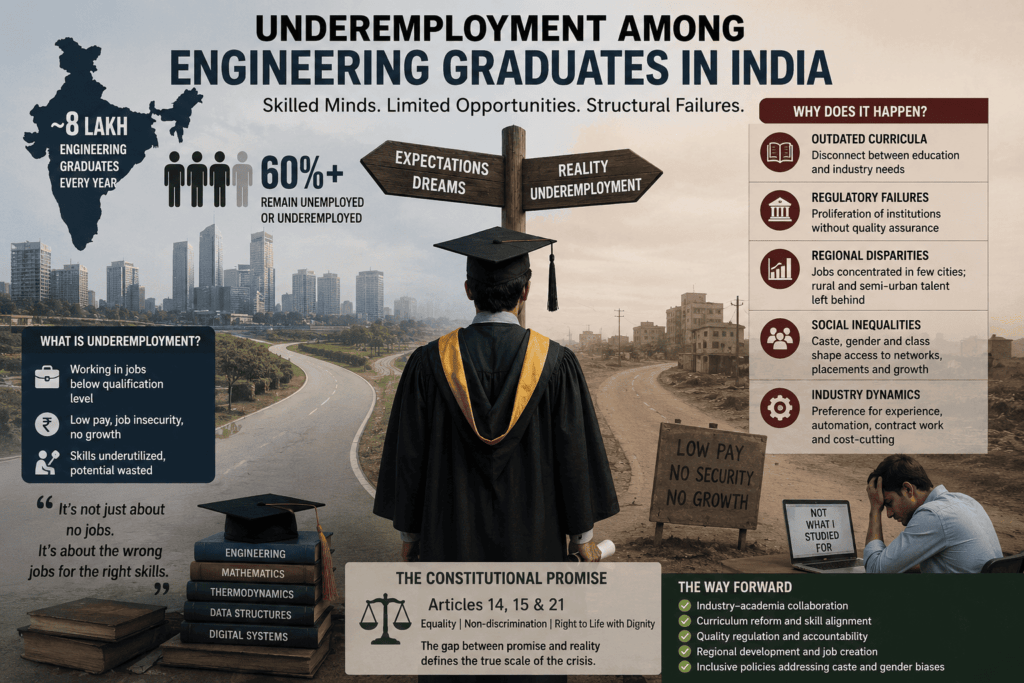
India produces engineers at a scale that flatters its development ambitions while quietly embarrassing its labour market. According to the All India Council for Technical Education, more than 60% of the eight lakh engineers graduating every year remain unemployed, and this is not simply a story of too few jobs. A large portion of this crisis is produced, and then reproduced, by the institutional arrangements that were supposed to prevent it in the first place. This paper asks why, and argues that the standard explanation that graduates are simply unemployable is both analytically thin and politically convenient: a framing that locates failure in individual students rather than in the structures that trained them. Drawing on a qualitative review of existing scholarship and a reading of relevant policy frameworks including the National Education Policy 2020, we locate the underemployment crisis at the intersection of overlapping structural failures: curricula sealed off from evolving industry demands, a regulatory architecture that has expanded faster than its capacity to enforce quality, deep regional unevenness in where economic opportunity actually concentrates, and the persistence of caste and gender as quiet organising logics of who gets placed and on what terms. The constitutional promise (Articles 14, 15, and 21) of equal, dignified, and secure livelihoods runs underneath this entire discussion, and the distance between that promise and the actual condition of graduate employment is, we argue, the real measure of the crisis. What follows is less an indictment of individual graduates than of the educational, industrial, regulatory, and state arrangements that keep producing the same outcomes while shifting responsibility downward.
Introduction
India has significantly expanded its technical education system over the past few decades, particularly in engineering, with the aim of supporting economic growth and technological development. Today, more than 1.5 million engineering graduates enter the labour market every year. While this reflects the country’s commitment to building a skilled workforce, the rapid increase in the number of graduates has far exceeded the number of suitable employment opportunities available. As a result, many engineering graduates find themselves underemployed, working in positions that do not utilise their qualifications or in unstable, informal, or unrelated jobs. Rather than treating this as an isolated issue, this study examines underemployment as a broader structural problem.
In this paper, underemployment refers to more than unemployment or a mismatch between education and occupation. It represents the inability of technical qualifications to translate into stable, meaningful, and adequately paid employment. This issue also has constitutional significance. Article 21 guarantees the right to life and livelihood with dignity, Article 21A recognises the right to education, and Articles 14 and 15 promote equality before the law and prohibit discrimination. Together, these provisions suggest that widespread underemployment is not simply an economic concern but also a question of governance and public policy. The key issue, therefore, is whether the gap between the number of engineering graduates and the availability of suitable jobs stems primarily from individual shortcomings or from institutional factors such as outdated curricula, weak regulatory oversight, uneven industrial development, and inadequate labour market policies.
Existing research points to several factors that contribute to graduate underemployment, although these are often studied separately. Many scholars identify outdated curricula and weak collaboration between educational institutions and industry as major causes. Others highlight shortcomings in quality regulation by bodies such as AICTE and the UGC. Regional disparities further complicate the picture, as formal engineering jobs remain concentrated in a few urban and industrial centres, limiting opportunities for graduates from less-developed regions. Social factors, particularly caste and gender, also influence access to placements, professional networks, and job quality, even among graduates with similar qualifications. However, the literature has paid relatively little attention to how these factors interact. It remains unclear whether they operate independently or whether they are part of a broader structural system that consistently shapes graduate outcomes regardless of individual ability or effort.
To address this gap, the present study uses individual-level data from the Periodic Labour Force Survey (PLFS) 2023–24. Instead of merely documenting the existence of underemployment among engineering graduates, it seeks to explain the factors that shape it. Specifically, the study examines whether underemployment varies across regions in ways that reflect industrial concentration rather than differences in individual skills; whether gender differences are better explained by patterns of labour force participation than by employability; and whether the type and duration of technical education influence employment outcomes after accounting for regional and demographic characteristics. By analysing these dimensions together, the study evaluates whether the common claim that graduates are simply unemployable is supported by evidence or whether underemployment is more accurately understood as the outcome of structural and institutional conditions.
Ultimately, this paper argues, solving underemployment among engineering graduates is about more than just the economy. Addressing underemployment is both an economic need and a constitutional duty to help India’s youth reach their full potential, ensure inclusive growth, provide fair access to opportunities, and uphold fundamental rights.
Literature Review
Underemployment Among Engineering Graduates in India
Academic career self-efficacy was used as the key conceptual framework to examine the career outcomes among engineering students. The study analysed how students’ self-belief shifts over the course of their engineering education and its influence after their graduation. It was found that academic career self-efficacy (ACSE) during academic progression plays a mediator role between entry-level self-efficacy and post-completion of their graduation. Moreover, factors such as gender, social caste, engineering grade, and campus placement were important moderating factors. Social caste was influential in career outcomes, with students belonging to the lower caste experiencing low levels of satisfaction, experience, and career confidence compared to students from the upper caste. For example, among the surveyed population, 59.4% of lower-caste students did not secure campus placements, compared with 49.5% of upper-caste students. As a result, students from lower-caste backgrounds exhibit lower levels of academic career self-efficacy (ACSE) upon career completion. It also found that entry-level academic grades did not significantly affect the career outcomes of students who progressed through their engineering education. These findings align with the previous studies conducted by Mamaril et al. (2016) and Zimmerman (2006) that the self-efficacy of engineering students influenced their performance and workforce readiness. The study concludes that self-efficacy and the ability to adapt to the changing trends of the market will help engineers and the engineering sector for long-term success (Mahajan, 2024).
Determinants of Employment and Earnings of Engineering Graduates
This study surveyed nearly 7000 final year students enrolled in 40 engineering institutions across four different states in India, such as Delhi, Maharashtra, Karnataka and Tamil Nadu. Focusing on two important questions: a) which factors predict the employability of engineering graduates? and b) what drives the difference in their pay scale?
Employing logistic regression and ordinary least squares (OLS) techniques, the research found that educational characteristics and related factors were the strongest predictors of employment. Job-related factors and gender seem to significantly influence the earnings of the engineering graduates. However, gender differences were marginal, with 25 per cent of male students having received job offers compared to 27 per cent among females, though noticeable gender differences emerged in employment across different types of organisations.
The predominant mismatch between academics and skill requirements results in the overproduction of unskilled engineering graduates, with various reports suggesting that nearly 80-90% of graduates lack employability skills. This imbalance between demand and supply creates a shortage of employable engineering manpower in the economy. One of the key limitations acknowledged by Tilak was that the respondents were final year students who were not employed; therefore, verification of actual income or job placement is not possible. The study also revealed institutional disparities in terms of employment security. Students from government institutions were twice as likely to have received a job offer as those from the private institutions.
Furthermore, the educational level of graduates and their fathers’ education qualification played a key role in predicting employment. Surprisingly, factors such as caste, gender and father’s occupation had less significance on employability and the level of earnings.
The author is critical of the rapid expansion of low-quality engineering institutions, arguing that the production of more engineering graduates without quality education would not help in any way. Despite the poor quality of education offered at private institutions, the probability of getting employed is higher for graduates from private institutions, but at very low starting salaries compared to students from public institutions.
The author recommends that institutions periodically reassess the engineering specialisations that they offer by tracking industry demands and avoiding the replication of courses that no longer serve the job market (Tilak, 2020).
Youth, Poverty and Unemployment in India: A Comparative Economic Analysis
This paper compares the economics of youth poverty and unemployment across the northern and southern states of India. Drawing primarily on secondary data such as the Periodic Labour Force Survey (PLFS), the Census of India, and state-level economic surveys, it provides a comparative analysis of youth unemployment and poverty across the states. The findings suggest that northern states such as Bihar, Rajasthan, and Haryana suffer from underemployment mainly due to their agrarian dependence, less diversification of industries and limited access to vocational training. In contrast, southern states, especially Kerala, Tamil Nadu, Karnataka and Telangana, are doing better, with relatively lower poverty rates, and exceptional participation of the youth in the formal sectors. These states have a higher concentration of industries in areas such as IT, biotechnology, pharmaceuticals, automobile manufacturing, textiles, and services, which significantly contribute to exports and formal job creation.
The author refers to this as the urban crisis created by structural imbalances between educational attainment and the demand of the labour market. This leads to the wasted potential of the youth of India. There is an unequal assessment of the employment schemes such as MGNREGA, PMKVY and the state-level skill missions. A homogeneous structure has the propensity to overlook the economic structure of the regions and the absorption of labour. This study is consistent with previous studies that when the skills of the graduates do not match the employers’ requirements, structural unemployment persists over time. The persistence of skill mismatch in northern states, driven by inadequate education quality and infrastructure, results in a workforce ill-prepared for emerging industries.
Gender disparity exists across both regions of the north and south, where unemployment among female youths remains twice that of males. For example, women’s participation in the labour force remains low, with around 23.5% in urban and 36.9% in rural areas, especially in Northern states like Haryana, which exhibit low female workforce participation at the national level. Other factors, such as cultural constraints, limited mobility, and fewer employment opportunities, contribute to this inequality.
The skill profile among Indian states reveals stark contrasts: southern states exhibit higher proportions of youth with vocational and technical training compared to the northern states. While the northern states experience structural unemployment due to countryside poverty, less diversification of industries and limited access to vocational training, the southern states face the rising issue of educated unemployment among the youth, which makes it difficult to secure employment opportunities that match their qualification.
The author urges that the development strategies should be compatible with the ground realities of education and the labour market for India to make use of its demography. It also reveals the geographical issues which are to be addressed to tap the full potential of the youth and ensure inclusive growth. The author envisions that entrepreneurship, along with equitable urban-rural investment, would help reduce poverty and urban-rural disparity while utilising the fullest potential of India’s youth (Yadav & Kumar, 2026).
Co creating academic career self efficacy: exploring academic career segments, mediating and moderating influences in engineering education trajectory
Self-efficacy, conceptualized by Bandura as an individual’s belief in their capacity to achieve specific goals, has long been recognized as a powerful predictor of career-related outcomes, including choice, performance, and persistence, particularly within social cognitive career theory, where it develops through mastery experiences, vicarious learning, social persuasion, and emotional states. Building on this foundation, Betz and Hackett introduced career self-efficacy as a domain-specific application of Bandura’s theory, later extended into academic contexts to explain student engagement, academic performance, and persistence, especially within demanding fields such as engineering. A substantial body of research has linked academic self-efficacy to outcomes including career goal-setting, employability, skill acquisition, satisfaction, and overall career attainment, with empirical studies consistently demonstrating that engineering students possessing higher self-efficacy achieve stronger academic outcomes. However, much of this foundational literature has emerged from Western educational contexts, raising concerns regarding its applicability to culturally distinct settings such as India, where caste, gender, and socioeconomic structures uniquely shape educational trajectories. Furthermore, existing scholarship has predominantly concentrated on self-efficacy at the point of career entry, with comparatively limited attention paid to its evolution across the full academic trajectory, particularly during skill development and following graduation. Studies examining post-graduation self-efficacy remain especially scarce, leaving a critical gap in understanding how alumni reflections, satisfaction, and loyalty contribute to broader career development processes. This gap is compounded by insufficient research on the mediating and moderating mechanisms such as gender, social caste, and academic performance that may influence how self-efficacy beliefs propagate across career segments. Collectively, this literature underscores the need for a culturally grounded, longitudinally comprehensive framework capable of capturing the dynamic interplay between academic self-efficacy and engineering students’ progression from entry through post-graduation reflection (Mahajan, 2024).
The paradox of skilled unemployment: understanding underemployment among engineering graduates
Underemployment among engineering graduates in India has been widely identified as a structural outcome of the persistent mismatch between technical education and evolving industry requirements. Despite the country’s substantial output of technically trained youth, a considerable proportion of graduates struggle to secure employment commensurate with their qualifications due to insufficient practical exposure, weak industry orientation, and a curriculum that fails to keep pace with rapidly changing skill demands. Employers increasingly seek interdisciplinary competencies such as programming proficiency among mechanical engineers or familiarity with artificial intelligence among civil engineers yet most engineering programs have been slow to integrate such cross-domain skills, leaving graduates inadequately prepared for contemporary labor markets. The absence of structured internship opportunities has been identified as a particularly significant contributor to underemployment, as students lacking hands-on industry experience face greater difficulty transitioning into meaningful employment. Although state-level interventions such as the Additional Skill Acquisition Programme (ASAP) and the Kerala Startup Mission (KSUM) were designed to narrow these skill gaps, their effectiveness has been constrained by limited industry collaboration and inconsistent implementation. The problem is further compounded by spatial disparities in employment opportunities, with job creation disproportionately concentrated in urban centers, thereby disadvantaging graduates from rural backgrounds who have comparatively limited access to professional networks and skill-building resources. Sociocultural dynamics also play a contributory role, as parental and societal expectations often steer students toward engineering disciplines irrespective of genuine interest, resulting in career mismatches and diminished occupational satisfaction. Compounding this, elevated salary expectations among graduates have been associated with a preference for prolonged unemployment over acceptance of entry-level positions perceived as below their qualifications. Collectively, this literature underscores the necessity of compulsory industry internships, strengthened employer participation in curriculum design, and enhanced career counseling mechanisms, alongside entrepreneurship promotion and expanded job-creation initiatives, to recalibrate engineering education toward genuine employability outcomes (Saji, 2017).
Potential of technology startups to bring down underemployment among engineering students
The relationship between entrepreneurship education and graduate unemployment has received considerable scholarly attention, with findings indicating both promise and complexity. In examining initiatives undertaken by Scottish universities to cultivate student-led startups, and assessing their applicability to Ghana’s high-unemployment context, Fosu and Richard argued that entrepreneurship education combined with employability skills can contribute meaningfully to addressing graduate unemployment, provided it is accompanied by a healthy economic environment. They emphasized that successful startup ecosystems require careful consideration of cultural context, market opportunities, regulatory frameworks, public support mechanisms, and broader socioeconomic conditions, concluding that entrepreneurship education alone does not constitute a direct or sufficient solution to unemployment. Complementing this perspective, a study of Malaysian technical graduates by Ahmad, Baharun, and Haslianah found that technical students demonstrated genuine readiness to pursue entrepreneurship as a viable career path, with unemployment reduction achievable through the provision of opportunities, creativity, favorable circumstances, structured training, and self-confidence-building among students. The importance of institutional support infrastructure was further underscored by Thompson’s examination of the University of Michigan’s TechArb accelerator, which integrates an entrepreneurship legal clinic staffed by licensed attorneys and law students to provide intellectual property protection, regulatory guidance, and employment-law assistance to emerging startups. Omogbolahan similarly emphasized that entrepreneurship education must be field-oriented and practically grounded, advocating for stronger partnerships between higher education institutions and industry to bridge existing gaps. Addressing structural barriers, Ansah identified persistent challenges including inadequate finance, poor exploitation of viable business ideas, and the absence of business advisory services, recommending the establishment of dedicated Student Enterprise Centres to provide mentorship and practical support for self-employment. Finally, gender-differentiated patterns in entrepreneurial behavior were documented by Judith, who observed that male students gravitated toward higher-capital, higher-risk ventures with greater projected economic impact, whereas female students favored lower-capital, lower-risk ideas with comparatively modest economic scope. Collectively, this body of literature establishes that while entrepreneurship education holds genuine potential to mitigate graduate unemployment, its effectiveness is contingent upon supportive financial infrastructure, mentorship systems, legal assistance, and an enabling policy environment (Fosu & Richard, 2013).
A Review on Employer’s Expectation and Perceptions Towards Education And Changing Skills Requirement Among Engineering Graduates
Kajale and Shaikh (2021) conducted a critical literature review to examine the widening gap between what employers expect from engineering graduates and what the current education system actually delivers. The central argument of the paper is that significant skill gaps exist across three broad categories:
- personal skills (communication, teamwork)
- professional attributes (ethics, self-management)
- technical skills (tool handling, configuration, design).
Engineering curriculums have failed to keep pace with evolving industry demands. Drawing on multiple studies across India, Malaysia, Pakistan, and the MENA region, the authors found a consistent and recurring pattern: graduates often place excessive emphasis on technical knowledge as the benchmark for recruitment, while employers place far greater weight on soft skills such as problem-solving, decision-making, interpersonal communication as well as creativity. This perception gap between the graduates and employer’s reduces the graduate’s chances often hinders access to appropriate job opportunities, leading to underemployment. The paper also examines how Industry 4.0 and automation are transforming employment requirements, making soft skills and adaptability essential for career success.
One of the biggest issues is that universities and companies do not work together closely. Students who have had prior work experience seem to have a better idea of what employers want from them. According to the authors, universities should regularly update what they teach, collaborate closely with companies, and give students more training. A particularly important observation in this paper is that scholarship has focused almost entirely on what universities can do to build students’ skills, while largely ignoring the role companies themselves can play in developing them. The authors argue that closing this gap requires universities and companies to work together deliberately, so that students are genuinely ready for work when they graduate, and they identify this shared industry-academia responsibility as an area that warrants closer attention (Kajale & Shaikh, 2021).
Evaluating the impact of NEP 2020 on higher education reforms and skill development in India: a systematic literature review
Sivaraman et al. (2026) evaluated 50 peer-reviewed studies published between 2020 and 2025 to examine how India’s National Education Policy (NEP) 2020 is affecting education and skill development for graduates. This study is important because it examines whether the NEP 2020 is helping narrow the gap between what graduates can do and what employers expect. The findings show both progress and challenges. Most of the studies reviewed, 78%, reported positive results from the Academic Bank of Credits and the new credit transfer system. Additionally, 64% of the studies found improvements in cooperation between educational institutions and industry. However, the study highlighted several concerns. Despite changes in the curriculum, only a small number of studies showed clear evidence that graduates were getting better job opportunities. This indicates that changes in the curriculum alone might not be enough to improve graduate employability. The main obstacles were lack of funding, poor technological infrastructure in rural institutions, and limited teacher training. About 89% of the studies pointed out funding shortages as a major challenge. The review also found significant differences between urban and rural systems, with urban institutions achieving higher levels of success than rural ones. Furthermore, the study noted that partnerships between educational institutions and industries are often informal and not well-structured, which limits their effectiveness in preparing students for the workforce. To tackle these issues, the authors recommend increasing public spending on education to at least 6% of GDP and developing a clearer framework for implementing the policy. They also suggest creating a national graduate certification system to improve skill recognition and employability (Sivaraman et al., 2026).
Bridging the Gap: Addressing India’s Graduate Employability Crisis Amid Rising Higher Education Enrollment
Rahaman and Laskar (2025) use secondary data from AISHE, PLFS, Economic Survey, and the NSDC-KPMG Skill Gap Study to explore the contradiction at the center of India’s higher education growth. The Gross Enrollment Ratio has increased sharply from 9.5% in 2000 to 28.4% in 2021-22, with total enrollment reaching 43.1 million. However, this increase has not led to better employment outcomes. The paper highlights a striking inverse relationship between education level and job readiness. Graduates face an unemployment rate of 18.9%, which is much higher than the rates for those with only secondary education (1.8%) or those who are illiterate (0.2%). Among graduates under 25, the unemployment rate jumps to 42.3% in 2021-22. This indicates a structural mismatch instead of a lack of supply. Only 51.25% of Indian graduates meet industry standards for being job-ready. The authors link this gap to curricula that focus on rote learning and theory instead of essential skills like communication, analytical thinking, and technical knowledge. The paper also examines regional differences, using West Bengal as a case study to demonstrate how the urban-rural divide worsens the employability crisis. In Kolkata and North 24 Parganas, there is a greater demand for skilled workers in IT, BFSI, and healthcare. In contrast, districts like Murshidabad and Cooch Behar experience severe shortages in training facilities. The authors call for changes in curriculum, mandatory inclusion of vocational and soft skills, stronger partnerships between industry and academia and local skill development strategies that cater to regional economic needs (Rahaman & Laskar, 2025).
Status and Select Concerns of Engineering Education in Kerala (India): An Overview
The study conducted by Babu & Anil (2021) is an important institutional critique that considers how unprecedented commercial expansion can lead to the undermining of educational standards, in the case of the engineering colleges in Kerala. The authors mainly looked at the crisis looming around three main realms – empty classrooms, rising rates of exam failures, and severe graduate unemployability. However, the paper while facilitating a macro-level analysis of this question of Kerala’s engineering education sector leaves out a prominent factor of the micro-level factors that impact the pedagogical elements. It overlooks the case of certain lower tier private colleges that can be transitioned into the current model of Outcome-based education (OBE).
There are also certain outliers that the study leaves out such as that of the human (social) and cultural factors that drive the extremely high dropout rates, about 8,000 students in Kerala, unexamined. It has thrown light on severe systemic tensions between the education sector and the industry that lead to almost 66% of graduates being underemployed in non-engineering roles. Based on the findings analysed, the authors suggest an aggressively enforced quality-centric overhaul, that might include the National Board of Education’s (NBE) mandatory compliance and strict industry-academia partnerships. This study by Babu & Anil thus incorporates the macro level analysis that brings into its core the consequential relationship that the industry sector as well as the technical education entities together have on the future of the engineering students and graduates alike. The limitation of this approach is the lack of focus directed towards the micro-level influencing determiners that can also impact the career oriented decision-making tendencies of those students (Babu & Anil, 2021).
Low Employability of Graduate Engineers – Ascertaining Role of Industry by leveraging Total Interpretive Structural Modelling
Pandey and Kamble (2023) provides a comprehensive account of the engineering graduates employability, especially that of the macroeconomic challenge within entry level ones within the Indian Information Technology (IT) sector. The study shows that about 85% of such graduates are unemployable owing to certain surveys. They utilized a new model of analysis Total Interpretive Structural Modelling (TISM) to facilitate the systematic deconstruction of the interplay of about eight industry-driven factors that have a considerable impact on the graduates’ level of readiness. Unlike the usual historical studies, this paper, similar to the work of Babu & Anil (2021) on Kerala’s engineering graduates, focuses on the important role that the IT sector plays in developing career prospects of a graduate engineer. The TISM observed factors such as ambiguous corporate employability definitions, scarce internship provisions and minimal campus infrastructure funding. This framework helped in considering employability factors not in isolation but in a fashion whereby it threw light on how deep-rooted corporate deficits greatly drive certain factors such as the outdated curricula of technical education, and the orthodox evaluation system with regard to engineering college examinations.
The study is nevertheless limited in that the qualitative inputs collected, interpreted, and analysed were drawn from a pool of only ten engineering colleges within the state of Maharashtra, which, similar to the case in Babu & Anil’s (2021) work, may underrepresent the regional socio-economic variations found across the rest of India. The paper, nevertheless, proves to be a fundamental work in addressing a major research gap where the accountability has been reiterated onto the IT sector by highlighting its systemic failure to function as a proactive, not a reactive, educational co-developer rather than a passive consumer. An important insight from this study is the existing gap that is present in research on how professional networks, government regulatory bodies and state policies must display one form of intervention to systematically mandate and encompass a kind of cross-industry ecosystem in the future (Pandey & Kamble, 2023).
The Reason behind Unemployment in India
Gayathri et al. (2023) examine the broad causes of the engineering unemployment and underemployment crisis in India. In line with Babu & Anil (2021) and Pandey & Kamble (2023), who attribute an instrumental role to industrial demand in shaping engineering graduates’ employability, this study argues that there exists a profound mismatch between the university curricula and contemporary demands of the IT industry. The primary aim of the paper was to shift the existing public narrative from mere job scarcity toward educational accountability. Using primary research data and combining with the established data in the market, particularly the data from NASSCOM (National Association of Software and Service Companies) the authors in addressing such an employability deficit have brought out a paradoxical fact that while India annually produces roughly fifteen lakh engineering graduates, only 2.5 lakh are employed in primary engineering industries. Another significant observation made in the paper is how only a mere 7% of graduate engineers possess the relevant skill required for core technical roles.
A key observation made here is that, through a survey of 100 stakeholders, the socio-psychological barriers can also play an impactful role in driving the unemployability of the graduates. The inference has been made particularly by analyzing the primary data where, in the case of job seekers, 50.5% of them suffer from interview anxiety and 48.4% from deficient communication skills. These two barriers have been attributed, with proper evidence, to the outdated and incoherent standards of the technical education curricula. The paper is, however, marred with evident analytical inconsistencies and logical contradictions. While it rightly brings about and diagnoses the shortcomings of the Indian higher education system – pointing to how the universities and colleges only prioritizes rote memorization and theoretical exams rather practical projects and applied learning it contradicts itself on the fact of whether the massive population size of India continues to be the major driver of unemployment (Gayathri et al., 2023).
Changing Paradigms of Engineering Education – An Indian Perspective
According to this paper, today’s world is a VUCA (Volatile, uncertain, complex and ambiguous) and that India produces 25% of the world’s total engineers yet we lag behind in the terms of research and innovation. The old traditional educational system where everything revolves around the teachers is still prevailing rather than moving to a student centric system which would be more beneficial. A group discussion was carried out with engineering students, parents, industry representatives and faculty members by the researchers. The result showed that students believed engineering still offered job opportunities and helped in developing skills but at the same time they expressed that the engineering education in India doesn’t encourage much creativity or innovation. The parents believed that engineering still had a lot of job opportunities and that was their reasoning for encouraging their children for the degree while the faculty members expressed their opinion on the need for the change in the mindset of the students and the effect of social media on their attitude. The Industrial representatives highlighted the skill gap among the engineering students especially in relation with the new technology age. The need for practical training, AI courses, updated curriculum, stronger industry connections, etc has been highlighted in the study. The paper highlights several factors responsible for the unemployment among the engineering students in India and attempts to analyse the perception of stakeholders. It also focuses on the need for the change in the education system for the betterment of the students (Madheswari & Mageswari, 2023).
Enhancing The Quality of Private Technical Education In India: Improving The Enforcement of Regulations
The paper closely examines the regulatory framework governing private technical institutions and also provides solution to improve them. India ranks number one for the most population of youth in the world and as a result requires a strong higher education system to improve employability and support the economic growth of the country. The paper observes the rapid growth of private technical institutions specifically for engineering in India and that it dominates the technical education of India. University Grants Commission (UGC) and the All India Council for Technical Education (AICTE) are among the several regulatory bodies yet despite that, the concern for the quality of education continues to be an issue. Challenges like weak enforcement of regulations, commercialization of education, lack of transparency regarding fees, as well as difficulty in employment are highlighted in the paper. Several rules, policies, court judgement exist for the regulation of these issues, the implementation of the same is ineffective and the gap between policies and proper implementation is wide. The research paper puts emphasis on the need for stronger enforcement of existing regulations, improved accreditation mechanisms, and greater transparency. Increasing the number of private technical institutions is futile and more attention should be paid on the quality of education being provided. This paper highlights and identifies the institutional and regulatory challenges faced by the engineering students that affects the quality of their education and as a result the low rate of employability among the engineering students in India (Sanyal, 2024).
Reasons Behind Rising Unemployment Among University Graduates in India
The paper sheds light on several reasons behind the unemployment among university graduates in India between 2011 to 2023. The researchers conducted a study using the data collected from 28 states and 5 Union Territories with a purpose to identify the economic, educational, and labour market factors that influence the unemployment among graduates. It is seen and highlighted in the paper that unemployment among graduates has considerably increased from 12% in 2011 to 23.5% in 2023 despite having an increase in the expansion of higher education as well as an increase in the government expenditure on the higher education. During the same time period of 2011 to 2023, it has also been observed that the Gross Enrolment Ratio (GER) in higher education increased from 20.8% to 29.4% which essentially means that the number of students are pursuing higher education than before. The paper found that the graduates were unwilling to take up insecure, low paying jobs and that economic growth does not always result in an increase in job opportunity highlighting the concept of jobless growth. Graduate unemployment is influenced by several structural and economic factors, including labour market conditions, sectoral employment trends, and educational outcomes. The study recommends evidence-based policies that promote skill-based training, better industry-academia linkages, formalization of jobs, and inclusive industrial growth to address underemployment and harness India’s demographic dividend. Although the study focuses on graduates in general rather than engineering students specifically, it helps to identify the general and major factors for unemployment among the graduate students in India which is also applicable to the engineering students (University of Manchester, 2024).
Fixing Futures: Educated Unemployment through a North Indian Lens
Craig Jeffrey’s (2009) research, spanning eleven years from 1996 to 2007, focuses on the socio-economic impacts of neoliberal transformations on educated, middle-class Jat youth in western Uttar Pradesh, India. Due to changes in the economy as well as the contraction of jobs in the public sector, traditional pathways to (naukri) employment were becoming more difficult for newly graduated University-educated youth. Therefore, these youth had entered into a state of waiting that was both chronic and involuntary. Furthermore, these youth were not passive participants in this state of waiting. Rather, they were actively involved in creating new forms of time within the local political society.
Jeffrey identifies two broad types of response among these youth; a smaller group of these youth who were attempting to bring about social reform to combat corruption and mismanagement; and an expansive group of opportunistic youth who had become fixers (kamkarnewale) using familial capital and the marketization of higher education to assist other youth obtain admission into universities and secure positions as university faculty members, behaviours condoned by culture via the use of the concept of jugar, which refers to skillful manipulation. Jeffrey concludes by stating that structural unemployment causes these newly graduated youth to act in ways that aggravate existing class inequalities in the region (Jeffrey,
2009).
Tackling India’s Jobs Plight: Underutilised Levers and Lessons from China
According to Bruegel, there is a strong belief that India has an economic paradox; it is still the largest growing economy in terms of GDP while at the same time it experiences a job crisis. High-skill service industries are driving an increasing amount of GDP growth as the Indian economy continues to change from agriculture to manufacturing sectors; however, there is very little mobility within that transition from agriculture to higher paying manufacturing industries.
The growth of the high-skill service sector (IT, finance, ICT) creates a lot of revenue for Indian businesses, however, it cannot employ the number of semi-skilled and unskilled workers expected to enter India’s workforce over the next year and beyond; 8 million to 10 million individuals will enter the Indian labour force each year for a number of reasons; predominantly as these individuals have come from very low-income economies and they must find ways to support themselves by either immigrating to a more developed economy (such as the United States or Canada) or by creating their own businesses and becoming entrepreneurs.
At the same time as there are a lot of people in India being underutilised or not having work at all, it also has an excessive number of underutilised workers who are working in informal economic settings. Researchers have expressed concern that if India does not take action to make changes in its labour market through means of policies such as labour reforms; increasing FDI in manufacturing; and promoting trade, then it runs the risk of losing out on much of its socially and economically valuable demographic dividend (García-Herrero & Sengupta, 2026).
Disparity in employment in India: evidence from engineering graduates across social groups and gender
The authors Arjun Prakash and Inder Sekhar Yadav examine how caste and gender affect engineering graduate placements and academic success at a famous engineering college of the Government of India (Kerala). The study uses logistic regression, chi-square, and linear probability models to analyze institutional data on 1,406 graduates to show that systematic inequalities exist in higher education and hiring systems in elite institutions.
Students from disadvantaged social categories (SC/ST and Other Backward Classes (OBC)) graduate with lower academic achievements (CGPA) and generally score lower on Entrance tests for engineering college. This disadvantage stems from the fact that socially disadvantaged students do not have the same level of access to private or non-government schools as students from socially and economically advantaged communities, which impedes their academic performance before they enter into the job market. The systematic disadvantage associated with caste and gender also results in lower placement rates for socially disadvantaged engineering graduates into well-paying corporate positions when controlling for other known variables (field of study and school attended) than for socially and economically advantaged graduates. At the end, the paper concludes that affirmative policies such as reservation are essential but should be complemented with proper institutional steps (Prakash & Yadav, 2024).
Skilled Migration and Labour Mobility
A growing body of work has tried to make sense of why India, even as it claims a seat at the global high-table of diplomacy, continues to send out such a steady stream of its educated and trained people. Rajan and Joshi’s chapter on India’s skill corridors is useful here because it refuses to read this as a simple story of loss. Building on Khadria’s earlier framing of the shift from “brawn drain” to “brain drain,” the authors push the conversation further, arguing that India now occupies a dual position it sends skilled labour out even as it pulls foreign expertise in, particularly through arrangements like the Triple Win nursing programme and the India–Germany corridor.
It is interesting how the chapter roots this dual role in domestic structural failure rather than treating migration as something that simply happens to India from outside. Binswanger-Mkhize’s critique of the Mahalanobis model the idea that decades of capital-intensive, state-led industrialisation never built the labour-absorbing manufacturing base the country actually needed explains a great deal of why so many of India’s graduates end up looking abroad in the first place. The chapter also draws on Triandafyllidou, Shirazi and Engbersen’s point that skill itself is not a neutral, portable category but something defined by the destination country’s own economic and regulatory needs. That single insight, I think, says a lot about why even well-trained vocational workers from India struggle to have their qualifications recognised abroad. The concept of migration skill corridors, as proposed by Grabowska and Setrana, gives the chapter its analytical spine, moving the discussion away from older one-directional drain narratives and toward something more circulatory, more reciprocal though whether this reciprocity is as balanced in practice as it is in policy language remains, to my mind, an open question (Rajan & Joshi, 2024).
Degree Inflation, Employability and the Limits of Credentialism
George and Baskar take up a related but distinct problem: not who leaves India, but what happens to those who stay and study. Their analysis sits within a fairly established economic literature on credential inflation, drawing loosely on Beaudry’s idea that when the supply of graduates grows faster than the economy’s capacity to absorb them, the value of a degree itself begins to erode wages flatten, signalling weakens, and qualifications start functioning more as filters than as guarantees of ability. The authors situate India’s graduate unemployment crisis, including the well-publicised decline in IIT and IIM placement rates, within this broader pattern, while also pointing out that China underwent something comparable after its own higher-education expansion post-2000.
The paper leans on signaling theory almost as much as on human capital theory, and this tension is, I think, the more theoretically interesting part of the piece. If education is meant to build real productive capacity, why does its labour-market value keep falling even as enrolment and credential-holding keep rising? The authors cite research showing that signalling effects help account for persistent caste-based wage premiums in India even after controlling for qualifications a finding that quietly gestures toward the limits of treating educational credentials as a caste-neutral, purely economic signal. Institutional inertia is named too, somewhat in passing, as faculty incentives tied to publication rather than industry engagement, and curricula that have simply not kept pace with the kind of work the economy now demands. It is worth noting that several of the paper’s own statistics are not always traceable to verifiable primary sources, which is a limitation readers should keep in mind even as the broader argument holds up reasonably well against other literature on the subject (George & Baskar, 2024).
Gendered Organizations and the Stalling of Women’s Careers
Maji and Dixit’s study of women in India’s IT sector is, of the three, the one that speaks most directly to questions of structural power and bodily and professional autonomy that sit at the centre of feminist labour scholarship. Working from Acker’s now-classic theory of “gendered organisations,” the authors trace four processes through which gender gets built into the everyday architecture of work the division of labour, organisational symbols and images, patterns of interaction, and the slow reshaping of individual identity. None of these, Acker insists, are incidental; they are how organisations produce inequality while appearing, on paper, to be gender-neutral.
The interviews Maji and Dixit conducted with twenty-one women software engineers bring this theory to life in ways that are genuinely striking. Women describe being given the “simpler” coding tasks while their male colleagues are trusted with anything requiring complexity; they describe being denied international postings because a manager assumed they would not want to leave a child behind, without ever being asked; they describe quietly disowning feminine self-presentation changing how they dress, how they speak simply to be taken seriously as engineers. What stayed with me most is the recurring theme of self-silencing, which the authors connect to Jack and Ali’s broader theory of silencing as a gendered response to discrimination. Rather than confronting unequal pay or being passed over for promotion, many of the women interviewed chose to let it go, often explaining this choice through the very same feminine scripts docility, accommodation that produced the inequality to begin with. The methodological grounding of the study, built on Anderson and Jack’s argument that interviewing allows women to be understood as meaning-makers rather than simply data sources, resonates closely with the oral history commitments that inform feminist and Ambedkarite approaches to recovering ordinary women’s narratives more broadly, even though the setting here is corporate rather than rural (Maji & Dixit, 2024).
Socio-Economic Status in Relation to Employability of Engineers
Maheshvari, R. (2024) conducted a study to examine the relationship between socio-economic status and employability among engineering graduates in India, with a particular focus on Tamil Nadu. The main objective of the study was to understand how socio-economic background can act as a barrier to employability and to suggest ways to improve students’ job readiness. Data was collected through a questionnaire distributed to final-year engineering students from various colleges and regions. A total of 864 students participated in the survey, and 163 of them were further selected for detailed analysis through interviews. The study considered several socio-economic variables such as gender, age, religion, mother tongue, family type, family size, educational qualification, technical qualification and monthly family income. It also examined background related factors such as migration status, years of residence, and reasons for migration. These variables were used to understand how different aspects of a student’s background influence their employability. The findings showed that socio-economic status has a clear impact on students’ personality development, academic performance, and overall employability skills taught in engineering institutions and the expectations of industries. This gap was mainly linked to issues in curriculum design, teaching quality, and training methods. It was further observed that strengthening mathematical knowledge, improving personal preparation, and enhancing teaching effectiveness could help improve employability. This study shows how differences in socio-economic background affect the level of skills, confidence, and job readiness among engineering students. It highlights that even when students have similar educational qualifications, their exposure and skill development are not the same (Maheshvari, 2024).
Factors Affecting Employability of Engineering Graduates
Sahudin (2022) reviewed scholarly publications relating to engineering graduate employability and identified the major determinants influencing successful labour market outcomes. The study highlighted that employability is not solely dependent on technical expertise but also requires communication abilities, leadership skills, teamwork, adaptability, and problem-solving competence. Employers increasingly seek graduates capable of functioning in multidisciplinary environments and responding effectively to technological change.
The review revealed that many engineering institutions continue to emphasize theoretical learning while providing inadequate exposure to industrial practices. Consequently, graduates frequently encounter difficulties in obtaining positions aligned with their qualifications and often accept jobs requiring lower levels of education. The study stressed the significance of internships, industrial attachments, project-based learning, and professional certification programmes in improving employability. Participation in extracurricular activities and professional networking events was also found to contribute positively to career prospects.
Sahudin concluded that engineering institutions should revise curricula regularly to incorporate emerging technologies and industry requirements. Collaboration between universities and employers was identified as essential for reducing skill mismatches and preparing graduates for competitive labour markets. The findings are highly relevant for studies on engineering underemployment because they demonstrate how deficiencies in employability skills may compel graduates to pursue occupations unrelated to their field of specialization (Sahudin, 2022).
Developing Employability in Engineering Education
Winberg and colleagues (2020) conducted a systematic review of engineering employability literature and analyzed studies focusing on the development of professional competencies in engineering education. The review emphasized that employability encompasses a combination of technical expertise, communication skills, ethical awareness, creativity, and lifelong learning abilities. Employers increasingly prefer graduates capable of collaborating effectively within multidisciplinary teams and applying theoretical concepts to solve practical problems.
The authors identified project-based learning as one of the most effective pedagogical approaches for improving employability because it allows students to engage with authentic engineering challenges. Internships, cooperative education programmes, and industry-sponsored projects were also highlighted as valuable opportunities for gaining workplace experience and understanding professional expectations.
The review recommended integrating employability skills throughout engineering curricula rather than treating them as separate components. Educational institutions were encouraged to establish stronger relationships with industry partners and adopt teaching practices that foster innovation, critical thinking, and active learning. The findings indicate that educational reforms aimed at enhancing practical learning experiences can contribute significantly to reducing underemployment among engineering graduates (Winberg et al., 2020).
Under-employment among Recent Graduates
Scurry and Blenkinsopp (2011) examined graduate underemployment through an extensive review of previous studies and argued that underemployment is a multifaceted phenomenon extending beyond unemployment and part-time work. The authors defined underemployment as a condition in which graduates occupy jobs that fail to utilize their educational qualifications, professional competencies, and career aspirations. Their review identified several dimensions of underemployment, including overqualification, skill underutilization, wage inadequacy, and job dissatisfaction. The study observed that increasing numbers of graduates accept employment below their qualification level due to labour market competition, economic uncertainty, and insufficient opportunities in preferred sectors.
The authors further explained that underemployment can have long-term consequences for individuals, including reduced earnings, lower job satisfaction, weakened professional identity, and delayed career advancement. The review emphasized that underemployment is influenced by both supply-side factors, such as graduates’ skills and expectations, and demand-side factors, including employer requirements and labour market structures. Scurry and Blenkinsopp suggested that universities should strengthen career counselling services, enhance industry partnerships, and improve graduate transition programmes. Policymakers were also encouraged to develop employment policies that better align higher education outcomes with labour market demands. Their work provides an important theoretical framework for understanding underemployment among engineering graduates, particularly in contexts where the number of graduates exceeds the availability of suitable professional positions (Scurry & Blenkinsopp, 2011).
Conclusion of the review of literature
Across the literature there is broad agreement that underemployment among engineering graduates in India is a complex issue shaped by skill mismatches, outdated curricula, weak connections between industry and academia, regional disparities, social and economic background, gender and caste inequalities, regulatory problems, and shifts in what the job market demands. Many studies have suggested that revising the curriculum, building links with industry, encouraging entrepreneurship, providing employment-oriented training, and improving how policies are implemented could all serve as solutions. However, most of the research examines these issues one at a time, focusing on particular institutions, states, industries, or theoretical frameworks. Studies that rely on primary surveys are usually limited to specific regions, while broader reviews tend to address unemployment rather than underemployment. Moreover, few studies draw on available large-scale data to examine how different demographic groups and regions shape underemployment among engineering graduates. This study fills these gaps by using the Periodic Labour Force Survey (PLFS) 2023–24 to give a national-level look at underemployment among engineering graduates across gender, where people live differences between states and types of technical education. By combining labour-market evidence with institutional perspectives, the study offers a fuller understanding of the underlying causes of underemployment among engineering graduates in India, and contributes empirical data that adds to the existing body of knowledge.
Methodology
The data for this study were sourced from two datasets derived from the Periodic Labour Force Survey (PLFS) conducted by the National Statistical Office (NSO) of India, a national-level household survey conducted quarterly. The two datasets were analysed by selecting only individuals aged between 18 and 30 years who held at least some form of technical qualification, such as those in engineering. Applying these criteria, the total sample size is 5,767 observations.
To facilitate the computation and description of the individual-level data, employment status was grouped into five categories: Regular/Casual Employment, Unemployed, Self-employed, Student/Domestic Duties, and Other. Out of the total respondents, the overall underemployment rate was found to be 25.30% with the actual number being 1,459 underemployed individuals. All data were processed through descriptive analysis, computing counts and percentages across several variables such as gender, urban/rural location, nature of technical education, age group, and place of residence.
1.1 Urban vs Rural differences
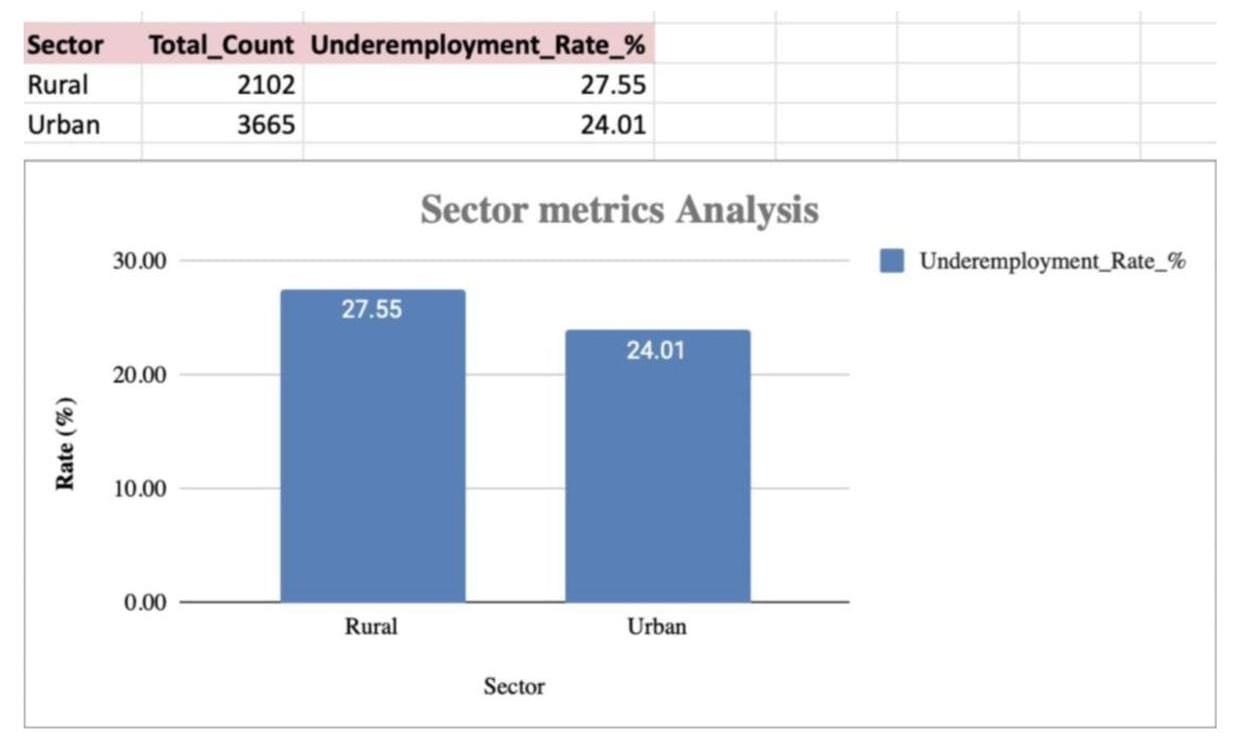
Figure 1: Underemployment by sector
The data shows a clear geographic divide in underemployment among engineering graduates. Rural engineers experience a higher underemployment rate of 27.55% compared to 24.01% for urban graduates. While the economic differences between rural and urban India are well known, a gap of over three percentage points among equally qualified technical graduates deserves serious attention. This gap highlights systemic issues rather than differences in individual abilities.
The main cause of this disparity is the concentration of formal job opportunities in specific locations. Industries that typically hire engineering talent such as manufacturing, information technology, financial services, and infrastructure are located mainly in urban and metropolitan regions. As a result, rural engineering graduates face two main challenges: limited job options in their area and financial or social obstacles that make it hard to move to cities where jobs are available. This mismatch between where engineers are trained and where jobs exist represents a major structural problem in India’s labour market.
Addressing it requires more than gradual economic growth. We need a clear policy shift towards balanced industrial development across different regions. As long as economic activity stays focused in a few urban centers, even well-qualified graduates from rural areas will likely experience higher underemployment. To conclude, the data clearly shows that where someone lives significantly influences their chances of getting a job, regardless of their education level.
1.2 Geographic Variation
In India, underemployment among engineering graduates is a varied phenomenon characterised by significant regional disparities rooted in fundamental economic and industrial differences across states and Union Territories. The statistics pertaining to underemployment at state level demonstrate that the issue of underemployment cannot be resolved through an individual policy across India.
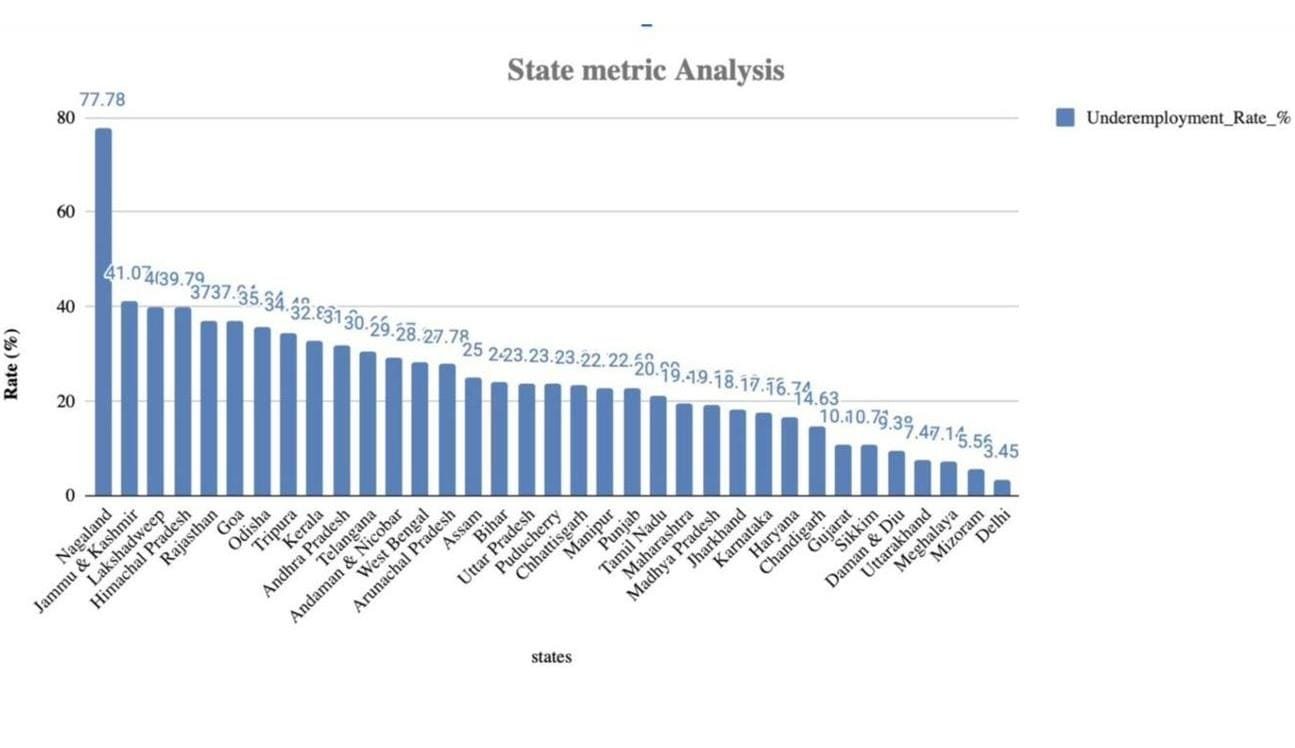
Figure 2: Underemployment according to States
Nagaland stands out as a clear geographic outlier at 77.78% underemployment. This figure derives from a very small sample size and points to an inflexible local labour market. Jammu & Kashmir, Lakshadweep, Himachal Pradesh, Rajasthan, and Kerala have much higher levels of overall underemployment than the average for the country i.e., 25.30 %. This is because states such as Jammu & Kashmir and Himachal Pradesh, being geographically isolated and landlocked, lack sufficient infrastructure and industry to support a robust private-sector economy.
Furthermore, Kerala is known for its accomplishments in social indicators, such as literacy, and for providing citizens with access to quality medical care and educational facilities; however, there is a large population of engineers in Kerala that remain underemployed thereby illustrating that the growth of human capital will not result in improved outcomes unless the local economy evolves to include more high-tech industries.
By contrast, underemployment levels are lower than average in regions such as Delhi, Uttarakhand, and Gujarat. Regions with minimal underemployment tend to have a relatively mature industrial base, some form of state-level investment strategy, and at least one major urban cluster.
The geographic inequities, as highlighted in the statistics, reflect another serious socio-economic dilemma – that of the requirement for compelled internal migration. Because technology- and engineering-related employment opportunities are enormously concentrated in a few geographic “hot spots” predominantly in south-western India (Bengaluru, Hyderabad, Pune, and Mumbai) and the NCR region graduates from universities in the northern, eastern, and central zones face major location-related impediments. Geographic barriers magnify and intensify existing regional disparities; thus forcing skilled engineers onto less than optimal career paths due to geography alone.
1.3 Gender and Underemployment
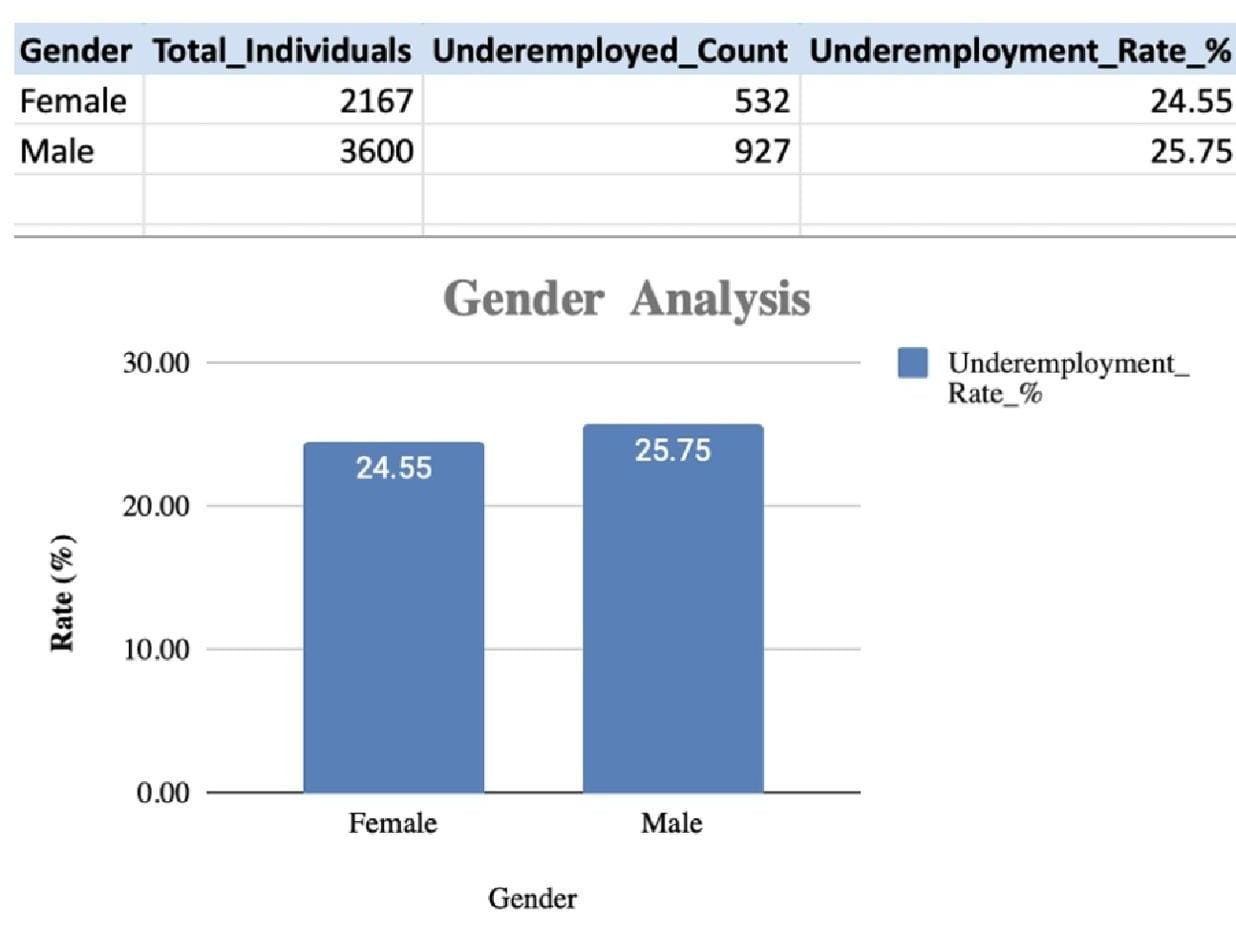
Figure 3: Underemployment rate by Gender
According to the data shown above, the underemployment rate for female engineering graduates is 24.55%, and for male engineering graduates it is 25.75%a difference of 1.2 percentage points. This narrow gap, however, does not account for the fact that women in India are often more economically vulnerable than men.
There might be a few explanations for this variance. It might be because of a selection effect, where female engineering students might already come from relatively urban backgrounds and have higher qualifications than men. Secondly, the women who enter the job market tend to be more selective, choosing their jobs more carefully than men, who do not face the same obstacles. Thirdly, we should also note the number of engineering graduates in the labour force. For women, it’s only 2167, whereas for men it is 3600. This indicates that many women do not join the labour force even after completing their engineering degree.
1.4 Role of Technical Education Type
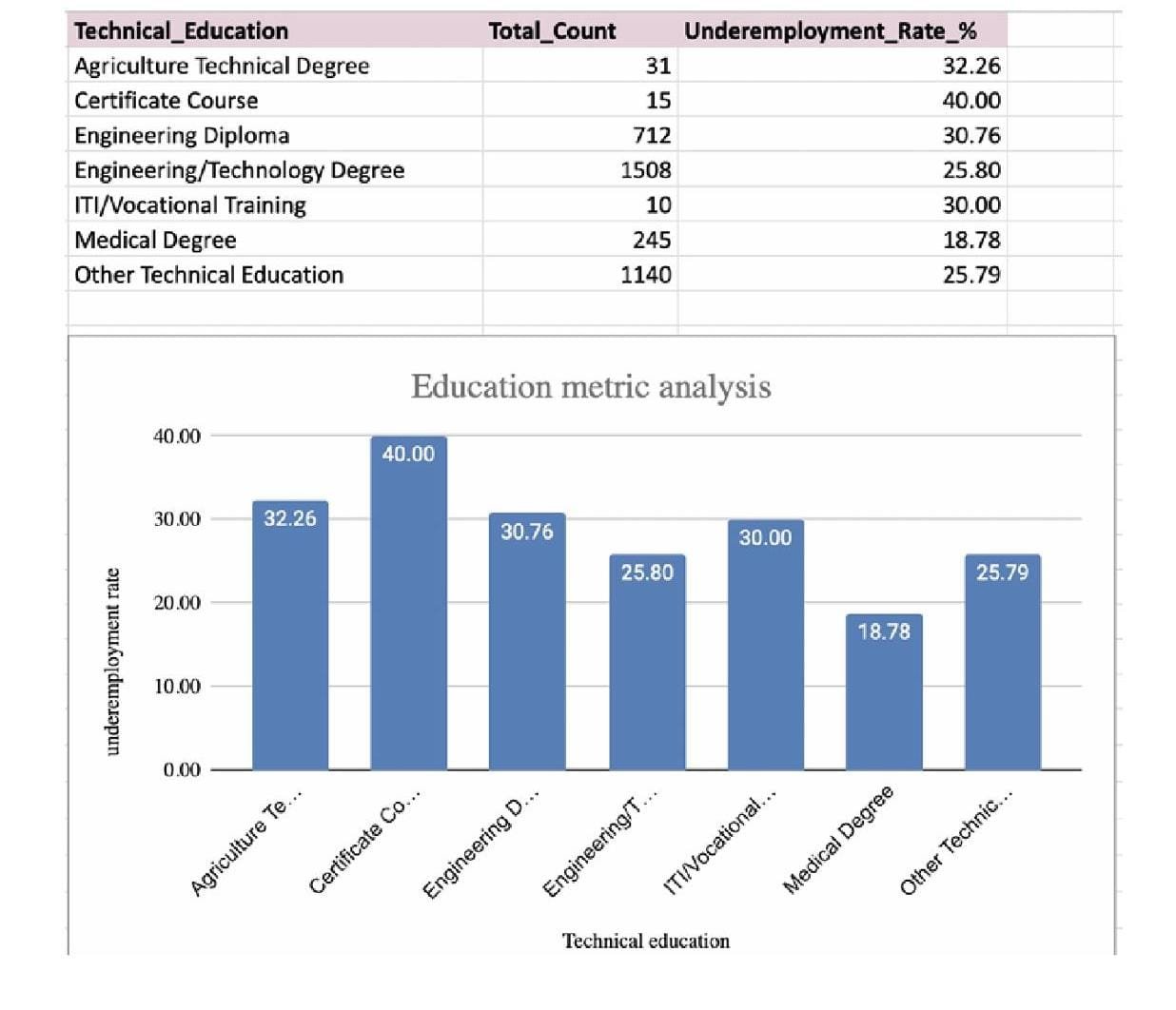
Figure 4: Underemployment by Technical Education Types
Looking at the data in Figure 4, one thing stands out pretty clearly not all technical qualifications are created equal, and the numbers reflect that honestly.
Students who completed certificate courses face the highest underemployment at 40%, which honestly isn’t all that surprising when you think about it. A short-duration course can only cover so much ground. It rarely gives students the kind of depth or hands-on preparation that employers are actually looking for. Agricultural technical degree holders come in next at 32.26%, followed by engineering diploma holders at 30.76%, and ITI/VT students at 30%. Engineering and technology degree holders sit at 25.80%, while medical degree holders have the lowest underemployment of the group at just 18.78%.
There’s a pretty clear pattern running through all of this, the shorter or lower-ranked the qualification, the higher the underemployment tends to be. That tells us something important: the depth and relevance of what someone studies matters a great deal, not just the fact that they studied something technical.
The medical degree number is particularly striking. At under 19%, it’s noticeably better than every other category. The reason isn’t hard to see. Medicine in India comes with strict regulation, mandatory licensing, and a very defined career path. Once you have that degree, the road ahead is relatively clear, and employers know exactly what they’re getting. There’s very little ambiguity.
Engineering degrees are a more complicated story. The 25.80% figure looks decent on paper, but engineering covers such a massive range of specializations that the average doesn’t really tell the full picture. Some branches are in high demand, others are genuinely oversaturated, and graduates in the same field can end up in very different situations depending on what they chose to specialize in.
At the end of the day, what this section really highlights is that underemployment isn’t just about whether someone has a technical qualification; it’s about whether that qualification actually prepared them for work that pays well and uses their skills. A certificate course on paper and an engineering degree on paper are both “technical education,” but they clearly don’t lead to the same outcomes.
1.5 Overall Employment Distribution
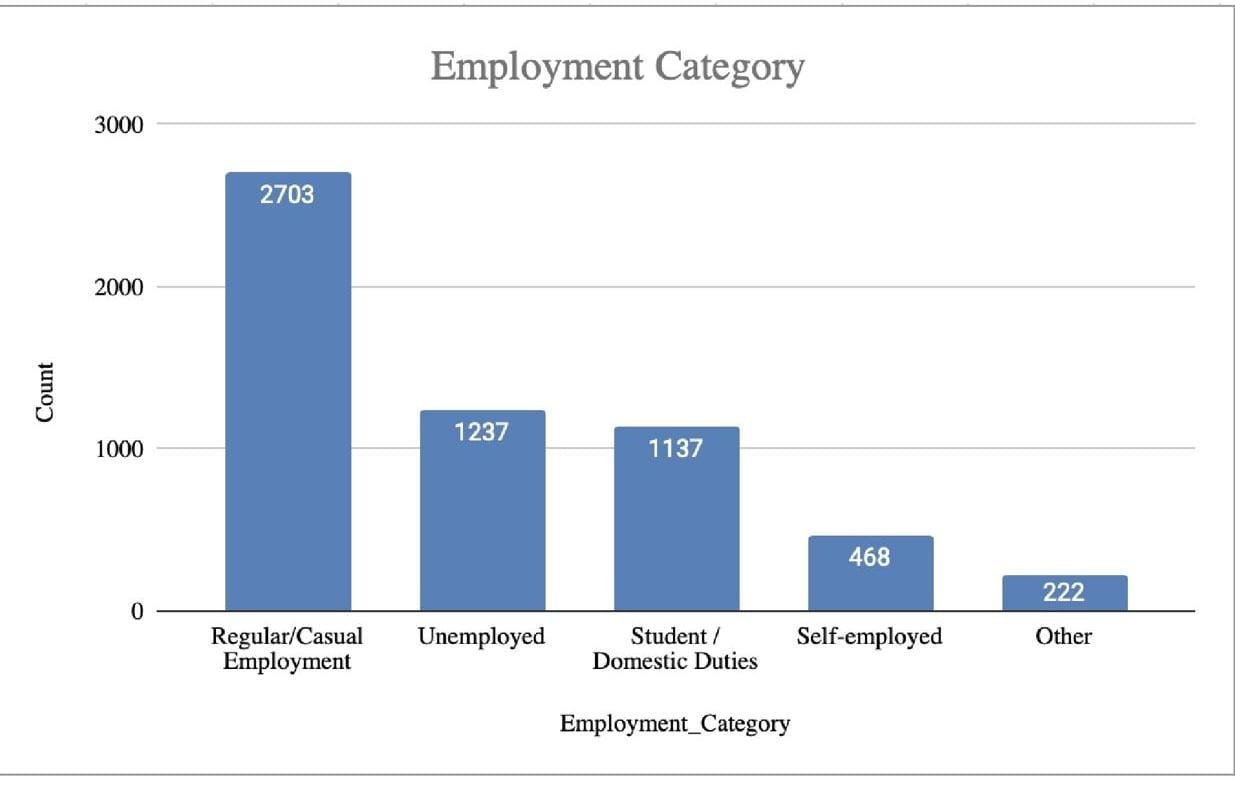
Figure 5: Employment Category distribution
The chart above represents the full sample of 5,767 individuals represented in the chart. The data tells a story about the gap between obtaining a highly technical degree and finding a matching career path.
1. The Employed Baseline (The 46.9%)
Initially, the most prominent segment is Regular/Casual Employment, representing 2,703 people (46.9%). Although it is encouraging that almost half the group is employed, the data reveals an important distinction: this category incorporates casual work, which is often temporary or unstable. Consequently, while these individuals are working, their positions may lack security or fail to align with the professional standards expected for an engineering graduate.
2. The Openly Jobless (The 21.5%)
A significant portion of this skilled workforce comprising 1,237 individuals (21.5%) falls into the Unemployed category. While professional degrees like engineering are typically viewed as a buffer against joblessness in a robust economy, the reality here is that over 20% of these graduates are currently without work.
3. The “Hidden” Underemployed (The 19.7%)
The category of Student / Domestic Duties accounts for 1,137 people (19.7%). This segment points toward a trend described as “over-education by default,” where graduates may pursue further studies or manage home life primarily because of a lack of suitable employment opportunities rather than a proactive preference.
4. Self-Employment & Transitions (The 11.9%)
- Self-Employment (8.1%): A group of 468 individuals have taken the initiative to build their own professional opportunities.
- Miscellaneous/Transitions (3.8%): Comprising 222 people, this segment includes those in between roles or currently in the midst of a job search.
The data analysis of the above graph reveals a compelling finding when the Unemployed and “Other” groups are viewed together. Combined, they account for 1,459 individuals, which translates to a significant 25.30% underemployment rate.
This data suggests that one out of every four engineers is essentially underutilized. Despite investing 15 to 16 years in formal education to develop expert technical skills, these graduates face a local economy that is failing to grow at a pace necessary to accommodate them. This results in a structural mismatch where the supply of highly educated professionals exceeds the market’s ability to provide suitable career opportunities.
Critical Interpretation of the Data with respect to the Skill Mismatch Framework
Analyzing the PLFS Sample (2023-24) having a total observation number of 5,767 respondents shows that among them the underemployment population constitutes about 25.30% of the sample. It is evident that such a condition has been driven by structural factors more than the reasons attributing to individual shortcomings. Similarly, the gap between rural (27.55%) and urban (24.01%) underemployment numbers point to a certain degree of spatial disparity in terms of capital distribution.
Applying the skill-mismatch framework to these underemployment patterns shows that engineering graduates in rural areas do not lack human capital. Rather, the obstacles arise from geographic barriers and the sustained absence of a well-established regional industrial base capable of identifying and absorbing technical skills.
Even though the empirical statistics present a small difference in the underemployment rate for females (24.55%) and males (25.75%), there still exists various factors that must be taken into account for each gender. It is important to notice that the number of male technical graduates in the overall sample equals to 3,600 individuals when compared to 2,167 females. Moreover, especially due to the different social pressures, the educated female population witnesses a significant dropout rate within the labor force. Societal pressure also affects male graduates, since it often pushes them to become the main providers for their families, leading them to accept immediate, poorly remunerated, non-technical casual jobs. This can be considered Scenario II underemployment, which refers to cases where an individual’s skill or educational-achievement level corresponds to their formal education but not to their actual occupation.
Female engineering graduates continue to experience various problems, such as organisational discrimination, safety concerns, and constraints on geographical mobility. As a result, women with poorly matched skills are more likely to leave the labour force and work at home. Nevertheless, the female graduates who remain in the active labour market tend, by comparison, to be more highly selected and more urban. Finally, combining these empirical results through the OECD skill-mismatch framework shifts the persistent narrative of student-blaming toward one that instead critiques failures in educational signalling, regional capital allocation, labour-market absorption, and related structural factors.
Conclusion
Engineering has long been portrayed as a self-sufficient discipline, with the prevailing assumption that merely possessing an engineering degree guarantees job security. This raises the question of whether engineering curricula have genuinely lived up to these expectations, or whether the assumption is largely hype. This study argues that they have not, and analyses the underlying problem of underemployment among engineering graduates in India. The evidence examined in this study challenges these assumptions and offers a critical analysis of the problem by unravelling the multiple, overlapping dimensions of underemployment that are often collapsed under a single label. A key factor identified is the geographic concentration of industries in urban centres, which has led to marginalised rural populations and deepened the urban-rural divide. Since each state in India possesses its distinct geographic, economic, and demographic character, implementing a single uniform national policy framework across the country proves to be inadequate, resulting in disproportionate regional development and uneven labour market outcomes.
The data collected, organized and interpreted to understand the looming problem of underemployment among engineering students in India provides a clear insight into some of the factors that induce such a crisis. From the PLFS 2023–24 data, it is clear that, within the sample, about 25.30% of engineering graduates are either unemployed or underemployed below their actual level of qualification. This corresponds with Gayathri et al. (2023), whose research showed the unintended consequences of the systemic disjunction between the IT industry and technical education curricula. Thus, the data is a clear indicator of the undeniable evidence of the breakdown in the case of the labour market, that is the industry, and the education system in India.
As observed in the figures depicting the urban–rural divide and the relationship between states’ economic structure and underemployment, it can be inferred that not all engineering graduates suffer from underemployment. Rather it is evident that underemployment is severe and pervasive in the rural sectors and the economically weaker states (Jammu & Kashmir, certain North Eastern states). It is noteworthy that graduates from these areas were characterised by lower-quality education, particularly among the youngest, most recent graduates. Taking these variables into account, it is essential to address the deep-seated structural flaws within the Indian economy, along with the widespread skill mismatch that arises from poor-quality curricula and the lack of coordination between the IT industry and colleges. Together, these factors lower graduate employability, leaving graduates without expertise for technical roles and unprepared for the evolving demands of the market.
Gender inequality further compounds the problem. As illustrated in Figure 3, women’s participation in the labour market remains significantly lower than men’s. This disparity is partly attributable to psychological and sociocultural factors such as patriarchal expectations that men must serve as primary providers for their families. This social pressure often compels men to accept employment below their qualification level rather than remain unemployed. Women, on the other hand, tend to be more selective in their job preferences, which within a structurally constrained environment translates into lower female labour-force participation. Beyond gender, the broader disconnect between technical specialisation offered by engineering programmes and the job-ready skill sets demanded by employers creates significant underutilisation of young human capital, ultimately resulting in a systemic wastage of productive potential.
Policy Recommendations
Addressing underemployment among engineering graduates requires coordinated intervention at multiple levels. First, a state-centric policy approach is recommended, recognising that regional diversity demands tailored solutions rather than a one-size-fits-all national framework. Second, the proper utilisation of funds allocated under the PM Internship Scheme must be ensured, so that graduates gain meaningful industry exposure before entering the labour market. Third, academic quality control must be strengthened through the establishment of assessment review boards consisting of experts in the field, mandated to evaluate the contemporary relevance of engineering curricula every quarter, thereby bridging the gap between education and employment. Finally, development initiatives should be diversified equitably across all regions to address geographic imbalances in economic opportunity.
Limitations
The analysis of this study is confined to India, and a comparative study incorporating data from other developing economies could yield a broader global lens. Additionally, the study relies exclusively on secondary data; future research incorporating primary data collection methods such as surveys or interviews with engineering graduates would enable more granular, real-time insights into the problem of underemployment. Furthermore, emerging phenomena such as the gig economy and the concept of brain drain remain outside the scope of this study and warrant dedicated investigation in future research.
References
- Ahmad, F., Baharun, R., & Haslianah, S. (2004). Interest in entrepreneurship: An exploratory study on engineering and technical students in entrepreneurship education and choosing entrepreneurship as a career (Project report). Technical University of Malaysia.
- Babu, M. S. B., & Anil, A. (2021). Status and select concerns of engineering education in Kerala (India): an overview. International Journal of Humanities and Social Science, 8(4), 30-35. https://doi.org/10.14445/23942703/ijhss-v8i4p105
- Bandura, A. (1977). Self-efficacy: Toward a unifying theory of behavioral change. Psychological Review, 84(2), 191–215.
- Betz, N. E., & Hackett, G. (1981). The relationship of career-related self-efficacy expectations to perceived career options in college women and men. Journal of Counseling Psychology, 28(5), 399–410.
- García-Herrero, A., & Sengupta, R. (2026). Tackling India’s jobs plight: Underutilised levers and lessons from China. Bruegel. https://www.jstor.org/stable/resrep78591
- Gayathri, A. R., M.L, L., Acksno, J., M.V, R. P., A, A., & Department of Electrical and Electronics Engineering, Stella Mary’s College of Engineering. (2023). The reason behind unemployment in India. International Journal of Innovative Research in Technology, 9(9), 588-589.
- George, & Baskar. (2024). Degree inflation, employability and the limits of credentialism. Journal of Higher Education Economics.
- Jeffrey, C. (2009). Fixing futures: Educated unemployment through a North Indian lens. Comparative Studies in Society and History, 51(1), 182-211. https://www.jstor.org/stable/ 27563735
- Kajale, & Shaikh. (2021). A review on employer’s expectation and perceptions towards education and changing skills requirement among engineering graduates. Journal of Engineering Education.
- Khare, M. (2021). Skills mismatch of higher-education graduates in India: Factors determining employability quotient. In India Higher Education Report 2020 (pp. 111-131). Routledge India.
- Madheswari, S. P., & Mageswari, S. D. U. (2023). Changing paradigms of engineering education – An Indian perspective. Journal of Engineering Education.
- Mahajan, P. (2024). Co-creating academic career self-efficacy: Exploring academic career segments, mediating and moderating influences in engineering education trajectory. Frontiers in Education, 9, Article 1359848. https://doi.org/10.3389/feduc.2024.1359848
- Maheshvari, R. (2024). A study of socio-economic status in relation to employability of engineers. International Journal of Management, Public Policy and Research, 3(1), 14-21.
- Maji, & Dixit. (2024). Gendered organisations and the stalling of women’s careers in India’s IT sector. Feminist Labour Studies Journal.
- Pandey, S., & Kamble, S. (2023). Low Employability of Graduate Engineers – Ascertaining Role of Industry by leveraging Industry Total Interpretive Structural Modelling. Journal of Engineering Education Transformations, 37(S1), 1-9. https://doi.org/10.16920/jeet/2023/v37is1/23162
- Prakash, A., & Yadav, I. S. (2024). Disparity in employment in India: evidence from engineering graduates across social groups and gender. Department of Humanities and Social Sciences, Indian Institute of Technology Kharagpur.
- Rahaman, & Laskar. (2025). Bridging the Gap: Addressing India’s Graduate Employability Crisis Amid Rising Higher Education Enrollment. Journal of Educational Review.
- Rajan, & Joshi. (2024). Skilled migration and labour mobility: India’s skill corridors. International Migration Reports.
- Sahudin, S. (2022). Literature review on the factors affecting employability of engineering graduates. ASEAN Journal of Engineering Education, 6(1), 13-22.
- Sanyal, K. (2024). Enhancing the quality of private technical education in India: Improving the enforcement of regulations. Journal of Public Policy and Regulation.
- Scurry, T., & Blenkinsopp, J. (2011). Under-employment among recent graduates: A review of the literature. Personnel Review, 40(5), 643-659. https://doi.org/10.1108/00483481111154487
- Sivaraman, et al. (2026). Evaluating the impact of NEP 2020 on higher education reforms and skill development in India: a systematic literature review. Higher Education Policy Review.
- Tilak, J. B. G. (2020). Engineering graduates in India: Determinants of their employment and earnings. Higher Education Governance & Policy, 1(2), 76–98. https://izlik.org/JA99ZX34WE
- Winberg, C., Bramhall, M., Greenfield, D., Johnson, P., Rowe, M., & Lewis, J. (2020). Developing employability in engineering education: A systematic review of the literature. European Journal of Engineering Education. https://doi.org/10.1080/03043797.2019.1624878
- Yadav, A., & Kumar, A. (2026). Youth, poverty and unemployment in India: A comparative economic analysis of northern and southern states (SSRN Working Paper No. 6509099). SSRN. https://doi.org/10.2139/ssrn.6509099
- Brun-Schammé, A., & Rey, M. (2021). A new approach to skills mismatch (OECD Productivity Working Papers No. 24). OECD Publishing, Paris. https://doi.org/10.1787/24139424