Authors: Ishika Singh, Sadhika Sunil, Ashina Sharma, and Manaal Farooqui
ABSTRACT
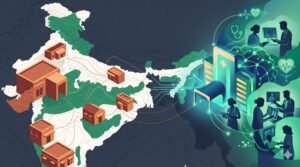
Education plays a crucial role in the social and economic development of a country. In recent years, India has introduced several educational policy reforms and increased its focus on improving the quality and accessibility of education. This study examines educational policy reforms and budget priorities in India since 2014 and analyses their relationship with human development outcomes. The study is based on secondary data collected from government reports, research articles, and published sources.
The research explores major educational policy reforms, trends in the education sector, and government budget allocation for education. It also examines the relationship between education and human development by analysing indicators such as education expenditure and educational attainment. The study highlights the importance of government investment in education for improving literacy, skills, and overall development.
The findings suggest that educational reforms and increased government attention towards education have contributed to improvements in access to education and learning opportunities. However, challenges such as limited financial resources and inequalities in educational access still remain. The study concludes that effective educational policies and adequate budget allocation are essential for improving human development outcomes in India.