
Author: Carmelyn Chelliah
Acknowledgements
The author would like to acknowledge the contribution of Busari Sheriffdeen Alabi in the research and writing of this paper. The author also thank the International Institute of SDGs and Public Policy for their support and guidance throughout this study.
Introduction
Plastic pollution has become a pervasive problem across freshwater, estuarine, and marine connected systems, with visible macroplastics and small fragmented microplastics now documented across many water bodies (Bellasi et al., 2020; Blettler et al., 2018). Recent studies have shown that freshwater systems have long been understudied relative to marine systems (Blettler et al., 2018). However, they haven’t yet produced a harmonized workflow that supports robust cross study comparison (Ciornii et al., 2025; Cowger et al., 2020; Danopoulos et al., 2020; Schymanski et al., 2021). Reported abundances still shift with sampling geometry, particle size thresholds, extraction choices, spectroscopic confirmation and quality assurance practice while freshwater evidence remains uneven across size classes, compartments and regions (Blettler et al., 2018; van-Emmerik et al., 2022; Hagelskjær et al., 2025; Hampton et al., 2023). As a result, the main problem is no longer whether plastics occur in water bodies but whether current monitoring and analytical methods measure them in ways that are comparable and actionable (Ciornii et al., 2025; Cowger et al., 2020; Schymanski et al., 2021). Therefore, this review focuses on bridging a major micro and macro plastic research gap which is the harmonization or combination of methods in aquatic plastic analysis and monitoring rather than on toxicology or policy. Relevant methods of detection to be combined are, visual inspection, Fourier-transform infrared (FTIR) microspectroscopy, Raman microspectroscopy and Pyrolysis gas chromatography-mass spectrometry. Emerging technology such as AI Hyperspectral imaging, Flow-through Raman spectroscopy and Microfluidic lab-on-chip detection coupled with machine learning. All which are modern methods that can be combined for unified and put analysis of plastic contamination samples.
Literature Review
1.0 Plastic contamination in aquatic systems
Plastic contamination in aquatic systems refers to the presence, transport, transformation, and biological uptake of plastic debris in rivers, lakes, reservoirs, estuaries and coastal waters. It includes macroplastics which are visible larger items, and microplastics which are particles smaller than 5 mm produced either directly or through the breakdown of larger plastic waste (Bellasi et al., 2020; Veerasingam et al., 2022). These materials enter aquatic environments through urban runoff, wastewater discharge, mismanaged solid waste, fishing activity and shoreline litter. Once released, they move through the water column, accumulate in sediments and interact with aquatic organisms at multiple trophic levels (Bellasi et al., 2020; Swain et al., 2025). This makes plastic contamination not only a pollution issue but also a water quality, ecosystem and foodweb concern. Microplastics have been reported in freshwater biota worldwide, yet comparison across studies remains difficult because researchers often use different sampling depths, mesh sizes, digestion steps, identification techniques and reporting units (O’Connor et al., 2019; Cera et al., 2020). As a result, datasets are often partial and poorly aligned for regional or long term assessment. Recent literature therefore emphasizes on the need for harmonized or integrated frameworks that combine macroplastic surveys with microplastic analysis, apply strong quality assurance and quality control, use validated identification tools such as FTIR or Raman spectroscopy and report particle size, shape, polymer type and sampling compartment consistently (Jenkins et al., 2022; Bhardwaj et al., 2024; Veerasingam et al., 2022)
2.0 Macroplastic sampling and monitoring technologies in water bodies
2.0.1 Visual Surveys
Sampling of macroplastic is mostly by visual detection; macroscopic monitoring in water bodies refers to the systematic detection, counting, classification and tracking of visible plastic items usually larger than 5 mm. This is because they float, strand or accumulate in water channels, banks, vegetation mats and connected urban waterways. It is designed not only to confirm the presence of plastic, but to measure where it moves, where it settles, how much is transported over time and which methods generate data that remain comparable across sites and seasons (van Calcar & van Emmerik, 2019; Vriend et al., 2020a; Vriend et al., 2020b). Measuring the amount of plastic debris in rivers is a challenging task (Vriend et al., 2020). Typically, counts are done from bridges, riverbanks or boats but this approach has its flaws. The accuracy of counts can be affected by the person doing the counting, weather conditions and accessibility of the location. A large scale project in Europe and Asia aimed to standardise the counting method, enabling different locations to compare their results, and found that by following a uniform protocol, similar estimates of plastic debris in rivers could be obtained (van Calcar & van Emmerik, 2019). Vriend et al (2020) study on the Rhine river demonstrated that quick and affordable counts of floating debris could be achieved without specialised equipment as long as a set plan was followed. Yet, the researchers acknowledged that this method only provided a summary of the problem and didn’t account for changes in debris amounts over time. A more significant issue is that most studies focus on a single aspect of the river such as the surface and don’t monitor debris for an extended period which means that significant increases in debris following storms are often missed. To address this, scientists have proposed a plan for long term monitoring of plastic debris in rivers. The plan emphasises four primary objectives; informing policy decisions, gaining a deeper understanding of the issue, managing river systems and evaluating the effectiveness of cleanup efforts. Each of which requires ongoing data collection rather than one time surveys (van Emmerik et al., 2022). Therefore, long term monitoring enables systematic understanding of the problem and develops a strategy to tackle it.
2.0.2 Debris detection in Water Bodies Using UAV-based monitoring
UAV-based monitoring has substantially expanded spatial coverage while reducing field costs, although detection accuracy remains dependent on image resolution and field validation (Geraeds et al., 2019). Normally to monitor large water bodies, you need to be able to get to the banks, bridges or boat ramps but that’s not always possible, particularly in parts of South and Southeast Asia where plastic waste is a serious issue (van Emmerik et al., 2022). Drones can fly over these areas and take high quality photos, allowing researchers to track plastic debris in rivers that would be difficult to monitor otherwise (Geraeds et al., 2019). Several studies have shown that drones are effective at detecting plastic litter in rivers even under tough field conditions (Geraeds et al., 2019). The benefits of using drones go beyond just reaching remote areas by flying over the same spot multiple times; researchers can see how plastic debris builds up and changes over time and how it responds to things like river flow, tidal cycles or waste management efforts (Geraeds et al., 2019). This kind of analysis is difficult to do with traditional methods which are often sporadic and geographically limited (van Calcar & van Emmerik, 2019). As technology improves, it is becoming possible to use drones to create large scale maps of plastic debris almost automatically, though researchers still need to verify their findings against independent, ground based counts to ensure accuracy (Geraeds et al., 2019).
3.0 Sampling and pretreatment for microplastic analysis
Sampling and pretreatment for microplastic analysis refer to the interconnected steps used to collect particles from water and then remove natural material before polymer identification. In a harmonized workflow, sampling determines where, when and how much water is collected, while pretreatment isolates suspected plastics through filtration, digestion, density separation, and contamination control (Campanale et al., 2020; Obersteiner et al., 2025). In practice, the type of method determines which size classes are recovered. For instance, nets are efficient for larger particles, but they miss minute fractions while pump based or pressurized filtration captures smaller particles and is often more suitable for routine monitoring in rivers (Obersteiner et al., 2025). This matters because potable water studies show that most detected particles can fall below 20 μm, so coarse analytical thresholds systematically undercount contamination (Hagelskjær et al., 2025). For low concentration waters, closed sampling systems, field blanks, and procedural blanks are essential because airborne fibers and laboratory dust can exceed the true sample signal (Feld et al., 2021; Hagelskjær et al., 2025). Pretreatment must then remove organic and mineral matter without deforming polymers. Comparative work shows that recovery depends strongly on reagent density, centrifugation and handling frequency, while repeated filtration raises contamination risk (Nava & Leoni, 2021). Downstream detection also depends on pretreatment because filter type, pore size and staining affect whether FTIR can retain and identify small particles consistently (Zea Cobos et al., 2024).
4.0 Different modern analytical techniques for routine microplastic detection in water
4.0.1 Fourier-transform infrared (FTIR) microspectroscopy
Microplastics are difficult to detect and identify but one of the most widely used methods is Fourier transform infrared (FTIR) spectroscopy (Ivleva, 2021). This technique is particularly good at identifying polymer types by analysing how a material absorbs infrared light which allows researchers to distinguish real plastic particles from organic and mineral matter that might otherwise be mistaken for microplastic. For harmonized monitoring, this is a major advantage because a single workflow can generate particle counts, approximate size classes, shape information and polymer identity from the same prepared sample. FTIR is especially useful in rivers, lakes and treated waters where laboratories need a transparent procedure that can be repeated across sites and years (Campanale et al., 2020; Zea Cobos et al., 2024). Its strengths are broad polymer coverage, compatibility with imaging based automation and strong traceability from raw spectra to final classification. Its limitations are equally important. Detection quality depends on clean pretreatment, appropriate filter materials, reliable spectral libraries and a clearly declared lower size threshold. Despite widespread adoption of FTIR, no consensus currently exists regarding particle size thresholds, spectral quality criteria or reporting standards, limiting interlaboratory comparability, an area for future research. According to Ivleva (2021), one of the main analytical challenges is that microplastics are often mixed in with large amounts of other particles, making it hard to detect a clear signal. To get around this, researchers have developed specialised algorithms that help separate the plastic signal from background noise and many labs now use automated systems capable of screening hundreds or thousands of particles at once, significantly speeding up analysis. Yet, these automated systems must be carefully calibrated as errors in classification can go undetected without proper quality checks (Ciornii et al., 2025).
4.0.2 Raman microspectroscopy
Although FTIR remains the most widely adopted technique owing to its automation capability (Ivleva, 2021), several recent investigations suggest that Raman spectroscopy provides superior resolution for particles below 20 μm (Jung et al., 2024; Kniggendorf et al., 2019). However, this advantage is hindered by fluorescence interference and lower analytical throughput. This makes FTIR preferable for routine environmental monitoring. The method measures inelastic scattering of laser light interacting with molecular bonds inside a particle and the scattered signal reveals a polymer specific spectrum. This makes Raman especially useful when monitoring programs that want to recover small particles in drinking water, surface water or low turbidity samples where the fine fraction may be analytically important (Kniggendorf et al., 2019; Jung et al., 2024). Another practical strength is that water itself interferes less strongly with Raman than with some infrared measurements, which creates flexibility for wet or minimally dried samples. Yet Raman is not automatically superior.
Its biggest limitation is fluorescence from dyes, biofilms, humic substances and weathered surfaces which can overwhelm the Raman signal and reduce identification confidence (Ivleva, 2021). Laser power, acquisition time and objective choice must therefore be tuned carefully to avoid burning particles or generating noisy spectra. Raman is also slower than many automated FTIR imaging workflows when very large numbers of particles must be screened. For harmonized monitoring, Raman is best deployed where size sensitivity is a priority, especially in clearer substances, but only under clearly specified instrumental settings and quality control rules. In methodological terms, Raman microspectroscopy remains a vital tool in microplastic research but reliable results depend heavily on the quality of sample processing that precedes it (Hampton et al., 2023).
4.0.3 Pyrolysis gas chromatography-mass spectrometry
Pyrolysis gas chromatography-mass spectrometry (Py-GC/MS) differs fundamentally from FTIR and Raman because it is a mass-based rather than particle-based technique. Instead of imaging individual particles, it thermally breaks the sample into characteristic fragments, separates those fragments chromatographically and identifies them by mass spectrometry. That distinction matters for harmonized monitoring of plastic contamination in water bodies because mass balance, source apportionment and treatment performance assessments often require polymer mass rather than only particle counts (Ccanccapa-Cartagena et al., 2025). Py-GC/MS is particularly powerful for complex or low visibility samples where microscopy becomes slow or uncertain. It can detect multiple common polymers in a single run, handles heterogeneous residues well after suitable pretreatment and avoids the subjectivity of manual particle selection. Yet, the method is destructive, so it does not preserve particle shape, color, or exact size distribution. It also depends heavily on calibration standards, diagnostic pyrolysis products, and careful correction for background organic matter. If those settings are poorly defined, polymer mass can be over or underestimated. For this reason, Py-GC/MS should not be treated as a replacement for spectroscopic imaging, but as a complementary technique that answers a different analytical question. In a harmonized framework, Py-GC/MS is strongest when the monitoring goal is direct polymer quantification, especially for routine water analysis where reproducible mass data are more informative than particle morphology alone (Santos et al., 2023; Ccanccapa-Cartagena et al., 2025).
5.0 Emerging Technologies in harmonizing detection
5.0.1 AI Hyperspectral imaging
This new technology allows emergence because it turns a filter or sample surface into a chemical map rather than a set of manually selected points. In simple terms, the instrument records a reflectance spectrum for every pixel, so one scan can show where particles are, what polymers they likely contain, and how they are distributed by size and shape.
Hyperspectral imaging therefore looks most useful as a standardized first-pass screening tool: it can improve speed, coverage and reproducibility for particles above the lower microplastic range, but it cannot yet replace confirmatory spectroscopy where the study goal depends on fine-particle detection (Faltynkova et al., 2021).
5.0.2 Flow through Raman spectroscopy
This pushes harmonization in a different direction by moving detection closer to real-time monitoring. The concept is straightforward: instead of filtering water, drying the retained particles, and then selecting them one by one under a microscope, water passes through a transparent flow cell while a Raman laser interrogates particles as they move. That design matters because it reduces handling steps, lowers secondary contamination risk, and produces a continuous signal rather than a single batch snapshot (Kniggendorf et al., 2019). Compared with hyperspectral imaging, flow Raman is slower and narrower in coverage, but it is better aligned with routine temporal monitoring where the main need is stable, repeatable tracking at a fixed point.
5.0.3 Microfluidic lab-on-chip detection coupled with machine learning
This is the most automation-oriented of the three emerging options. In the reported seawater application, the system identified multiple common polymers with high classification accuracy and captured particles below 50 μm, which is important because smaller fractions often drive undercounting in harmonization debates. Its limits are equally clear (Gong et al., 2023). Compared with flow Raman, microfluidics offers better particle isolation and automation; compared with hyperspectral imaging, it is stronger for small-particle specificity but much less suited to rapid, high-volume screening.
6.0 Quality Assurance and Method Harmonization
Quality assurance in plastic monitoring begins with contamination control, because the analyte is already present in laboratories, clothing fibers, room air, rinse water, and ordinary consumables. In this context, quality assurance means the planned system of checks used to demonstrate that a reported particle originated from the environmental sample rather than from collection, transfer, storage, or analysis. For water-body studies, this starts with a contamination-aware workflow: glass or metal equipment where possible, filtered reagents, covered sample containers, controlled air conditions, and field and laboratory blanks processed alongside every sample set. Reviews of cross-contamination show that failure at this stage can bias both particle counts and particle-type distributions, especially for fibers and small fragments that are easily introduced during transfer, filtration, or visual sorting (Bogdanowicz et al., 2021). The same principle is reinforced by potable-water analysis, where low-background samples can be analytically overwhelmed by contamination unless negative and positive procedural controls are built into the method and interpreted explicitly (Hagelskjær et al., 2025).
Quality assurance therefore does more than keep the laboratory tidy; it defines the evidential boundary between environmental signal and analytical noise. When blanks are omitted, poorly described, or detached from sample interpretation, reported concentrations cannot be trusted with confidence. For harmonized environmental monitoring, the minimum defensible practice is to describe contamination prevention in full, run blanks through the complete workflow, report their morphology and size patterns, and explain exactly how blank information influenced the final dataset (Obersteiner et al., 2025; Hagelskjær et al., 2025).
Method harmonization is a unique approach that does not require every laboratory to use one identical protocol, but it does require that critical decisions be aligned, documented, and linked to a shared monitoring purpose. For plastic contamination in water bodies, harmonization means choosing sampling approaches, pretreatment steps, detection thresholds, concentration units, and reporting rules that allow data from different studies to be interpreted together rather than treated as isolated observations. Efforts to harmonise microplastic and macroplastic monitoring have increasingly converged on the view that technical standardisation of instruments and protocols while necessary, is insufficient on its own without corresponding agreement on data reporting formats, quality indicators and the metrics used to characterise pollution severity (Ivleva, 2021). Broad methodological overviews of riverine microplastic studies show that differences in mesh size, sample volume, water phase sampled, digestion sequence, and polymer identification create artificial variation that can be mistaken for environmental change (Campanale et al., 2020). For macroplastics, long-term river monitoring frameworks argue that harmonization must connect research goals to specific river compartments, data types, and development stages; otherwise, monitoring remains fragmented and cannot reliably support policy evaluation or trend analysis (van Emmerik et al., 2022). The same issue is evident in large transboundary rivers, where direct comparison among net sampling, pressurized fractionated filtration, and other approaches shows that method choice shapes both concentration estimates and interpretability, making a shared monitoring logic essential even when local conditions differ (Obersteiner et al., 2025). Harmonization, then, is not a call for rigid uniformity. It is a structured agreement on what is being measured, which uncertainties are acceptable, and how results will be reported. Without that agreement, monitoring generates many numbers; with it, monitoring generates comparable evidence that can support regulation, source tracking, and intervention design (Campanale et al., 2020; van Emmerik et al., 2022; Obersteiner et al., 2025).
7.0 Knowledge Gaps and Future Research Priorities
A central knowledge gap in the monitoring of micro and macroplastic contamination in water bodies is the continued absence of harmonized protocols that govern how samples are collected, processed, identified, and reported. Lu et al. (2021) showed that differences in mesh size, sampled volume, filtration thresholds, digestion procedures, and particle classification make cross-study comparison difficult because measured concentrations often reflect methodological variation rather than real environmental differences. This problem is compounded by inconsistent reporting units, with studies expressing contamination as particles per liter, per cubic meter, per kilogram, or by mixed size classes, which weakens synthesis and obscures trend detection across regions and time. Cowger et al. (2020) argued that reproducible monitoring depends on complete and standardized reporting of sampling design, analytical steps, and particle attributes. Interlaboratory evidence further confirms the issue van Mourik et al. (2021) De Frond et al. (2022), and Munno et al. (2023) showed that even when laboratories analyze matched samples, variability in particle counts, blank contamination, and identification accuracy remains substantial. In practical terms, the field is still measuring the same pollutant in different ways. Future research should therefore prioritize harmonized sampling frameworks, fixed reporting units linked to particle size classes, mandatory QA/QC controls and routine interlaboratory calibration to produce data that are comparable, reproducible, and defensible for regulation.
Research Methodology
The source publication is structured as a narrative literature review rather than a primary-data study. It does not report a questionnaire, a sampled population, or a fitted statistical model. To produce a methodology section comparable in rigour to an empirical study, this supplement treats the review itself as the unit of analysis and documents how its evidence base was assembled and how it can be synthesised systematically, following the logic of a scoping/systematic review (cf. Cowger et al., 2020).
| Stage | Records / Criteria |
|---|---|
| Databases searched | Web of Science, Scopus, PubMed, and Google Scholar; supplemented by publisher pages (MDPI, Frontiers, ACS, Springer, Elsevier) |
| Search terms | combinations of “microplastic”, “macroplastic”, “water/river/freshwater”, “detection”, “monitoring”, “FTIR”, “Raman”, “pyrolysis-GC/MS”, “harmonization”, “quality assurance” |
| Date range | 2018–2025 (to capture both foundational freshwater-plastics work and the most recent interlaboratory and emerging-technology studies) |
| Inclusion criteria | peer-reviewed articles or systematic reviews addressing sampling, pretreatment, detection, or QA/QC of micro or macroplastics in aquatic systems |
| Exclusion criteria | marine-only ecotoxicology studies with no methodological content; policy-only commentaries; non-English sources; studies without a traceable DOI |
| Final corpus | 35 sources retained and synthesised (see reference list of the source review) |
The review draws on 35 peer reviewed sources published between 2018 and 2025, spanning freshwater ecology, analytical chemistry, remote sensing and environmental policy journals. The screening logic reconstructed from the reference list is summarised below.Table 1: Reconstructed search and screening strategy underlying the reviewed literature
An analytical layer is then applied to this corpus in the Data Analysis section: a comparative synthesis layer which extracts the qualitative performance attributes that the review itself assigns to each detection technique (FTIR, Raman, Py-GC/MS, and the three emerging technologies) and arranges them into a single comparable matrix. No new experimental or survey data were collected; all figures below are derived directly from counting and classifying the content of the reviewed paper and its reference list.
Data Analysis
The analysis is organised on a comparative analysis of the detection and monitoring technologies the review discusses.
1) Comparative Analysis of Detection Techniques
The review describes six detection approaches: FTIR, Raman, Py-GC/MS, AI hyperspectral imaging, flow-through Raman, and microfluidic lab-on-chip detection, each characterised in the text by its size sensitivity, throughput and whether it preserves the particle for further analysis. These qualitative attributes were extracted and standardised into ordinal ratings (Low/Medium/High/Very High) so that the six techniques can be compared on a common basis; the ratings are a synthesis of the review’s own wording, not independently measured values.
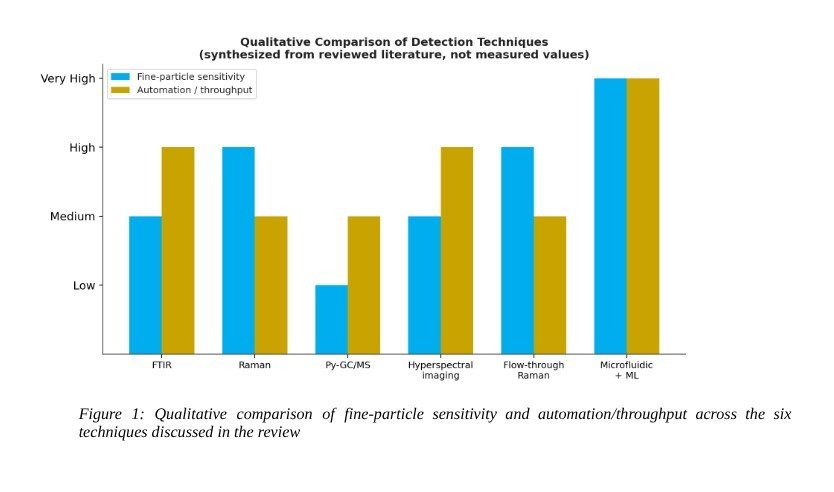
Figure 1: Qualitative comparison of fine-particle sensitivity and automation/throughput across the six techniques discussed in the review
| Technique | Particle/Mass
Basis |
Fine-ParticleSensitivity | Automation /Throughput | Sample
Preservation |
Key Limitation |
|---|---|---|---|---|---|
| FTIR microspectroscopy | Particle-based | Medium | High | Non-destructive | No consensus on size threshold / spectral QC criteria |
| Raman microspectroscopy | Particle-based | High (<20 μm) | Medium | Non-destructive | Fluorescence interference from dyes/biofilm |
| Py-GC/MS | Mass-
based |
Not size-resolved | Medium | Destructive | No particle shape, colour or size distribution retained |
| AI hyperspectral imaging | Particle-based | Medium | High | Non-destructive | Cannot yet replace confirmatory spectroscopy for fine particles |
| Flow-through Raman | Particle-based | High | Medium | Non-destructive | Narrower coverage than imaging; still fluorescence-sensitive |
| Microfluidic + machine learning | Particle-based | Very High (<50 μm) | Very High | Partial | Less suited to rapid, high-volume screening |
Table 2: Comparative synthesis matrix of detection techniques, extracted from the reviewed literature
The comparison shows a clear trade-off pattern rather than a single best method: Raman-based approaches (standard and flow-through) offer the strongest sub-20 μm sensitivity but are throughput-limited by fluorescence interference, FTIR trades some fine-particle sensitivity for automation and broad polymer coverage, Py-GC/MS abandons particle level information altogether in exchange for direct polymer mass quantification and the microfluidic-plus-machine-learning approach is the only technique rated highly on both axes, at the cost of narrower field validation. This pattern is consistent with the review’s central argument: no single technique is sufficient on its own, and harmonization requires combining complementary methods under a shared reporting standard rather than replacing one method with another.
Interpretation
The comparative synthesis matrix makes clear that the six detection techniques reviewed do not converge on a single “best” method — instead, they trace a consistent trade off between fine-particle sensitivity and automation/throughput. Raman-based approaches, both standard and flow-through, achieve the strongest sub-20 μm sensitivity of the three established techniques, which matches the review’s own emphasis on Raman as the preferred tool when the fine fraction is analytically important. However, this sensitivity comes at a cost: both Raman variants are rated only medium on automation, reflecting the review’s repeated caution that fluorescence interference from dyes, biofilms and weathered surfaces slows acquisition and limits how many particles can realistically be screened in a routine monitoring programme.
FTIR sits at the opposite end of that trade-off. It is rated high on automation and throughput — consistent with the review’s description of FTIR as the most widely adopted technique because of its compatibility with imaging-based, automated screening of hundreds or thousands of particles — but only medium on fine-particle sensitivity, since its performance depends heavily on filter choice, pretreatment quality and a size threshold that the field has not yet standardised. This positions FTIR as the practical default for routine, high-volume monitoring, while leaving a systematic gap at the smallest size fractions that potable-water studies suggest may hold the majority of particles present.
Py-GC/MS stands apart from both because it is mass-based rather than particle-based. It is deliberately rated as “not size-resolved” rather than low, since the comparison itself does not apply in the same terms: the technique answers a different analytical question, trading all particle level information (shape, colour, size distribution) for direct polymer-mass quantification. Its medium automation rating reflects that it can process heterogeneous residues efficiently in a single run, but its destructive nature means it cannot be used interchangeably with FTIR or Raman — it complements them rather than competing with them.
The emerging technologies show a similar pattern of trade-offs rather than a clear “next-generation” replacement. Hyperspectral imaging pairs high automation with only medium sensitivity, functioning as a first-pass screening layer rather than a confirmatory tool. Flow-through Raman inherits Raman’s high sensitivity but remains only medium on throughput because it is narrower in coverage, better suited to continuous point monitoring than to large-scale screening. Microfluidic detection coupled with machine learning is the only technique rated highly on both axes, combining very high sensitivity below 50 μm with very high automation — but the review is explicit that this comes with reduced sample preservation and a technique still largely confined to controlled seawater trials rather than validated field monitoring.
Read together, the matrix supports the review’s central position on harmonization: no single instrument is positioned to replace the others, because sensitivity and scalability have so far moved in opposite directions across every established technique. The only method that appears to break this pattern (microfluidics plus machine learning) is also the least field-validated, meaning it cannot yet be relied upon as a universal solution. This reinforces why the review frames harmonization as a matter of combining complementary techniques under shared reporting and quality-assurance standards, rather than searching for one method capable of satisfying every monitoring need at once.
Key Findings
- No single detection technique rates highly on both fine-particle sensitivity and automation/throughput among the three established methods (FTIR, Raman, Py-GC/MS), each involves a distinct trade-off.
- Raman-based approaches (standard and flow-through) offer the strongest sub-20 μm sensitivity but are throughput-limited by fluorescence interference from dyes, biofilms and weathered surfaces.
- FTIR trades some fine-particle sensitivity for automation and broad polymer coverage, making it the more practical choice for high-volume, routine monitoring despite the field’s lack of consensus on a standard size threshold.
- Py-GC/MS abandons particle level information (shape, colour, size distribution) altogether in exchange for direct, destructive polymer-mass quantification, positioning it as a complementary rather than substitutable technique.
- Microfluidic detection coupled with machine learning is the only technique rated highly on both fine-particle sensitivity and automation, but this comes with reduced sample preservation and limited field validation beyond controlled trials.
- Across all six techniques, the comparison shows a consistent pattern: methods that maximise sensitivity sacrifice scalability, and methods that maximise scalability sacrifice sensitivity, reinforcing that harmonization depends on combining techniques rather than selecting one.
Limitations of the study
- No primary or experimental data: the comparison matrix is a qualitative synthesis of descriptions already reported in the reviewed literature; it does not reflect new instrument testing or side-by-side laboratory validation.
- Qualitative rating subjectivity: standardising descriptive language from the text (e.g., “high resolution,” “slower,” “narrower coverage”) into ordinal categories (Low/Medium/High/Very High) involves interpretive judgement; a different reader could reasonably assign different ratings from the same passages.
- Context-dependent performance: ratings such as “fine-particle sensitivity” and “automation” are generalised across studies conducted under different sample matrices, instrument settings and calibration standards, so the comparison may understate how much performance varies by application (e.g., drinking water versus turbid river water).
- Unequal evidentiary support: the three established techniques (FTIR, Raman, Py-GC/MS) are backed by a larger and more mature body of validation studies than the three emerging technologies, so their ratings rest on firmer evidence than those for hyperspectral imaging, flow-through Raman, or microfluidic detection.
- Non-comparable metrics for Py-GC/MS: because it is mass-based rather than particle-based, forcing it into the same sensitivity/automation framework as the particle-imaging techniques risks oversimplifying a method that answers a fundamentally different analytical question.
- Rapidly evolving evidence base: the emerging-technology assessments in particular are likely to be superseded quickly as more field-validation studies are published, since these methods are still at an early stage of adoption.
Conclusion
The comparative analysis shows that the search for a single, universally superior detection technique is unlikely to resolve the harmonization problem in micro and macroplastic monitoring. Every established method embodies a trade-off: Raman offers the sharpest resolution at the smallest particle sizes but at the cost of speed, FTIR offers speed and automation at the cost of some sensitivity, and Py-GC/MS offers direct mass quantification at the cost of all particle level detail. Even the most promising emerging technology, microfluidic detection coupled with machine learning, which is the only method to score highly on both sensitivity and automation, remains constrained by limited field validation and reduced sample preservation.
The practical implication is that harmonization should be pursued through complementary pairing of techniques rather than replacement of one by another — for example, using FTIR for automated first-pass screening, Raman for confirmatory analysis of the sub-20 μm fraction, and Py-GC/MS for polymer-mass verification where mass balance matters more than particle morphology. Governing this combination with shared reporting standards, declared size thresholds, and consistent quality-assurance protocols would allow laboratories to select the technique best suited to their monitoring goal while still producing data that remains comparable across studies. In this sense, the value of the comparison is not in identifying a winner, but in clarifying which method should be trusted for which specific analytical question.
References
Campanale, C., Savino, I., Pojar, I., Massarelli, C., & Uricchio, V. F. (2020). A practical overview of methodologies for sampling and analysis of microplastics in riverine environments. Sustainability, 12(17), 6755.
https://doi.org/10.3390/su12176755
Ccanccapa-Cartagena, A., Gopakumar, A. N., & Salehi, M. (2025). A straightforward Py-GC/MS methodology for quantification of microplastics in tap water. MethodsX, 14, 103173.
https://doi.org/10.1016/j.mex.2025.103173
Jung, E. S., Choe, J. H., Kim, J. S., Ahn, D. W., Yoo, J., Choi, T. M., & Pyo, S. G. (2024).Quantitative Raman analysis of microplastics in water using peak area ratios for concentration determination. npj Clean Water, 7, Article 104.
https://doi.org/10.1038/s41545-024-00397-4
Santos, L. H. M. L. M., Insa, S., Arxé, M., Buttiglieri, G., Rodríguez-Mozaz, S., & Barceló, (2023). Analysis of microplastics in the environment: Identification and quantification of trace levels of common types of plastic polymers using pyrolysis-GC/MS. MethodsX, 10, 102143.
Zea Cobos, A. G., Amón, J., Leon, E., & Caballero, P. (2024). Standardization of FTIR-based methodologies for microplastics detection in drinking water: A meta-analysis indeed and practical approach. Water, 16(22), 3170.
https://doi.org/10.3390/w16223170
Obersteiner, G., Bordós, G., Lenz, S., Liedermann, M., Mayerhofer, J., Ottner, R., Pessenlehner, S., Petrović, M., & Ubavin, D. (2025). Assessment of different sampling, sample preparation and analysis methods addressing microplastic concentration and transport in medium and large rivers based on research in the Danube River Basin. Sustainability, 17(13), 5836.
https://doi.org/10.3390/su17135836
Bellasi, A., Binda, G., Pozzi, A., Galafassi, S., Volta, P., & Bettinetti, R. (2020). Microplastic contamination in freshwater environments: A review, focusing on interactions with sediments and benthic organisms. Environments, 7(4), 30.
https://doi.org/10.3390/environments7040030
Bhardwaj, L. K., Rath, P., Yadav, P., & Gupta, U. (2024). Microplastic contamination, an emerging threat to the freshwater environment: A systematic review. Environmental Systems Research, 13, Article 8.
https://doi.org/10.1186/s40068-024-00338-7
Cera, A., Cesarini, G., & Scalici, M. (2020). Microplastics in freshwater: What is the news from the world? Diversity, 12(7), 276.
Jenkins, T., Persaud, B. D., Cowger, W., Szigeti, K., Roche, D. G., Clary, E., Slowinski, S., Lei, B., Abeynayaka, A., Nyadjro, E. S., Maes, T., Thornton Hampton, L., Bergmann, M., Aherne, J., Mason, S. A., Honek, J. F., Rezanezhad, F., Lusher, A. L., Booth, A. M.,… Van Cappellen, P. (2022). Current state of microplastic pollution research data: Trends in availability and sources of open data. Frontiers in Environmental Science, 10, Article 912107.
https://doi.org/10.3389/fenvs.2022.912107
Koelmans, A. A., Lally, H. T., & Murphy, S. (2020). Microplastics in freshwater biota: A critical review of isolation, characterization, and assessment methods. Global Challenges, 4(6), 1800118.
Swain, P. R., Parida, P. K., Majhi, P. J., Behera, B. K., & Das, B. K. (2025). Microplastics as emerging contaminants: Challenges in inland aquatic food web. Water, 17(2), 201.
https://doi.org/10.3390/w17020201
Veerasingam, S., Anbumani, S., Bagaev, A., & Vethamony, P. (2022). Editorial: Challenges in characterizing nano- to macro-plastics and adhered substances in the aquatic environment. Frontiers in Environmental Science, 10, Article 1077580.
https://doi.org/10.3389/fenvs.2022.1077580
Vriend, P., Roebroek, C. T. J., & van Emmerik, T. (2020a). Same but different: A framework to design and compare riverbank plastic monitoring strategies. Frontiers in Water, 2, Article 563791.
https://doi.org/10.3389/frwa.2020.563791
Vriend, P., van Calcar, C., Kooi, M., Landman, H., Pikaar, R., & van Emmerik, T. (2020b). Rapid assessment of floating macroplastic transport in the Rhine. Frontiers in Marine Science, 7, Article 10.
https://doi.org/10.3389/fmars.2020.00010.
Vriend, P., van Calcar, C., Kooi, M., Landman, H., Pikaar, R., & van Emmerik, T. (2020). Rapid assessment of floating macroplastic transport in the Rhine. Frontiers in Marine Science, 7, 10.
https://doi.org/10.3389/fmars.2020.00010
van Emmerik, T., Vriend, P., & Copius Peereboom, E. (2022). Roadmap for long-term macroplastic monitoring in rivers. Frontiers in Environmental Science, 9, 802245.
https://doi.org/10.3389/fenvs.2021.802245
Feld, L., Silva, V., Murphy, F., Hartmann, N., & Strand, J. (2021). A study of microplastic particles in Danish tap water. Water, 13(15), 2097.
https://doi.org/10.3390/w13152097
Hagelskjær, O., Hagelskjær, F., Margenat, H., Yakovenko, N., Sonke, J. E., & Le Roux, G. (2025). Majority of potable water microplastics are smaller than the 20 μm EU methodology limit for consumable water quality. PLOS Water, 4(1), e0000250.
https://doi.org/10.1371/journal.pwat.0000250
Nava, V., & Leoni, B. (2021). Comparison of different procedures for separating microplastics from sediments. Water, 13(20), 2854.
https://doi.org/10.3390/w13202854
Ciornii, D., Hodoroaba, V.-D., Benismail, N., Maltseva, A., Ferrer, J. F., et al. (2025). Interlaboratory comparison reveals state of the art in microplastic detection and quantification methods. Analytical Chemistry, 97(16), 8719–8728.
https://doi.org/10.1021/acs.analchem.4c05403
Geraeds, M., van Emmerik, T., de Vries, R., & bin Ab Razak, M. S. (2019). Riverine plastic litter monitoring using Unmanned Aerial Vehicles (UAVs). Remote Sensing, 11(17), 2045.
https://doi.org/10.3390/rs11172045
Ivleva, N. P. (2021). Chemical analysis of microplastics and nanoplastics: Challenges, advanced methods, and perspectives. Chemical Reviews, 121(19), 11886–11936.
https://doi.org/10.1021/acs.chemrev.1c00178
van Calcar, C. J., & van Emmerik, T. H. M. (2019). Abundance of plastic debris across European and Asian rivers. Environmental Research Letters, 14(12), 124051.
https://doi.org/10.1088/1748-9326/ab5468
Cowger, W. C., Booth, A., Hamilton, B. M., Thaysen, C., Primpke, S., Munno, K., Lusher, A., Dehaut, A., Vaz, V. P., Liboiron, M., Devriese, L., Hermabessiere, L., Rochman, C. M., Athey, S. N., Lynch, J., Frond, H. D., Gray, A., Jones, O. A. H., Brander, S., … Nel, H. (2020). Reporting Guidelines to Increase the Reproducibility and Comparability of Research on Microplastics. Applied Spectroscopy, 74, 1066–1077.
https://doi.org/10.1177/0003702820930292
Danopoulos, E., Twiddy, M., & Rotchell, J. (2020). Microplastic contamination of drinking water: A systematic review. PLoS ONE, 15.
https://doi.org/10.1371/journal.pone.0236838
Schymanski, D., Oßmann, B., Benismail, N., Boukerma, K., Dallmann, G., Esch, E. von der, Fischer, D., Fischer, F., Gilliland, D., Glas, K., Hofmann, T., Käppler, A., Lacorte, S., Marco, J., Rakwe, M. E., Weisser, J., Witzig, C. S., Zumbülte, N., & Ivleva, N. (2021). Analysis of microplastics in drinking water and other clean water samples with micro-Raman and micro-infrared spectroscopy: minimum requirements and best practice guidelines. Analytical and Bioanalytical Chemistry, 413, 5969–5994. Analysis of microplastics in drinking water and other clean water samples with micro-Raman and micro-infrared spectroscopy: minimum requirements and best practice guidelines | Analytical and Bioanalytical Chemistry
Blettler, M., Abrial, E., Khan, F., Sivri, N., & Espínola, L. (2018). Freshwater plastic pollution: Recognizing research biases and identifying knowledge gaps. Water Research, 143, 416–424.
https://doi.org/10.1016/j.watres.2018.06.015
Hampton, L. M. T., Frond, H. D., Gesulga, K., Kotar, S., Lao, W., Matuch, C., Weisberg, S., Wong, C. S., Brander, S., Christansen, S., Cook, C., Du, F., Ghosal, S., Gray, A., Hankett, J. M., Helm, P., Ho, K., Kefela, T., Lattin, G., … Rochman, C. M. (2023). The influence of complex matrices on method performance in extracting and monitoring for microplastics. Chemosphere, 138875.
https://doi.org/10.1016/j.chemosphere.2023.138875
Gong, L., Martínez, O., Mesquita, P., Kurtz, K. R., Xu, Y., & Lin, Y. (2023). A microfluidic approach for label-free identification of small-sized microplastics in seawater. Scientific Reports, 13.
https://doi.org/10.1038/s41598-023-37900-9
Faltynkova, A., Johnsen, G., & Wagner, M. (2021). Hyperspectral imaging as an emerging tool to analyze microplastics: A systematic review and recommendations for future development. Microplastics and Nanoplastics, 1.
https://doi.org/10.1186/s43591-021-00014-y
Kniggendorf, A., Wetzel, C., & Roth, B. (2019). Microplastics Detection in Streaming Tap Water with Raman Spectroscopy. Sensors (Basel, Switzerland), 19.
https://doi.org/10.3390/s19081839
Lu, Ziajahromi, Neale, and Leusch, 2021, Science of the Total Environment — systematic review of freshwater microplastics in water and sediments with recommendations for harmonisation.
https://doi.org/10.1016/j.scitotenv.2021.146693
van Mourik et al., 2021, Science of the Total Environment — global interlaboratory study showing urgent need for harmonization.
https://doi.org/10.1016/j.scitotenv.2021.145071
De Frond et al., 2022, Chemosphere — interlaboratory study on monitoring microplastics in drinking water. https://doi.org/10.1016/j.chemosphere.2022.134282
Munno et al., 2023, Chemosphere — blank-sample study informing QA/QC best practice for microplastic analysis.