IISPPR

Category: Health

Health
Priyanka D

Social Media and Its Impact on Adolescent Mental Health

Social media are integral to adolescent lives and help development in areas of identity, self-esteem, and mental well-being. They connect and educate. When used excessively, social media can also lead to anxiety, depression, and cyberbullying, disrupting sleep. Awareness can help mitigate any of the harmful effects of online behavior, ultimately helping to build better digital habits. Follow this advice to balance screen time, shield the mental health of adolescents, and help them enjoy their time online.

Read More »
Health
Niharika Punia

UNDERSTANDING THE LINK BETWEEN CHILDHOOD TRAUMA AND SUBSTANCE ABUSE

Emotional and psychological health are greatly impacted by childhood trauma, which frequently results in substance misuse as a coping strategy. According to the self-medication theory, people who have experienced early-life trauma turn to drugs or alcohol as a coping mechanism. Trauma increases the likelihood of addiction by changing attachment patterns and neurobiological pathways. In order to create trauma-informed therapies that address drug abuse and emotional recovery, eventually ending the cycle of addiction and promoting resilience, it is imperative to comprehend this relationship.

Read More »
Health
Niharika Punia

CHILDHOOD TRAUMA AND ADULT PSYCHOLOGY

Childhood trauma profoundly affects psychological health, often resulting in anxiety, depression, and PTSD. Neurobiological changes, such as amygdala hyperactivity and hippocampal shrinkage, impair emotional regulation and memory. Early interventions like CBT, TF-CBT, and EMDR can promote recovery, emphasizing the importance of trauma-informed care and continued research.

Read More »
Health
khushi Jain

The Psychological Aftermaths of Traumatic Brain Injury

Bhumi Sharma, Khushi Jain Traumatic Brain Injury (TBI) can lead to overwhelming and lasting effects on a person’s cognitive, behavioural, emotional and overall psychological functioning. Issues like memory loss, mood swings, aggressive behaviour and in some cases psychological disorders like major depressive disorder, anxiety disorder; are not that uncommon in people who have suffered from a TBI. Research in this field can provide us with a better understanding of the psychological effects of a physical injury and can help us build better interventions and treatments. It can also help in exploring the relationship between TBI and development of psychological disorders and delve deeper into neuropsychology. This article will talk about long-term cognitive, emotional, and behavioral outcomes of TBI; and the relationship between TBI and the development of psychiatric disorders. The Multifaceted Impact of Traumatic Brain Injury on Mental Health  Traumatic brain injury (TBI) is the leading cause of disability in those aged under 40 years, commonly affecting young males injured in road traffic accidents. The injury interrupts the important developmental transition to independence and results in significant emotional distress (Ponsford et al. 1995). Clarification is also required concerning the contribution of pre-injury psychiatric history to post-injury disorders. The literature variously posits that preinjury disorders increase risk for post-injury disorder development (Deb et al. 1999; Ashman et al. 2004), that they are not significantly associated (Fann et al. 1995; Jorge et al. 2004), or that those without a pre-injury history have an increased risk of post-injury psychiatric disorder (Fann et al. 2004). Importantly, there are dramatic variations in reported incidence and prevalence rates between studies, with post-injury incidence of depression ranging from 15.3% to 33% and prevalence from 18.5% to 77% (Kim et al. 2007). Reported prevalence of anxiety disorder ranges between 19% (Rutherford et al. 1977) and 70% (Lewis, 1942). Traumatic brain injury (TBI) is a critical condition that impacts individual  cognitive functions (memory deficits, post-traumatic amnesia, and attention challenges), emotional stability (depression, anxiety, and PTSD), and behavioral functions (aggression, impulsivity, and social withdrawal).Historically, TBI has been linked to post-traumatic amnesia (PTA), a global cognitive disturbance characterized by confusion, disorientation, and difficulty in storing or retrieving new information. This stage often includes retrograde amnesia, significantly impacting patients’ ability to reintegrate into daily life (Halalmeh et al., 2023). Early studies on sports-related concussions identified that individuals with repeated concussions exhibit greater susceptibility to neuropsychological deficits and long-term cognitive impairments. Younger children, in particular, are at a higher risk of prolonged cognitive deficits, emphasizing age as a critical factor influencing recovery trajectories. Recent advancements highlight virtual reality (VR)-based rehabilitation as a promising intervention. Semi-immersive VR has shown superior results in improving attention, memory, and executive functions compared to traditional methods, offering an engaging approach to cognitive recovery post-TBI (De Luca et al., 2019). However, significant gaps persist. Given the individual variability in TBI experiences, these findings may not be generalizable across diverse populations. Personalized rehabilitation plans tailored to individual needs remain underexplored. However, future research must address the heterogeneity of TBI experiences to ensure equitable and effective interventions for all patients. TBI and Psychological Disorders Traumatic Brain Injury or TBI is when the brain suffers an injury from an external force and can range from mild to severe, which can even lead to death. The relationship between TBI and psychological disorders is intimate but complex. The interplay between neurological damage from TBI and the onset of psychiatric conditions is complex, and understanding this relationship is crucial for improving the treatment and outcomes for individuals affected by brain injuries. The most common consequences of TBI are psychological and psychosocial impairment and may result in a broad range of emotional and behavioural abnormalities. The most severe manifestation is in the form of psychological disorders. According to studies the frequency of psychiatric disorders in individuals is higher than in the general population and in individuals prior to injury. These suggest that the chance of mood and anxiety disorders to occur increases during the first year post injury. Around 70% of people after suffering from a Traumatic Brain Injury exhibited Sleep-wake dysfunction. Post-mortem detailed evaluations of the brains of patients who did and did not suffer from TBI showed a significant reduction in hypocretin neurons which causes excessive daytime sleepiness. Behavioral, Cognitive and Emotional Effects on TBI  Traumatic brain injuries extend far beyond physical damage, significantly impacting an individual’s daily functioning and overall quality of life. These effects are not limited to the individual but also influence their social environment and the people around them.This theme is vital as it sheds light on how various impairments such as memory loss, emotional instability, and social withdrawal, aggression, impulsivity undermines an individual’s independence and productivity. The complexity and uniqueness of each injury highlights the necessity for tailored interventions, as a standardized approach fails to accommodate the diverse challenges faced by TBI survivors. Understanding the multifaceted impacts of TBI is crucial for developing effective strategies to support individuals in regaining functionality and improving their quality of life, while also easing the burden on their caregivers and support systems. The interventions are necessary as the course of recovery for a TBI survivor can be lengthy and challenging both on the survivor and the caregiver as it requires proper care, timed medications, follow ups which can become a burdened in the caregiver’s life and it may result in emotional disturbances in caregivers such as anxiety or depression and its adverse effects may stay longer in their life. Hence tailored approaches, such as cognitive rehabilitation, psychotherapy, and structured support systems, help survivors regain independence while providing caregivers with the resources and coping strategies needed to manage their roles effectively. This holistic approach ensures better outcomes for both survivors and their support networks. TBI in Military Personnel: Unique Cognitive and Emotional Challenges Most studies presented previously describe TBI in civilian populations. However, given the high rates of TBI among veterans and military service members, it is crucial to understand how it affects their cognitive, emotional, and behavioral functions. The acute effects of

Read More »
Health
sanjna senthilkumar

The Role of Creative Arts therapy in Trauma recovery

by Sanjna Senthil Kumar Introduction Trauma affects millions worldwide, with significant mental health consequences such as post-traumatic stress disorder (PTSD), depression, and anxiety. Approximately 10 % of people exposed to a traumatic event develop posttraumatic stress disorder (PTSD) (Daskalakis et al., 2018). Conventional therapies such as cognitive-behavioural therapy (CBT) are widely used but can be insufficient for some individuals, particularly for whom verbal processing of trauma is challenging (van der Kolk, 2015). This necessitates the need  to discover, and practise alternative treatments methods. In addition, it has been demonstrated that people with PTSD have memory deteriorations, specifically relating to verbal memory. (Samuelson, 2011) . In cases like these, Creative arts therapy (CAT) has emerged as an innovative and effective therapeutic approach for addressing trauma. (De Witte et al., 2021).  Creative Arts Therapy for Trauma Treatment Trauma, often characterised by overwhelming emotional responses to distressing events, disrupts the brain’s capacity for memory processing and emotional regulation (van der Kolk, 2015). Traditional talk therapies, while effective for many, may not sufficiently address the needs of individuals who struggle to articulate their experiences due to trauma-induced linguistic impairments, often referred to as “speechless terror”. Western treatment protocols for psychological trauma often include recitation of narratives, despite evidence that the human brain’s storage of traumatic memories undermines verbalisation. Creative arts therapists overcome this paradox in trauma recovery through nonlinguistic communication methods (Harris, 2009). CAT offers an alternative, non-verbal pathway to healing, providing survivors with opportunities to express, process, and transform their experiences creatively. Recent advancements in neuroscience and trauma therapy have highlighted the value of CAT, particularly in its ability to activate brain regions associated with sensory processing, emotional regulation, and memory reorganisation (Malchiodi, 2020). In culturally diverse settings, including India, CAT has proven to be adaptable, integrating indigenous art forms to create meaningful and relevant interventions.  Trauma: A Global and Indian Perspective Trauma exerts profound effects on the mind and body, impairing emotional stability, cognitive functioning, and social relationships. An estimated 3.9% of the world population has had post-traumatic stress disorder (PTSD) at some stage in their lives. Up to 40% of people with PTSD recover within one year. Whilst there are many effective treatments for PTSD, only 1 in 4 people with PTSD in low and middle-income countries (LMICs) report seeking any form of treatment. Barriers to care include lack of awareness that PTSD can be treated, lack of availability of mental health services, social stigma and lack of trained mental health care providers (World Health Organization: WHO, 2024). Moreover, conventional therapies such as cognitive-behavioural therapy focus on verbal articulation of trauma. Yet this approach can be challenging for individuals whose traumatic experiences have disrupted the brain’s linguistic and cognitive processing abilities (van der Kolk, 2015).  In India, trauma emerges from unique sociocultural and systemic factors. High rates of domestic violence, communal violence, and displacement due to natural disasters or conflicts disproportionately affect vulnerable populations, including women, children, and marginalised communities (Jhaveri, 2020). Stigma surrounding mental health exacerbates the challenge, limiting access to traditional mental health care. Against this backdrop, CAT provides a culturally sensitive and accessible alternative by integrating local art forms such as rangoli, folk music, and traditional dance into therapeutic practices, fostering greater engagement and healing (Banerjee, 2024). Mechanisms of Creative Arts Therapy in Trauma Recovery Creative Arts Therapy engages non-verbal modes of expression, enabling trauma survivors to process their experiences without reliance on language alone. By tapping into the brain’s right hemisphere associated with creativity and sensory processing, CAT facilitates emotional expression and memory reorganisation. Neuroscience research has demonstrated that CAT activates neural pathways involved in trauma resolution, supporting emotional regulation and resilience (Hass-Cohen et al., 2018). Art Therapy Art therapy is one of the most widely recognized modalities of CAT, utilising visual expression to externalise trauma and emotions. Creating symbolic representations of distress allows individuals to gain distance from their experiences, fostering a sense of control and safety (Hass-Cohen et al., 2018). A study by Stuckey and Nobel (2010) found that trauma survivors engaging in art therapy experienced significant reductions in anxiety and depressive symptoms. Similarly, Chapman et al. (2001) observed that survivors of interpersonal trauma reported heightened resilience after participating in structured art therapy. Art therapy allows for the creation of symbolic representations of trauma, which research suggests can foster emotional regulation and provide distance from distressing experiences (Hass-Cohen & Carr, 2008; Schouten et al., 2014). In Sri Lanka art therapy workshops for tsunami survivors revealed significant reductions in PTSD symptoms among children, who used drawing to express grief and fear (Chilcote, 2007). A 4-week art therapy intervention was implemented at a local school for 113 children ages 5 to 13. Art therapy was found to be an effective cross cultural intervention for these young tsunami survivors.  Music Therapy Music therapy employs rhythm, melody, and harmony to regulate emotions, reduce stress, and foster connection. Research indicates that music therapy aids in emotional regulation and stress reduction, which are essential for trauma recovery (Bensimon et al., 2008 ; Carr et al., 2011). Music therapy also fosters relaxation and lowers cortisol levels, helping patients manage symptoms of hypervigilance and anxiety (Silverman, 2003). Traditional Indian instruments like the sitar and tabla have been successfully integrated into therapeutic sessions, providing survivors with culturally resonant ways to engage in healing (Sundar, 2007).  Dance/Movement Therapy Dance/Movement Therapy (DMT) emphasises bodily expression to process trauma held somatically. Trauma often manifests in physical symptoms, such as muscle tension and chronic pain, which DMT addresses by reconnecting individuals with their bodies and fostering a sense of agency (Tomaszewski et al., 2023).  Dance/movement therapy, which emphasises physical expression, helps individuals process trauma held in the body, a phenomenon often referred to as “somatic memory” (Bujorbarua, 2020). Individuals therefore experience increased bodily awareness and reduced somatic symptoms related to trauma (Steinberg-Oren et al., 2016).  In India, Bharatanatyam-based dance therapy programs for survivors of abuse have been effective in reducing dissociation and improving self-esteem, as movement encourages survivors to reclaim their physical presence and autonomy. Bharatanatyam can

Read More »
Health
Bhavya Gupta

Psychological Surveys: An Essential Component of Mental Health Diagnostics?

By Bhavya Gupta Introduction Health is a philosophical concept that encompasses a fulfilling life, purpose, positive relationships, self-respect, and mastery, rather than merely the absence of illness (Ryff & Singer, 1998; WHO, 2000, 2004) Mental health diagnostics are subtle art of identifying and treating mental disorders, which greatly modify the mental makeup of many other people. Surveys form the basis of that information-from surveys flow information which on both a broader level determines public health strategy and, on a narrower personal level, works on individual treatment planning (Torre et al., 2023) Development in surveys continues to be focused on validating and testing a new approach, including overcoming biases and building effective methodologies (Torre et al., 2023; Wackers & Schille-Rognmo, 2022). With the use of surveys, one may detect mental disorders early which further may prevent mental disorders from becoming progressively worse, and hence, allow good treatment (Sarkar et al., 2022). With surveys providing greater social insight across cultures, surveys inform health policy and improve care for those struggling with mental health issues (Abidogun, 2023; Lutejin, 2019; Bhugra, 2022). Understanding Psychological Surveys Before understanding psychological surveys, it is important to understand the background of traditional mental health diagnostics that inculcated surveys later in development. Conventional diagnostic methods in mental health primarily involve trained practitioners conducting clinical interviews and assessments According to Mueller and Segal (2015), these approaches may range from structured to semi-structured and unstructured with benefits and limitations regarding their application for reliability and validity. While these assessment tools are based on correctly diagnosing the condition, any judgment the clinician employs in interpreting the symptoms can translate into inconsistencies in diagnosis and treatment (Novak, 2015). In addition, access to mental health care is limited for many, due to different social and economic conditions and their geographical locations (Rudenko, 2023). The stigma surrounding mental health poses another obstacle for the diagnostic process, but a limiting resource for the very purposes of diagnosis (Rudenko, 2023). In such a case, psychological surveys could function as a better-enhanced traditional diagnostic method. The accessibility of surveys is somewhat complex and methodological, concerning survey design, scoring, and cognitive processes of responders. A survey is defined as one that collects measures and analyzes data from a sample of respondents to make generalizations about behavior in itself (American Psychological Association, 2018). Surveys can provide answers to many questions, assess needs, set goals, and analyze trends over time (Cambridge English Dictionary: Meanings & Definitions, 2024). Their ability to garner user-friendly and standardised data helps to expand the frontiers of the traditional diagnostic method and enhances the accuracy and accessibility of assessment in mental health. Kraemer (1991) identified three distinguishing features of survey research: Survey research provides quantitative information about a specific population. These aspects frequently involve investigating the relationships between variables. Survey research data is subjective as it comes from individuals. Survey research involves sampling a subset of the population and generalising the findings to the entire population. These surveys seek to measure the prevalence of different mental health issues, such as those related to specific populations such as tech professionals, along with attitudes towards mental health in the workplace (Rasheed et al., 2024). Furthermore, the psychometric instruments used in these surveys are critical for ensuring the reliability and validity of the data collected, even though they may have methodological challenges due to their historical development (Wackers & Schille-Rognmo, 2022). Overall, psychological surveys are critical in mental health assessment, guiding targeted interventions and improving overall well-being. Technological Advancements in Psychological Surveys Technology such as mobile phones and digital platforms has revamped the administration of psychological surveys to a new degree of efficiency and ease of access. These technologies allow a continuous collection of data in real time, with enhanced ecological validity and reduced biases from alternative methods (Elosua et al., 2023). Mobile applications such as PsychVey make survey construction and data analysis seamless with minimal errors from the side of the respondents (Nguyen et al., 2015). In addition to this, the development of AI and machine learning is transforming data analysis: they can analyze data fast and efficiently in volumes that far surpass the capabilities of a human analyst. AI algorithms will also contribute to the personalization of survey experiences via adaptive questioning based on previous answers by respondents. Such advances will allow for the mining of meaningful information from large volumes of data, thus improving clinical inferences (Galatzer-Levy & Onnela, 2023). These serve well for remote assessments and telehealth, while wearable technologies allow continuous monitoring of psychological health, which integrates self-tracking with therapeutic interventions. This is especially critical in enhancing the availability of mental health resources to remotely located individuals with mobility difficulties (Morris & Aguilera, 2022). Nevertheless, the mentioned advantages bring into the equation various concerns about data privacy and the need for stringent validation of these digital tools in a clinical context (“Digital technologies and the future of social surveys”, 2023). Future Trends There lies the possibility for great evolution into the future of psychological surveys concerning personalisation, integration with health care and continuous monitoring, all acting to improve the relevance of psychological assessment and the patient’s clinical outcomes (Cernigilia, 2024). While new surveys will personalize questions according to context and background, they will also be built upon psychometrically validated frameworks- evidence of their relevance. Personalized feedback mechanisms that allow for individual-response modification of treatment approaches will also arise (Farhat-ul-Ain et al., 2022). Surveys will become part of everyday healthcare, enabling observation of mental alongside physical health (Paradiso et al., 2010). Electronic health records (EHRs) will integrate with operational data, providing a comprehensive view of individual patient health and helping make care more personalized (Andrew et.al, 2024). This recent change in the dynamic of analytical models will open the space for longitudinal assessments (Oliden et.al, 2023) Conclusion In conclusion, psychological surveys are a fundamental part of mental health diagnostics, and they have introduced many advancements over traditional approaches by standardizing and making data collection more accessible. And with technology, especially mobile applications and artificial intelligence,

Read More »
Health
Kimneicheing Houkip

Neural dysfunction symptoms, causes and interventions: Dyslexia.

Neural dysfunctions Neurological dysfunctions are abnormal conditions and/or impaired functioning of the brain and the nervous system which alters the efficiency of brain functions. These disorders not only affects the brain but the nerve as well, including the spinal cord resulting to abnormalities in the structure, biochemistry, or electrical functioning of the brain, resulting in a variety of symptoms, including pain, disorientation, paralysis, muscle weakness, loss of sensation, seizures, and changes in consciousness. Neurological disorders make it difficult for everyday movements. Our ability to move is a complex process involving many parts of our nervous system. Neurological disorders can disrupt this process, leading to problems in daily life. It’s important to know that these disorders are a major cause of disability and the second leading cause of death worldwide. (Mario Bernardo-Filho, et al. ) Numerous neurological dysfunctions stemming from the brain, spinal cord, and nerves result in a wide range of physical and psychological symptoms. Such disorders affect the overall functioning such as movement, sensation, communication, vision, hearing, thinking, and emotion, necessitating lifelong management and are often identified early in development, and symptoms manifest themselves physically, cognitively, emotionally.  Dyslexia: Dyslexia, also known as Alexia, is an atypical combination of skills. It is a syndrome, meaning a group of related characteristics that differ in intensity from person to person. These traits include not only specific challenges but also, at times, unique strengths. Dyslexia is acknowledged as a specific learning disability with a neurological origin.   The central component of dyslexia is in its phonological deficit which affects the way children link letters to sounds and decode words. This deficit is often detectable before children receive formal reading instructions. Dyslexia is heterogeneous in nature. In fact, it is not only characterized by phonological deficit but there are other language related challenges such as vocabulary and oral language skills. (Snowling MJ et al, 2020) In addition to reading, students may struggle with spelling and writing. (McBride & Rui En Cheah, 2021). Elliott (2020) argues that there is a lack of standardized criteria for diagnosing dyslexia which creates confusion about when and how to identify and provide intervention. This generates disorientation on who is to be identified as “dyslexic” as its identification depends on the methods used for diagnosis. (Elliott, 2020) Earlier, dyslexia was essentially a reading difficulty coupled with spelling and literacy, often referred to as “reading blindness” Over time, as research on dyslexic learners has expanded, the understanding of dyslexia has broadened, leading to modifications in its definitions. Various cognitive predictors apply to early reading and spelling (Sigmund et al., 2024). Although reading and spelling are significantly related to each other, they are different and dissociable skills important for development of literacy (Kim and Petscher 2023)  Elliott has given four concepts of dyslexia. Firstly, it has often treated dyslexia as synonymous with the idea of reading disability, and difficulty in decoding in word-level. Assessments involve the use of word reading tests and is relatively straightforward, which does not require a battery of psychological tests. (Elliott, 2020)  It is also a subgroup of poor decoders. Definitions from organizations such as the International Dyslexia Association emphasize its constitutional origin in neurology and highlight that dyslexia is a disorder related to language acquisition that runs in families with severe difficulties in reading, spelling, and writing words and sometimes in arithmetic. ) Lyon, Shaywitz, & Shaywitz, 2003, says that dyslexia has a neurobiological origin. However, researchers argue that this idea is an “outmoded notion” (Miciak & Fletcher, 2020, p. 7). Elliott also suggests dyslexia to be a persistent reading problem that doesn’t improve despite high-quality intervention. These people who do not respond to typical treatments will require alternative support. This idea comes with its own challenges. It is difficult to measure and determine when the issues are truly intractable and how long before a diagnosis can be done (Odegard et al., 2020).  Dyslexia is neurodiverse. It goes far beyond difficulties in reading. It includes impairment in cognitive skills such as memory, attention. Such view suggests that individuals with dyslexia doesn’t necessarily have to have reading difficulties as it may involve other cognitive challenges and certain strengths. However, it also brings about a host of conceptual and ethical difficulties. (Holmqvist, 2020)  Although there is a rise in publications, there is still no universally accepted definition of dyslexia. Thematic shifts indicate changing depths of focus rather than consensus (Helland, T., 2022) Symptoms & Characteristics: Symptoms of dyslexia include struggles with phonological awareness, decoding, processing, coding, short term memory, language skills, and comprehension across different age groups. It also affects cognitive skills such as memory. This condition may be linked to orthographic loop (letter-related) and morphological loop (vocabulary development) Essentially, characteristics of dyslexia may include poor decoding (difficulties with accurate reading and sound recognition) poor fluency (issues with speed, accuracy, expression, comprehension) poor spelling (challenges in phonological processing and memory that persists throughout life despite improvements in reading) poor reading comprehension (difficulties in decoding, fluency, phonological awareness) Research over time led to a new and evolved understanding of dyslexia. It is dynamic in nature and varies according to the individual. Development of dyslexia is influenced by neurodevelopmental changes, language and environment, including factors such as social and emotional characteristics (Wolf, M., Gotlieb et al, 2024) Causes:  Dyslexia stems from a complex interplay of genetic & environmental factors as with most disorders with hereditary influence (Catts & Petscher, 2022) Dyslexia extends beyond written language. It can arise from various interacting impairments of cognitive skills (Werth, R.,2024). It can lead to challenges in cognitive functions such as concentration, attention span, internalizing knowledge, automating skills, and motor skills. A complex interplay of visual processing and neurological functions causes dyslexia with certain conditions that lead to reading disabilities. (Werth, R. 2023) Dyslexia is neurobiological in origin, meaning that the problem is located physically in the brain (Snow, Burns, & Griffin, 1998).  Research suggests neuroanatomical and functional insights of dyslexia. For example, early theories claim dyslexia to be cause by an atypical hemispheric dominance,

Read More »
Health
Humaira Hasan

Does Screen Time Worsen ADHD Symptoms? Exploring the Connection

BY HUMAIRA HASAN INTRODUCTION With the rapidly growing technology, would one conclude that screen time has a role to play in amplifying the severity of ADHD? ADHD stands for Attention Deficit Hyperactivity Disorder which is a psychiatric condition that tends to impact individuals in various aspects of their lives ranging from interpersonal relationships to professional achievements. (American Psychiatric Association, n.d.) The global prevalence of ADHD in children and adolescents is estimated to be 8.0%. The rate is significantly higher in boys, at 10%, compared to 5% in girls. Among the three subtypes of ADHD, the inattentive type (ADHD-I) is the most common, followed by the hyperactive type (ADHD-HI) and the combined type (ADHD-C). (Danielson et al., 2024) According to the DSM-5, the symptoms of ADHD can manifest themselves in various forms some of them being reluctance to engage in tasks, requiring sustained mental effort, easily distracted, hyperactivity, and impulsivity. When left untreated, ADHD can gradually diminish long-term self-esteem and impair social functioning. (Harpin et al., 2013) Screen time refers to the time an individual spends on electronic devices such as smartphones, tablets, televisions, laptops, video game consoles, etc. (MedlinePlus, n.d.) There are numerous negative effects that screen time has on an individual’s well-being with some of them including but not just pertaining to ADHD patterns associated with poor sleep patterns, structural changes in the brain that affect cognitive control and emotional regulation, depressive symptoms, etc. (Lissak, 2018) SCREEN TIME & ADHD The advancing field of technology is undoubtedly a boon yet uncontrolled and excessive screen time have detrimental effects not just pertaining to short-term but extending to long-term effects as well. Earlier long-term studies have found strong links between screen time and increased ADHD symptoms. Since ADHD risk is linked to both genetic and environmental factors, identifying possible environmental causes of ADHD changes could help create better treatments and public health plans to support youth mental health. (Larsson, Larsson, & Lichtenstein, 2004) Additionally, evening screen time is linked to greater sleep disruption, which is also connected to behavioral issues.(Casale et al., 2023) IMPACT OF SOCIAL MEDIA ON ADHD Research shows that higher problematic social media use and anxiety are linked to ADHD, with anxiety partly explaining the connection between social media use and ADHD. (Statista, 2024) For instance, constant phone notifications, ongoing app updates, and large social media interactions can lead vulnerable individuals to use social networks excessively and compulsively. There are various social media platforms that are easily accessible namely Instagram, YouTube, Facebook, Twitter, etc. These platforms offer quick and easy access to exciting content like music, videos, movies, and other fast-response interactions. As users become used to this instant feedback, they may lose patience and have trouble controlling impulses, which can lead to ADHD-like symptoms. (Anderson & Anderson, 2024) Problematic Digital Media Use may be defined as the act of unregulated and uncontrolled use of social media which is often associated with negative consequences in everyday functioning. (Casale et al., 2023) Children with ADHD who also had problematic digital media use (PDMU) experienced more severe core symptoms, negative emotions, and difficulties with executive function. They also faced more family stress, life pressures, and lower motivation to learn. The PDMU group showed significantly worse symptoms of inattention, oppositional behavior, emotional issues, and reported higher levels of anxiety and depression. (Shuai et al., 2021)  NEGATIVE CONSEQUENCES OF SCREEN TIME ON INDIVIDUALS WITH ADHD Sleep Disorder Sleep is essential for regulating circadian rhythms which is influenced by the production of melatonin, a hormone that is secreted by the pineal gland. (Figueiro & Overington, 2015) Children with ADHD may have disrupted circadian rhythms due to impaired melatonin secretion. (Takahashi et al., 2024) In a longitudinal study, it was seen that over time, screen time and sleep were not linked to ADHD. However, in the short term, for every extra hour spent watching TV, there was an increase in scores for external behavior problems, and scores also rose for each hour of less sleep. (Levelink et al., 2020) Attention and Focus Issues In a study focused on preschoolers, it was found that exceeding two hours of screen time at age five was linked to a higher risk of significant behavior issues, particularly inattention problems. (Tamana et al., 2019) The earlier and the more children are exposed to screens, the higher the risk of developing hyperactive behaviors. (Wu et al., 2022) Emotional and Behavioral Problems A meta-analysis found a weak but notable link between screen time and children’s internalizing and externalizing behaviors, such as aggression or ADHD symptoms. (Eirich et al., 2022) Another study found that excessive screen time was related to behavior problems, conduct issues, delays in development, speech disorders, learning disabilities, autism spectrum disorders (ASD), and attention deficit hyperactivity disorder (ADHD). It also showed that the more screen time children had, the greater these problems became. (Qu et al., 2023) Research also shows how impulsivity plays a significant role in connecting screen time with symptoms of ADHD, especially regarding social media use. This indicates that the effects of screen exposure can have lasting influences on children’s behavior. (Wallace et al., 2023) There is also a link between emotion regulation skills and screen time showing how excessive screen time is connected to emotional instability during early childhood. (Oflu et al., 2021) INTERVENTION In a population-based study, higher screen time for mothers when their child was three years old was linked to a greater likelihood of ADHD in the children. However, the children’s own screen time did not show a similar connection to ADHD suggesting that it was the mother’s screen time, as the main caregiver, that had an impact, rather than the child’s screen time. (Shih et al., 2023) This highlights the need for parental mediation. Parental intervention is essential for reducing the negative effect of screen time on children with ADHD by setting limits on screen use or monitoring activities. CONCLUSION With the rising prevalence of ADHD, it is important to pay attention to factors that might contribute to the severity

Read More »
Health
Palak Parashar

Resilience and stress

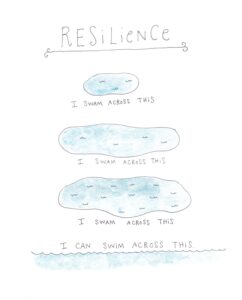
Contemporary Concept of Resilience and Stress Introduction This research has been conducted with respect to the relevance of resilience in managing stress as contemporary society experiences more complicated forms of stressors. Indeed, referring to a process of positive coping with adversity, trauma, or significant stress, stress is defined as the response of the body to outside pressures. Fletcher & Sarkar (2020); González-Torres et al. (2021). Research concentration is on the fact that resilience is not innate and can be developed through interventions as well as environmental exposures (Lee et al., 2020; Wang et al., 2022). In this manner, mastery of stress-regulating mechanisms must be learned in order to survive the modern hectic way of living. Conceptualization of Resilience and Stress Resilience is a process that is fluid, integrating aspects such as emotional regulation, cognitive flexibility, and social support (Poudel & Gautam, 2022; Zhou & Yu, 2020). Stress, on the other hand, is a psychological and physiological response to real or perceived threats. Chronic stress leads to unhealthy outcomes, such as anxiety and depression. It has been well known that high resilience is always associated with low stress levels, and hence it must be some mechanism through which resilience reduces the damage caused by stress (Kim & Park, 2021; Poudel & Gautam, 2022). Role of Resilience in Handling Stress Resilience helps individuals cope with stress more efficiently by providing adaptive coping strategies, such as solving problems and the regulation of emotions. Individuals with elevated resilience are likely to adopt optimistic coping strategies, such as seeking social support, which reduces their perceived level of stress (Smith et al., 2021; Zhou & Yu, 2020). Resilience also enhances cognitive flexibility, in that it provides the individual with the option of changing stressful situations with a more positive explanation of the situation (Rutter et al., 2020; Wang et al., 2022). Another resilience element is emotional regulation, which helps a person cope with the stress process by maintaining psychological stability (Kim & Park, 2021; Smith et al., 2021). Social Support: Buffer for Resilience Against Stress Social support is the most significant resilience factor because it has direct access to any needed emotional and practical resources that help people cope with the stress process. The findings suggest that people who have robust social networks experience more resilient events than others and have limited consequences of stress (Wang et al., 2022; Thompson et al., 2021). Relations that are supportive can lead people to use resilient behaviors such as emotional regulation during stress events (Thompson et al., 2021). Social support is also a kind of resistance to work-related stress and prevents burning out, particularly in stressful professions like healthcare (Li & Zhang, 2020; Bakker et al., 2020). Resilience Training and Interventions There are different types of intervention, including resilience training, whose techniques build up emotional regulation and increase cognitive flexibility, making it easier for a person to face stress. Williams et al. (2021) noted that resilience training decreases stress and fosters mental well-being significantly. Among some of the interventions promising results with their attempt to enhance resilience and reduce stress among individuals, especially for healthcare professionals, are mindfulness-based interventions (Johnson & O’Connor, 2021; Robinson et al., 2020). Within cognitive-behavioral strategies highlighted within resilience training, this can reduce burnout in high-stress jobs (McEwen et al., 2022). COVID-19 Impact on Resilience and Stress The unprecedented stress of the COVID-19 pandemic underlined the role of resilience in maintaining mental health. People with better resilient levels could cope with pandemic-related stress and uncertainty (Sullivan & Ryan, 2021; Lee et al., 2020). Low stress and strong adaptive coping skills such as social support and self-care were also observed in resilient people during the pandemic (Lee et al., 2020; Zhao et al., 2021). Finally, the level of resilience was said to reduce symptoms of anxiety and depression in dealing with a crisis (Zhao et al., 2021; Sullivan & Ryan, 2021). Conclusion Resilience is vital to stress management as it encompasses regulation of emotions, cognitive flexibility, and social support (Fletcher & Sarkar, 2020; Kim & Park, 2021). Stress reduces not only the negative effects of stress on mental health but also improves adaptive coping mechanisms to enhance wellness (Wang et al., 2022; Smith et al., 2021). Resilience training along with mindfulness-based interventions also proved to have a highly positive influence in high-stress conditions on affected individuals, hence reducing stress and burnout prevention (Johnson & O’Connor, 2021; Robinson et al., 2020). Resilience was further stressed on due to the COVID-19 pandemic, which navigates crises while maintaining mental health (Zhao et al., 2021; Lee et al., 2020). References  1. Fletcher, D., & Sarkar, M. (2020). Psychological resilience: A review and critique of definitions, concepts, and theory. European Psychologist, 25(4), 231-243.  2. González-Torres, M., et al. (2021). The role of stress in mental health. Journal of Clinical Psychology, 77(2), 456-467. 3. Poudel, S., & Gautam, A. (2022). Resilience as a predictor of academic success and well-being. Psychology Research and Behavior Management, 15, 231-244. 4. Zhou, Y., & Yu, M. (2020). The role of resilience in managing stress: A systematic review. Stress and Health, 36(3), 207-221. 5. Kim, J., & Park, S. (2021). Resilience in the face of adversity: Stress management in clinical settings. Journal of Mental Health Counseling, 43(1), 42-55. 6. Rutter, M., et al. (2020). Resilience as a process in stress management. Psychological Review, 127(4), 622-638. 7. Smith, J., et al. (2021). Emotional regulation as a mediator in the resilience-stress relationship. Emotion, 21(5), 936-949 8. Bakker, A. B., et al. (2020). Proactive coping and resilience in the workplace. Journal of Occupational Health Psychology, 25(6), 419-433. 9. Wang, X., et al. (2022). Social support and resilience during the COVID-19 pandemic. Journal of Affective Disorders, 296, 21-29. 10. Thompson, R., et al. The role of social support in promoting resilience. Psychology and Aging, 36(1), 48-62. 11. Li, Q., & Zhang, H. The role of resilience in burnout and stress: A study on Chinese workers. Occupational Health Psychology Review, 30(2), 101-118. 12. Dawson, A., et al. University students’ longitudinal academic


Read More »
Health
Bhavya Gupta

Ageing and Loneliness from a Gero-Psychological Lens

by Bhavya Gupta As individuals age, they face different challenges of ageing, especially the deepening of loneliness in their population. This article focuses specifically on the geropsychological viewpoint of ageing and loneliness. Various factors contributing to loneliness were estimated to explain the extent to which people in old age feel socially isolated, based on the different types of loneliness. The different variables for explanation were drawn from socio-emotional selectivity theory and the cognitive perspective on loneliness. Major life transitions, psychological factors like cognition in old age, poor health and lifestyle among the elders are seen as significant contributors. Various intervention strategies such as coping techniques, community-based engagements and technology-driven solutions are presented as mitigation strategies for loneliness. The article aims to focus on views to understand loneliness and the promotion of social participation for the older population. Introduction According to Shukla (2023), ageing can be defined as the progressive deterioration of physiological functions and increased vulnerability to diseases. According to the American Psychological Association (2018), Gero psychology aims to deal with and enhance mental health in the elderly via different psychological services. The challenges of ageing include health, social, and economic factors. The other associated problems are multimorbidities and comorbidities, increased anxiety and depression due to social isolation, caregiving gaps and negative discriminating stereotypes against the elderly (Kovalev, 2022). Researchers like Pascalidis and Bathelt (2024), indicate loneliness as a risk factor for diseases like depression, anxiety and premature mortality. By focusing on the determinants and mitigating factors of loneliness one can inform effective interventions such as tailored support programs that enhance social engagement and self-esteem among the elderly (Satorres et al., 2024; McDaid & Park, 2023). Understanding Loneliness in Old Age Loneliness is an affective and cognitive discomfort or uneasiness caused by being or feeling alone or otherwise solitary (APA, 2018). Old-age loneliness damages well-being, physical and mental health, and mortality rates (Dahlberg et al., 2022). These claims are consistent with a resource-based perspective on loneliness (Tesch-Römer & Huxhold, 2019) and are comparable to the findings of a meta-analysis, which revealed that both income and education are associated with loneliness, with income having the greatest influence (Pinquart & Sörensen, 2003). According to a study by Pikhartova and colleagues (2016), feeling older is associated with increased loneliness suggesting that older adults’ subjective perceptions of loneliness and ageing should be investigated further. Types of Loneliness Based on distinct relational deficits and experiences, loneliness can be divided into three types: Emotional Loneliness. It is caused by the absence of intimate relationships, such as a close friend or partner, resulting in feelings of isolation and longing for connection which further can harm mental health (Barletta, 2022; Jackson, 2024). Social Loneliness. Loneliness in social terms occurs when people feel isolated from their community circles and they lack a sense of belonging and friendships this further is linked to broader societal changes such as individualism and urbanization which further weaken communal bonds (Barletta, 2022; Cyriac, 2022). Existential Loneliness. It is the isolation that stems from realizing one’s inherent aloneness, lack of purpose or connection to something greater in life which is accompanied by feelings of emptiness and meaninglessness (Tilburg, 2021; Schoenmakers & Tromp, 2022). Understanding these types of loneliness is critical when examining the factors that contribute to them in old age. Factors contributing to Loneliness in Old Age According to Socio-emotional selectivity theory (SST; Carstensen et al., 2021), age brings the valuation of emotionally meaningful relationships, and loneliness is a consequence when it subsides in old age. Loneliness in older adults is caused by several key factors, including: Life Transitions: Major transitions in an individual’s life can create a void or feeling of isolation and further loneliness. In old age, retirement and bereavement frequently cause significant changes in social networks, leading to isolation and loneliness (Kim & Chey, 2023). Psychological Factors: Loneliness is further multiplied by failing cognitive skills since elderly people cannot even maintain relationships as they become old (Park et al., 2022; Kulaieva, 2022). Health: Poor health limits senior citizens from participating in specific activities, thereby hindering them from expanding their social lives (Park et al., 2022). Health issues can limit mobility and social participation, further isolating elders (Lee et al., 2024). Other Factors: Other determinants of loneliness among this age group are most of whom live alone. For instance, research indicates that 73.2% of stayers living alone, develop loneliness (Lee et al., 2024). Intervention Strategies Effective coping techniques and intervention strategies including social support systems, technology-based and community-based interventions can help reduce isolation among the elderly. Group-based interventions such as clubs volunteering and community events can reduce loneliness by fostering social interaction and shared experiences (Shekelle et al., 2024; Sivakumar et al., 2024) The elderly are increasingly accessing digitalisation and AI-based interventions due to advancements in technology. Web-based cognitive behavioural therapy (CBT) is designed for the elderly and aims to enhance engagement and efficacy simultaneously. Training seniors to use technology can improve communication with loved ones and reduce loneliness (Dworschak et al., 2024; Shekelle et al., 2024). A multifaceted approach that includes mental health resources, meaningful activities, and supportive environments is required to address loneliness comprehensively (Patil & Braun, 2024; Fakoya et al., 2023). Personalised support services that encourage social participation have proven effective, particularly when they align with the participants’ interests (McDaid & Park, 2023). Conclusion Loneliness in old age remains a complex and multifactorial issue that impacts the mental, emotional and physical well-being of the older generation. As this article highlights, factors such as life transitions, cognitive decline, poor health and lifestyle changes contribute to the deepening of loneliness among the elders. By understanding emotional, social and existential loneliness- geropsychological insights can help address these challenges. Effective intervention strategies offer promising ways to reduce loneliness and improve the quality of life for the ageing population. Moreover, a comprehensive personalized approach that fosters social participation and addresses the unique needs of older adults is essential in mitigating the adverse effects of loneliness among elders. References Antsupov, A., & Kovalev, V.

Read More »